


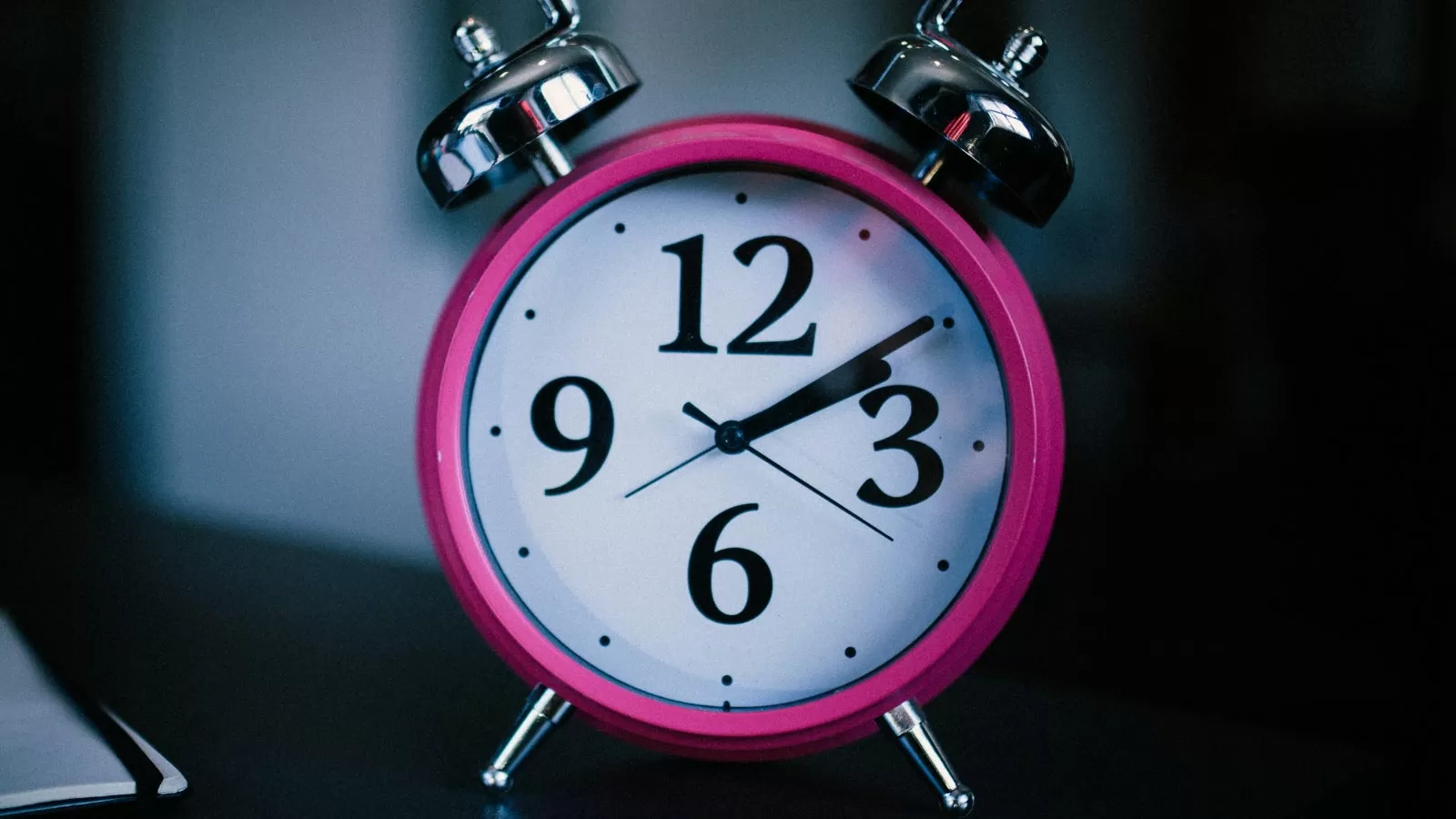
Attention all fellow insomniacs! Brace yourselves, for the clocks are set to go forward this weekend (March 30). Yes, you heard it right, the dreaded Daylight Saving Time is upon us once again. But before you start panicking about losing an hour of precious sleep, take a deep breath and read on.
The change in time has long been linked to increased sleep disturbances, mood changes, and even added risks for things like stroke. But did you know that different age groups handle this adjustment differently? As we gear up for the clocks to go forward, let’s take a look at how each age group can tackle this change in their own unique way.
Gen X, born between the early 1960s to the early 1980s, is reaching a time in their life when sleep becomes an important protector against harmful conditions like diabetes and hypertension. “It protects against stress, depression, and anxiety at a time when life roles are expanding, caring responsibilities increase, and occupational and financial pressures aren’t easing,” says Dr. Tim Mercer, an insomnia specialist who has paired with Mecca Games to survey sleepers.
Dr. Mercer’s specific advice to Gen X is to take great care to minimize the use of alcohol and caffeine around the change of clocks. “Even a small amount of alcohol can disrupt your sleep,” he warns. “Caffeine stops our sleep pressure from building through the day by blocking the action of adenosine.” So, if you’re hoping to fall asleep before midnight, try to avoid caffeine after midday.
Next up, we have the Millennials, born between the early 1980s to the mid-1990s. According to the Mecca survey, this group feels the strongest that they “need a lot of sleep.” But feeling that you need sleep, at a time of sleep deprivation, is a cognitive risk factor for perpetuating sleep problems. In fact, a condition called “orthosomnia,” which is when people’s obsession with the perfect night’s sleep paradoxically keeps them up at night, has been reported by sleep experts.
“We’ve grown up with the internet and searching for answers, but the keys to our sleep when the clocks change are in our biological, natural rhythms, and can’t be min-maxed with a walkthrough guide,” says Dr. Mercer. His advice to Millennials is to not watch the clock, go to bed early “because it’s bedtime,” or go to bed “because you need eight hours of sleep.” Instead, simply get to bed when you’re ready and try not to fret too much about the clock.
Last but not least, we have Gen Z, born between the mid-1990s to the early 2010s. “Your biological clock is set slightly later than the other groups, and this is clear,” writes Dr. Mercer. “Gen Z have the highest proportion of survey answers identifying as night owls.” As a result, members of this age group are “the most disadvantaged on the first morning [after the clock goes forward] – you might have only just fallen asleep when the alarm clock rings!”
But fear not, Gen Z! Dr. Mercer advises you to listen to your body and identify the cues that it gives to tell you it’s time to sleep. “If you’re forgetting what you went into a room for, you’re rubbing your itchy eyes, yawning, or falling asleep on the couch – that’s a good time to get to bed!” he says. So, don’t fight your natural sleep patterns and try to go to bed when your body tells you it’s time.
In conclusion, as the clocks go forward this weekend, let’s remember that each age group has its own unique way of handling this change. So, whether you’re a Gen X, Millennial, or Gen Z, take the advice of Dr. Mercer and listen to your body. And who knows, maybe this year, the clocks going forward won’t be such a nightmare after all. Happy sleeping!
