


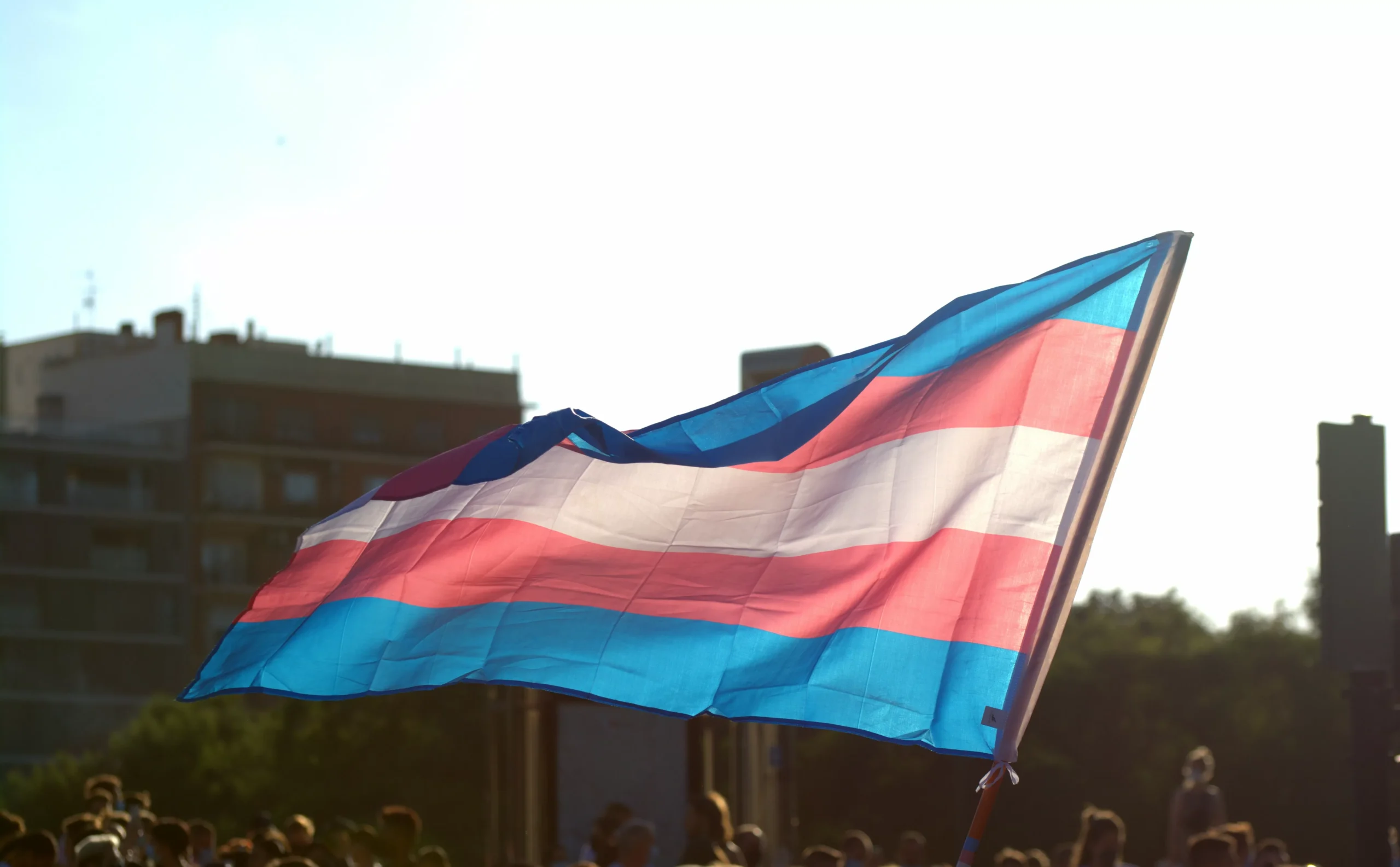
The Transgender Flag: A Symbol of Visibility and Resistance
Mary is a proud mother of her 14-year-old daughter, Annie. Annie is a transgender girl who has found love and acceptance among her friends. For years, she has been living happily as her true self. However, a couple of years ago, Annie and her mother made a decision that would change their lives forever.
Annie, with the support of her mother, decided to pause the physical changes associated with puberty. As a transgender girl, the thought of going through puberty without hormones was unthinkable for Annie. She wanted to express herself authentically and live a life that felt true to her identity. But due to long waiting lists for NHS gender services, they had to access private healthcare, which came with significant costs. Despite the financial burden, Annie’s family knew that they needed to allow her to experience her teenage years feeling happy and healthy.
However, just days before the General Election, the Conservative government introduced a criminal ban on accessing puberty blockers outside the NHS. This decision left trans young people like Annie feeling scared and alone. It felt like the government was telling them that it wasn’t right for them to be who they knew themselves to be.
The ban also had a devastating impact on families like Mary’s. She received a call from the police, asking her to attend the station for an interview because she was supporting her daughter to access gender-affirming healthcare. As a loving and caring mother, Mary was shocked and heartbroken. She had only listened to her daughter and acted in her best interests, yet she was being treated like a criminal.
For many transgender individuals, changing their gender marker on official documents is an important step in their transition. It not only reflects their true identity but also has practical implications, such as ensuring they receive appropriate healthcare. For instance, trans women are at a higher risk of breast cancer if they take hormones. Therefore, it is crucial to respect the autonomy and self-determination of patients, especially for a community that has historically faced invasive and coercive practices by medical science.
In the early gender clinic at Charing Cross Hospital, patients were forcibly sterilized and deemed mentally ill because of their wish to transition. This practice continued until the 1990s, highlighting the long history of discrimination and mistreatment towards the transgender community in the UK.
Recently, Wes Streeting announced his plans to implement the recommendations of the Sullivan Review, a report looking at the collection of data on sex and gender by public bodies. However, the report has been widely criticized for being authored by an advisor to an anti-trans lobbying organization and commissioned by a former Conservative minister who has publicly spoken against “woke” culture. The report proposes stopping trans people from changing their gender on NHS records, which would create further barriers for transgender individuals seeking healthcare. This is especially concerning when 70% of trans people have experienced transphobia from their primary care provider.
As we celebrate Trans Day of Visibility, we are facing an emboldened movement of anti-rights campaigners who wish to deny the existence of trans people. Whether it is denying gender-affirming care to young people or erasing trans people’s gender from NHS databases, they are determined to erase our community from public life.
But we will not let them succeed. As Russell T Davies, the creator of the hit show “It’s a Sin,” recently said, “when LGBTQ+ communities are in peril, we come together, we plot, and sing, and compose, and paint, and make speeches, and march.” In short, we resist.
It is heartening to see that in the face of the growing backlash against trans rights, more and more people want to know how they can support their trans peers. That is why Mermaids, a charity that supports transgender and gender-diverse children, young people, and their families, has launched a new training module for trans inclusion in the workplace. This training aims to equip everyone with the knowledge and confidence to empower trans people.
Moreover, over 1500 people have written to their MPs, demanding a future where trans young people like Annie can access the healthcare they need without having to wait for years or fear being dismissed. In a climate of rising hostility, it is crucial for everyone, no matter where they live or work, to grant trans people acceptance and recognition. In a time where visibility may not always feel safe or even a priority for trans people, it is essential to show support and stand
