
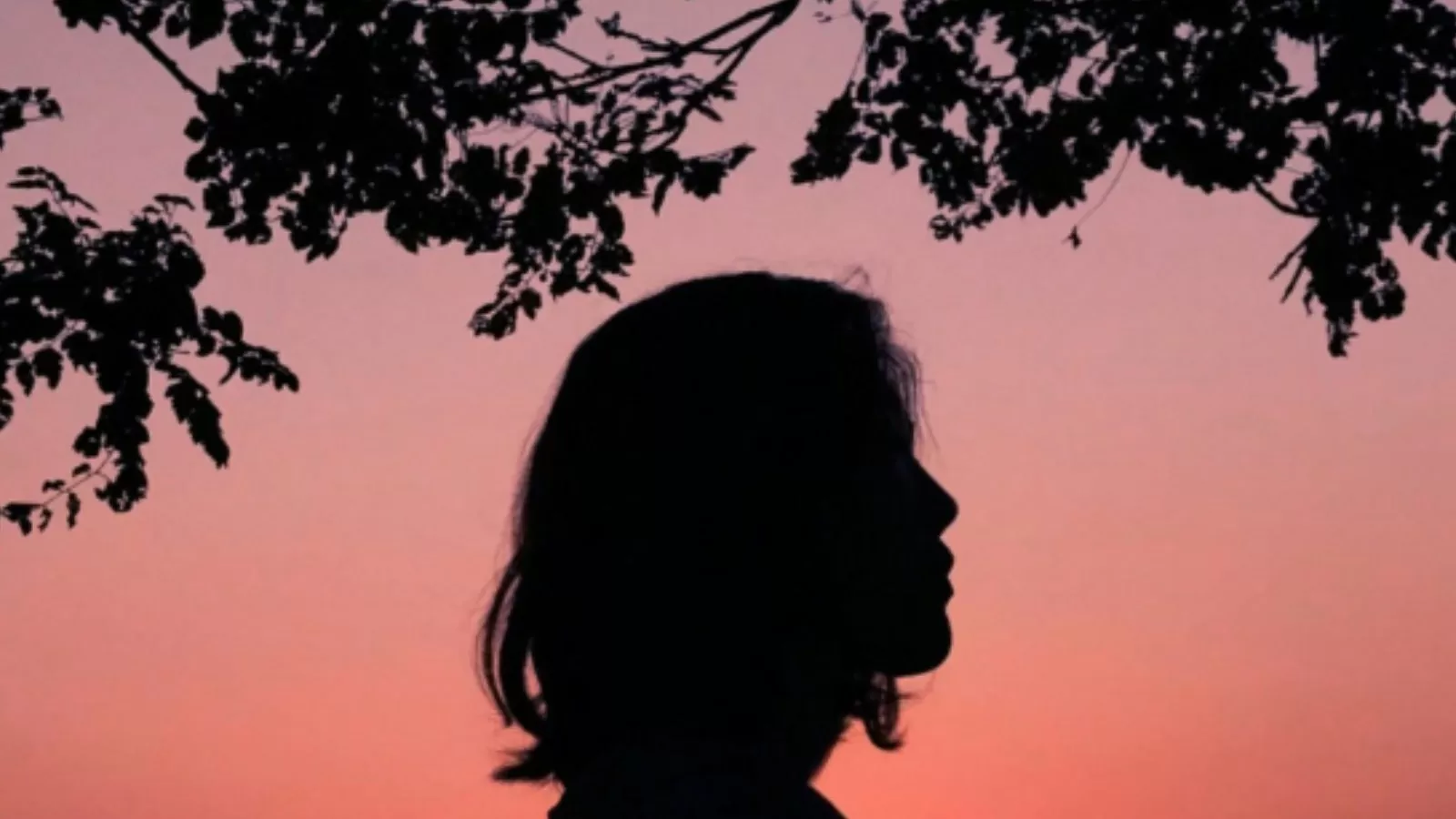
The silhouette of a woman’s face in profile against a pink sky is a beautiful and powerful image. It evokes a sense of mystery and strength, but also vulnerability and grace. It is a fitting representation of the many women who live with autism, a condition that is often misunderstood and overlooked in women and girls.
According to the National Autistic Society, getting an autism diagnosis is crucial for autistic individuals to better understand themselves and receive appropriate care. However, due to stereotypes and misconceptions about what autism looks like and who can have it, many women and girls struggle to get a diagnosis, receive one later in life, or are misdiagnosed with other conditions.
This is because the signs of autism that we are familiar with are often based on how it presents in men and boys. As a result, many autistic women fly under the radar and do not receive the support and understanding they need. To shed light on this issue, we spoke to Dr. Mikki Lee Elembaby Psy.D, a Manhattan-based psychologist from Clarity Therapy NYC who specializes in autism assessment and diagnosis.
Dr. Elembaby explains that for years, autism has primarily been studied and diagnosed based on how it appears in men. This has led to a lack of understanding and recognition of how it presents differently in women. She shares that many autistic women are skilled at masking their struggles, making it difficult for them to be identified as autistic. Instead, they may be misdiagnosed with anxiety, depression, or even personality disorders.
So, how does autism present differently in women? Dr. Elembaby highlights some of the main signs of undiagnosed autism in adult women:
1) Social ‘masking’ and exhaustion: Many autistic women copy social behaviors to fit in, such as mimicking facial expressions, scripting conversations, or forcing eye contact. While this may help them blend in, it takes a toll on their mental and emotional well-being, often leading to deep fatigue and burnout.
2) Overanalyzing social situations: Autistic women may find themselves replaying conversations on loop, stressing over what they said ‘wrong,’ or feeling drained after even small interactions. This can be exhausting and overwhelming, making it difficult for them to navigate social situations.
3) Sensory sensitivities that affect daily life: Loud noises, bright lights, certain clothing textures, or strong smells can be overwhelming for women with autism. They may also have sensory-based food aversions, which can lead to being labeled as ‘picky eaters.’
4) Intense special interests (that fly under the radar): While autistic men may have fixations on numbers, trains, or mechanics, autistic women often develop deep fascinations with literature, psychology, nature, or fictional characters. These interests may not be as obvious as those typically associated with autism, making it harder for women to be identified as autistic.
5) Frequent misdiagnoses: Many autistic women are first diagnosed with anxiety, depression, OCD, or borderline personality disorder before autism is even considered. This can delay their access to appropriate support and understanding.
6) Struggles with boundaries and burnout: Autistic women may be seen as ‘too sensitive’ or struggle with saying no. They may also push themselves to meet social expectations, leading to burnout and a breaking point.
If you suspect that you may be autistic, you are not alone. For many women, the realization only comes in adulthood, often when their child is diagnosed, prompting them to see the same traits in themselves. The NHS advises seeking an autism assessment if you think you may be autistic. This applies to both adults and children, although there may be long waitlists for assessments.
The National Autistic Society has a dedicated page to help adults who suspect they have autism decide whether to seek a diagnosis. They outline the benefits of diagnosis, offer pre-diagnosis questionnaires, and provide information on which supports do or do not require an official diagnosis.
In conclusion, the silhouette of a woman’s face in profile against a pink sky is a powerful representation of the many women who live with autism. It is a reminder that autism presents differently in women and that it is essential to recognize and understand these differences. By raising awareness and understanding, we can ensure that all autistic individuals, regardless of gender, receive the support and understanding they deserve.
