

Today’s world is facing multiple and interconnected crises that are testing the limits of our global institutions. From conflicts and climate breakdown to democratic regression, these challenges are overwhelming the capabilities of international organizations designed to address problems that states are unable or unwilling to solve. And now, with the United States’ withdrawal from global bodies, the crisis in international cooperation is at risk of worsening.
The second Trump administration has wasted no time in announcing its withdrawal from various international organizations, including the World Health Organization, the Paris Climate Agreement, and the United Nations Human Rights Council. This move has sparked concern and criticism from leaders around the world, who fear the consequences of the US’s retreat from global cooperation.
The withdrawal from the World Health Organization, in the midst of a global pandemic, is particularly alarming. The US has been the largest contributor to the WHO, providing crucial funding and expertise in global health initiatives. Without the US’s support, the WHO’s ability to respond to health crises and provide aid to developing countries will be severely hindered. This decision not only puts the lives of millions at risk but also undermines the global effort to combat the COVID-19 pandemic.
Similarly, the US’s withdrawal from the Paris Climate Agreement is a major setback in the fight against climate change. The US is the second-largest emitter of greenhouse gases, and its withdrawal from the agreement sends a message that it is not committed to reducing its carbon footprint. This move not only weakens the global effort to address the climate crisis but also undermines the trust and cooperation among nations.
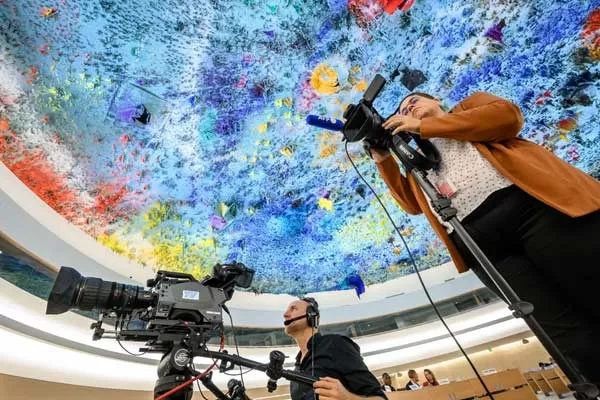
Furthermore, the US’s withdrawal from the United Nations Human Rights Council is a blow to the protection of human rights around the world. The council plays a crucial role in monitoring and addressing human rights violations, and the US’s absence will leave a significant gap in its efforts. This decision also sends a message that the US is not willing to hold itself accountable for its own human rights record.
The withdrawal from these global bodies is a reflection of the current US administration’s “America First” policy, which prioritizes national interests over global cooperation. However, in today’s interconnected world, no country can solve these crises alone. We need strong and effective international institutions to address these challenges and promote peace, justice, and sustainability.
The US’s withdrawal from global bodies is not only detrimental to the international community but also to the US itself. By isolating itself from the global stage, the US is losing its influence and credibility as a global leader. It is also missing out on the opportunity to shape and influence global policies that affect its own interests.
Moreover, the US’s withdrawal from these organizations creates a power vacuum that can be filled by other countries, such as China, who are eager to expand their influence on the global stage. This could lead to a shift in the balance of power and potentially undermine the US’s position as a superpower.
It is crucial for the US to reconsider its decision and re-engage with the international community. The world needs the US’s leadership and cooperation to address the pressing issues we face today. The US has a responsibility to use its power and influence for the greater good, not just for its own interests.
In conclusion, the multiple and connected crises we face today require global solutions and cooperation. The US’s withdrawal from international organizations threatens to worsen the crisis in international cooperation and hinder our ability to address these challenges effectively. It is time for the US to step up and take a leading role in promoting global cooperation and finding solutions to these pressing issues. We must work together as a global community to build a better and more sustainable future for all.
