


Water is essential for life. It sustains us, nourishes us, and connects us to each other and the world around us. Yet, for many of us, water is something we take for granted. We turn on the tap and expect clean, safe water to flow out. We go about our daily lives without giving a second thought to the water that surrounds us.
But for millions of people around the world, water is a constant struggle. It defines their fate, their daily lives, and their future. As individuals who come from Southeast Asia and southern Africa, two regions that face significant water challenges, we have witnessed firsthand how water emergencies can deeply impact communities and nations.
In many parts of the world, floods have become a persistent risk. They are not just a natural disaster, but a man-made one as well. Rapid urbanization, deforestation, and climate change have all contributed to the increase in flooding events. And the consequences are devastating. Millions of people are displaced, homes and livelihoods are destroyed, and economic losses are severe.
In Southeast Asia, countries like Bangladesh, Indonesia, and the Philippines are particularly vulnerable to floods. The region is home to some of the world’s largest river deltas, making it prone to flooding. In 2019, Cyclone Idai hit southern Africa, causing widespread flooding and leaving a trail of destruction in its wake. The impact was felt in Mozambique, Malawi, and Zimbabwe, where thousands of people lost their homes and livelihoods.
But it’s not just floods that pose a threat. Droughts, water scarcity, and water pollution are also significant challenges faced by many communities in Southeast Asia and southern Africa. These issues not only affect access to clean water but also have far-reaching consequences on health, education, and economic development.
In many parts of Southeast Asia, water scarcity is a daily reality. Rapid population growth, urbanization, and industrialization have put a strain on water resources. In Indonesia, for example, the capital city Jakarta is sinking due to excessive groundwater extraction. This has not only led to water shortages but also poses a threat to the city’s infrastructure and the lives of its residents.
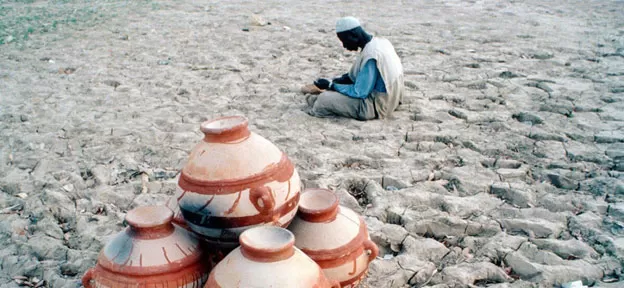
In southern Africa, water scarcity is also a pressing issue. The region is home to some of the world’s driest countries, such as Namibia and Botswana. Climate change has only exacerbated the situation, with prolonged droughts becoming more frequent. This has a significant impact on agriculture, which is the main source of livelihood for many people in the region.
Water pollution is another critical issue that affects both Southeast Asia and southern Africa. In many developing countries, inadequate sanitation and waste management systems lead to the contamination of water sources. This not only affects access to clean water but also poses a severe threat to public health. In Indonesia, for example, the Citarum River, known as one of the most polluted rivers in the world, is a source of drinking water for millions of people.
The water challenges faced by Southeast Asia and southern Africa are complex and interconnected. They require a holistic approach that addresses not just the symptoms but also the root causes. Governments, NGOs, and individuals all have a role to play in finding sustainable solutions to these challenges.
One of the key solutions is investing in water infrastructure. This includes building dams, reservoirs, and irrigation systems to manage water resources effectively. It also involves improving sanitation and waste management systems to prevent water pollution. Governments must prioritize these investments and work towards providing access to clean water for all their citizens.
Education and awareness are also crucial in addressing water challenges. People need to understand the importance of water conservation and the impact of their actions on water resources. This can be achieved through community outreach programs, school education, and media campaigns.
Innovative solutions are also emerging to tackle water challenges. In Indonesia, for example, a startup called Airy has developed a rainwater harvesting system that provides clean water to communities in remote areas. In southern Africa, solar-powered water pumps are being used to provide access to clean water in rural communities.
As individuals, we can also make a difference. Simple actions like conserving water, reducing plastic waste, and supporting organizations that work towards providing clean water can have a significant impact. We must also educate ourselves and others about the water challenges faced by our communities and the world.
Water emergencies are deeply personal to us. We have seen how they can affect the lives of individuals, families, and entire communities. But we have also
