


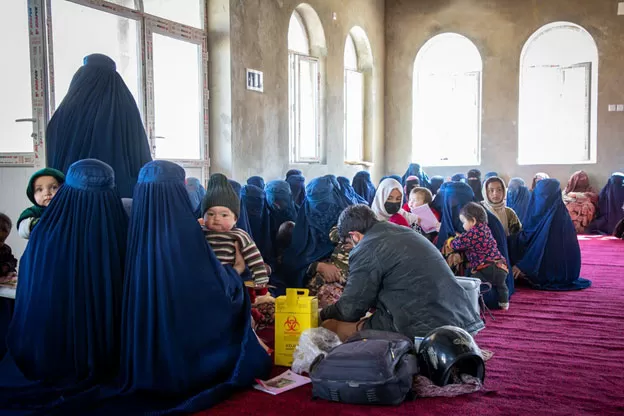
For 2025, the theme of World Health Immunization Week (24-30 April) is “Immunization for All is Humanly Possible”. This powerful statement emphasizes the urgent need to eliminate disparities in access to vaccines, particularly for children. The World Health Organization (WHO) has set a goal to ensure worldwide access to life-saving vaccines by encouraging governments to implement vaccination programs at the local and national levels. This noble cause aims to protect the health and well-being of every individual, regardless of their socio-economic status.
Immunization is one of the most effective and cost-efficient ways to prevent serious diseases and save lives. Yet, millions of children around the world do not have access to the vaccines they need. This results in preventable deaths and disabilities, which not only affect the individual but also their families and communities. The sad reality is that these disparities exist due to issues such as poverty, conflict, and lack of resources and infrastructure.
As we approach 2025, the WHO is calling upon governments to take responsibility and make the necessary investments to ensure that every child has access to life-saving vaccines. This includes developing sustainable immunization programs, increasing funding for vaccines, and strengthening supply chains to ensure vaccines reach even the most remote areas.
Governments also need to address the underlying issues that hinder access to vaccines. This includes poverty, which is often the root cause of many health inequalities. By implementing poverty reduction strategies, governments can improve the overall health and well-being of their citizens, including access to vaccines.
At the same time, it is crucial for governments to work with communities and involve them in the decision-making process. Communities that are informed and engaged are more likely to accept and participate in vaccination programs. This can be achieved through community outreach programs, education campaigns, and involving local leaders and health workers.
The theme of “Immunization for All is Humanly Possible” also highlights the importance of continuous research and development in the field of vaccines. The WHO is committed to supporting research and innovation to improve the effectiveness and accessibility of vaccines. This includes developing new vaccines for diseases that currently have no vaccine, as well as improving the delivery and storage of existing vaccines.
Furthermore, the WHO is also working towards increasing global cooperation and collaboration to address the issue of vaccine disparities. This includes partnering with organizations, businesses, and other stakeholders to advocate for vaccine access and address the underlying causes of disparities.
We must also recognize the role of individuals in ensuring immunization for all. As responsible global citizens, we can support the WHO’s efforts by educating ourselves and our communities about the importance of vaccines, advocating for increased access, and supporting organizations that work towards this cause.
In conclusion, “Immunization for All is Humanly Possible” is not just a theme but a call to action. It is a reminder that we have the means and the capability to ensure that every child has access to life-saving vaccines. By working together, governments, communities, and individuals can make a significant impact and change the future for the better. As we approach 2025, let us join hands and make immunization a reality for all.
