


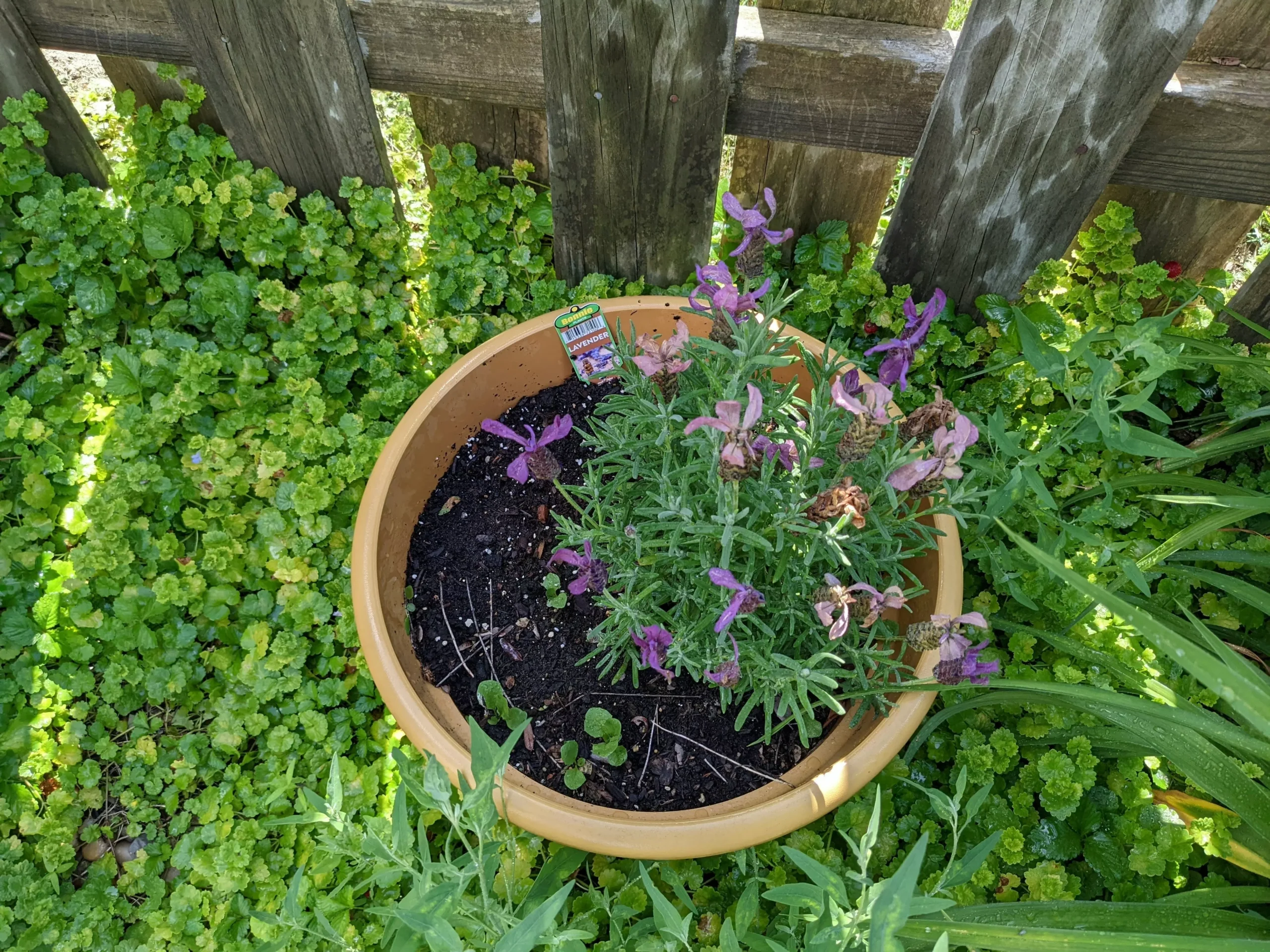
As the summer heat continues to beat down on the UK, gardeners are facing the challenge of keeping their plants hydrated and healthy. While most of us are aware of the importance of watering our lawns during dry spells, it’s easy to forget about our potted plants. However, these small but mighty plants are just as vulnerable to dehydration and require special attention during heatwaves.
The first sign of dehydration in potted plants is often wilting leaves. This is a clear indication that the plant is not getting enough water and is struggling to survive. But there are other, less obvious signs that can help you determine if your potted plants are in need of a drink.
According to the Royal Horticultural Society (RHS), one of the easiest ways to check for dehydrated soil is to pick up your potted plants. Dry soil is lighter and more powdery than hydrated soil, so if your plants feel lighter than usual, it’s a sign that they need to be watered. This is especially useful for larger plants that are too heavy to lift, as it allows you to gauge their hydration levels without having to move them.
Another helpful tip from the RHS is to gently lift the pot after watering to see if it feels heavy. If it doesn’t, add a little more water. Over time, you will become familiar with how light the pots feel when they are in need of water. This simple test is a great way to ensure that your potted plants are getting the right amount of hydration.
It’s important to note that there is no one-size-fits-all rule for watering potted plants. Each plant has different needs, and factors such as the type of pot, the size of the plant, and the weather conditions can all affect how often you need to water. For example, a small plant in a terracotta pot will need more frequent watering than a larger plant in a plastic pot.
Gardeners’ World recommends directing the water to the soil rather than the leaves when watering potted plants. This ensures that the water reaches the plant’s root system, where it is needed most. If you see water dripping out of the holes at the bottom of the pot, it’s a sign that you have watered the plant enough.
For potted plants that have completely dried out, submerging the pot in a bucket of water can help with deep rehydration. This is especially useful for free-standing containers that are difficult to water from the top.
It’s also important to keep an eye on the surface of the soil. While it may look dry, this doesn’t necessarily mean that the plant needs to be watered. Plants can only use the water available to their roots, so it’s important to check the weight of the pot and the soil moisture before watering.
In addition to regular watering, there are other steps you can take to help your potted plants survive the summer heat. Placing them in a shaded area or using a shade cloth can help protect them from direct sunlight. You can also add a layer of mulch to the top of the soil to help retain moisture.
In extreme heat, it’s important to check your potted plants daily for signs of dehydration. If you notice that they are becoming lighter in weight or are blowing over in the wind, it’s a clear indication that they need to be watered more often. By paying attention to these signs and following the tips mentioned above, you can ensure that your potted plants stay healthy and hydrated throughout the summer.
In conclusion, potted plants are just as vulnerable to dehydration as our lawns and other outdoor plants. It’s important to regularly check their hydration levels and water them accordingly. By using simple tests and following the advice of experts, you can keep your potted plants thriving even during the hottest days of summer. So don’t forget to give your potted plants some extra love and attention during heatwaves – they will thank you with beautiful, healthy foliage. Happy gardening!
