
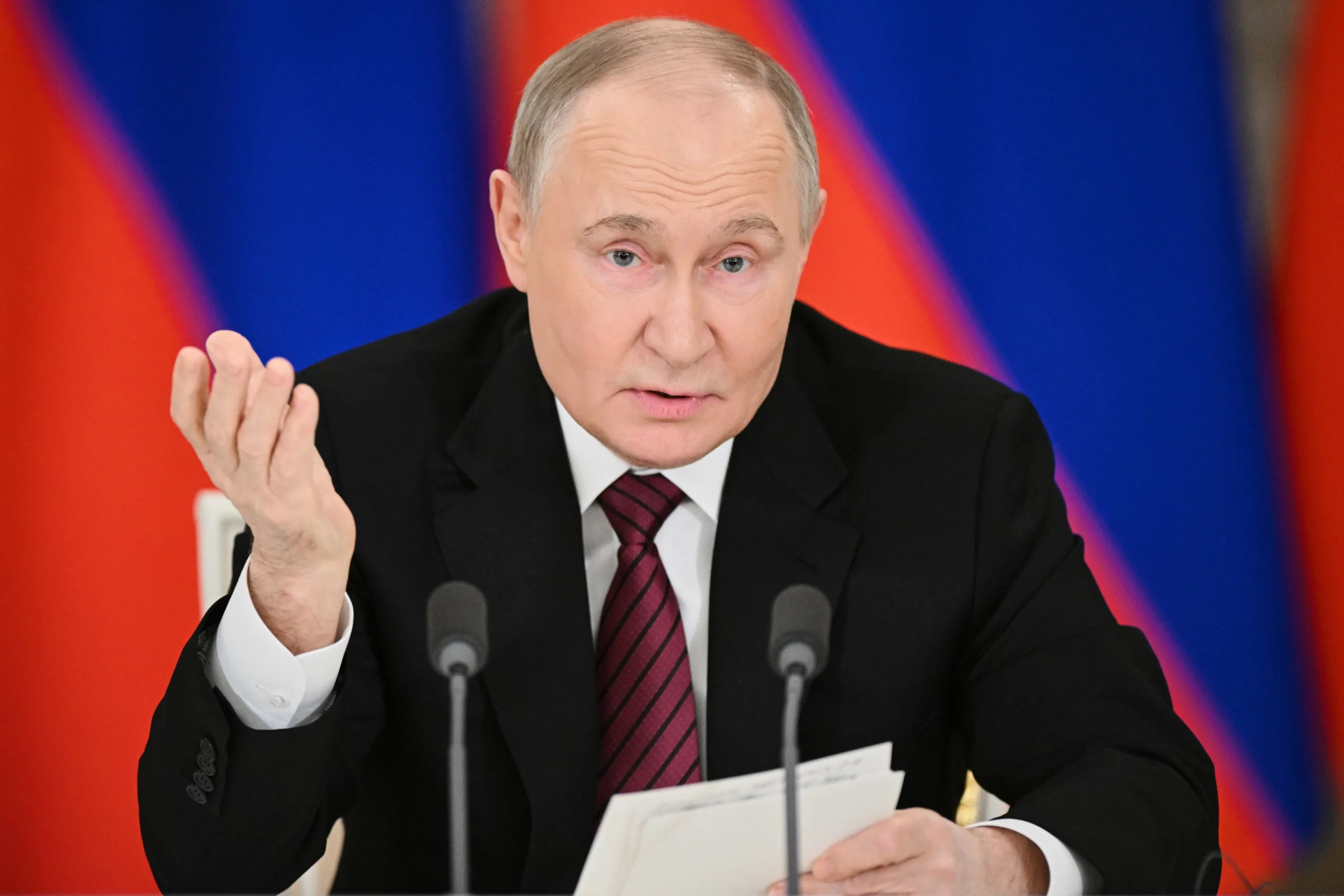
Russian President Vladimir Putin has made a surprising move by offering to start peace talks with Ukraine, after facing renewed pressure from Kyiv’s western allies. This gesture, made during a press conference at the Kremlin on Sunday, May 11, 2025, has raised hopes for an end to the ongoing conflict between the two nations. However, many are questioning the sincerity of Putin’s offer and whether it is just another manipulation tactic from the Kremlin.
What has Putin said?
During the press conference, Putin announced that he is proposing direct talks with Ukraine on May 15 in Turkey. He stated, “We are proposing that Kyiv resume direct negotiations without any preconditions. We offer the Kyiv authorities to resume negotiations already on Thursday, in Istanbul.” This is a significant shift in Putin’s stance, as he has previously refused to agree to any lengthy truce.
Despite being the one who started the conflict by invading Ukraine in February 2022, Putin has now called for talks to focus on the “root causes” of the war. The Kremlin has repeatedly claimed that Russia was provoked into the conflict, citing NATO’s expansion since the fall of the Berlin Wall. However, Ukraine and its allies see it as an imperialistic land grab.
In a dig at the West, Putin also stated, “The decision is now up to the Ukrainian authorities and their curators, who are guided, it seems, by their personal political ambitions, and not by the interests of their peoples.” This statement reflects the tension between Russia and the West, as the two sides have been at odds over the conflict in Ukraine.
While Putin has insisted that Russia no longer needs preconditions for talks, the Kremlin has already stated that Western arms going to Ukraine would need to stop during any ceasefire. Kremlin spokesman Dmitry Peskov claimed, “Ukraine will use this period to train new military personnel and to give a rest to their existing ones. So why should we grant such an advantage to Ukraine?”
What’s changed?
This sudden change in Putin’s stance comes after European leaders, including British Prime Minister Keir Starmer, met in Ukraine over the weekend and threatened to impose “massive” new sanctions on Russia if Putin did not agree to a 30-day unconditional ceasefire by Monday. This pressure from the West may have forced Putin to show that he is willing to end the conflict, especially as his relationship with US President Donald Trump is starting to strain.
Despite dismissing these “boorish” demands as “ultimatums”, Putin may have felt compelled to make a move towards peace. He has been dragging his heels and offering very few concessions, despite Trump’s push for a quick resolution to the war. Previous attempts at ceasefires by Russia have been short-lived, with promises to stop attacking energy infrastructure, a brief Easter ceasefire in April, and a three-day pause this week during the 80th anniversary of World War 2 all failing.
Ukraine has called these attempts at a ceasefire a “farce” and manipulation from Moscow. Despite these failures, the White House seemed willing to end the conflict on Putin’s terms and even considered handing over occupied Ukrainian land to Russia in the name of peace. However, Putin has continued to play for time, and Trump has recently expressed more frustration with the Russian president, despite his previous sympathetic stance.
After Trump accused Putin of “tapping me along”, the Kremlin spokesperson denied this and stated, “President Putin is doing whatever is possible to solve the problem, to achieve a settlement through peaceful and diplomatic means. But having no peaceful and diplomatic means at hand, we have to continue the military operation.” This statement raises the question of whether Putin is truly committed to finding a peaceful resolution to the conflict.
What does Russia want?
It is likely that Putin wants to retain as much of Ukraine as possible, as Russia currently holds a fifth of the country. He may try to neutralize Ukraine by removing its military presence. Last June, Putin stated that Ukraine should drop its NATO ambitions and called for it to pull all of its troops out of occupied areas to end the war. Russian officials have also suggested that the US recognize Russia’s control over parts of Ukraine and have called for Ukraine to remain neutral, although this does not mean it cannot join the EU.
Putin has also mentioned a draft deal from 2022, which was negotiated after his initial invasion of Ukraine. This deal sees Ukraine agreeing to permanent neutrality in exchange for international security guarantees from the UK, China, France,
