


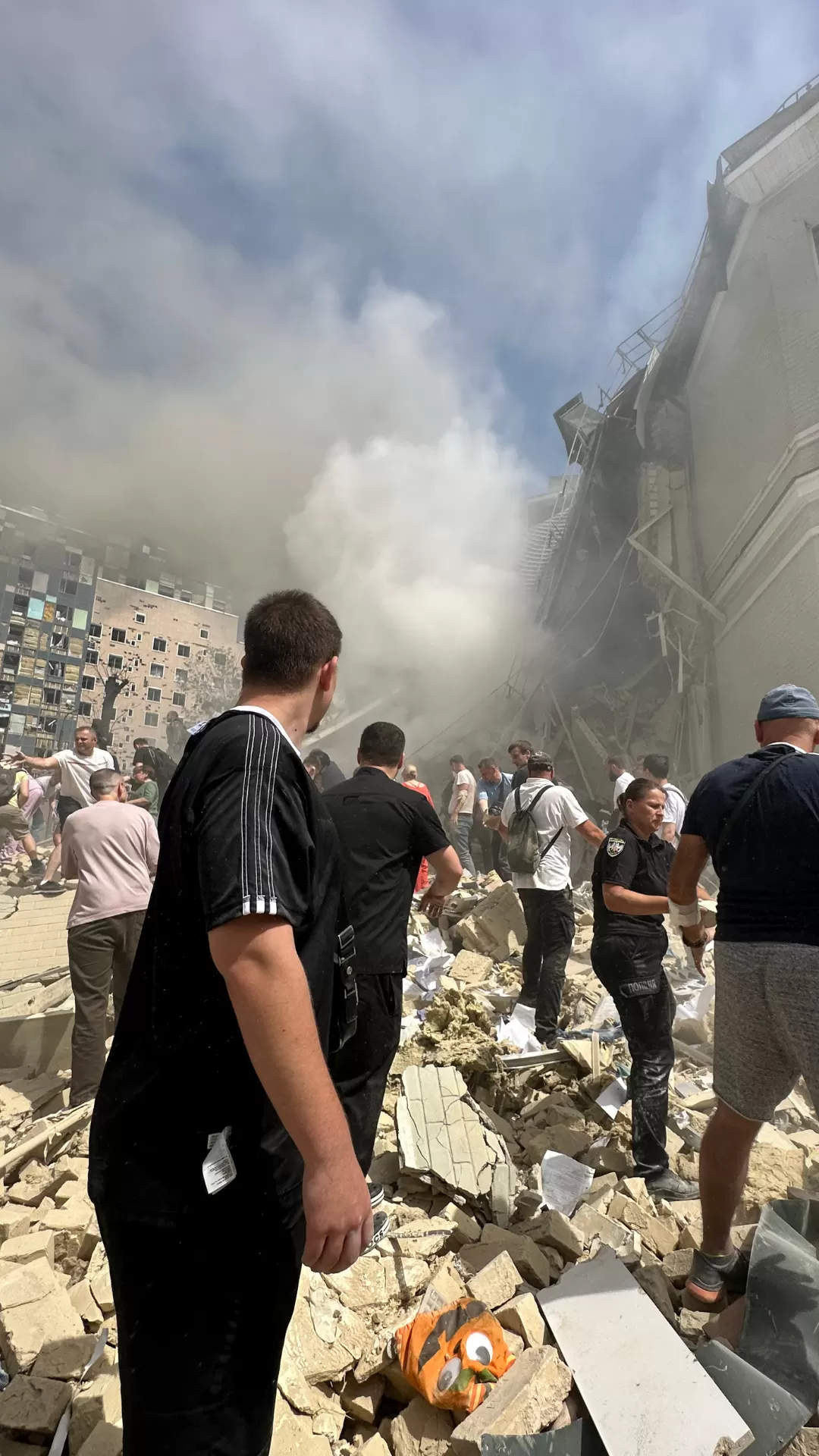
The international community has a responsibility to uphold international humanitarian law and protect the lives of innocent civilians, especially in times of war. This call to action has been echoed by healthcare and rights advocates as they highlight the alarming increase in attacks on healthcare in war zones. According to a new report released by the Safeguarding Health in Conflict Coalition (SHCC) on May 19, there were more than 3,600 attacks on doctors and health care workers last year, reaching a record high.
These attacks not only endanger the lives of healthcare workers, but also deprive civilians of much-needed medical assistance in the midst of conflict. The SHCC report documented attacks on hospitals, clinics, and ambulances, as well as the kidnapping and killing of healthcare workers. This not only violates international humanitarian law, but also goes against the basic principles of humanity and compassion.
The SHCC report also highlighted the devastating impact of these attacks on the already fragile healthcare systems in conflict-affected areas. In many cases, these attacks have forced healthcare facilities to shut down, leaving thousands of people without access to essential medical care. This is a grave violation of the right to health, which is a fundamental human right.
It is imperative that the international community takes immediate action to address this issue and ensure the protection of healthcare workers and facilities in conflict zones. This includes holding perpetrators accountable for their actions and providing support and resources to strengthen healthcare systems in these areas.
One of the key steps that must be taken is to raise awareness about the importance of upholding international humanitarian law and protecting healthcare in conflict zones. This can be done through education and training programs for military personnel, as well as through public campaigns to raise awareness among the general population.
Furthermore, it is crucial for governments and armed groups to respect and abide by international humanitarian law, which prohibits attacks on healthcare facilities and personnel. This includes refraining from using healthcare facilities for military purposes and allowing unhindered access for humanitarian aid and medical assistance.
The international community must also provide support and resources to strengthen healthcare systems in conflict-affected areas. This includes providing funding for the reconstruction and rehabilitation of damaged healthcare facilities, as well as training and equipping healthcare workers to provide essential medical care in dangerous and challenging environments.
In addition, it is essential for the international community to work together to ensure the safe passage of medical personnel and supplies in conflict zones. This can be achieved through the establishment of safe corridors and the deployment of international peacekeeping forces to protect healthcare facilities and personnel.
The SHCC report also highlighted the need for better data collection and reporting on attacks on healthcare in conflict zones. This will not only help to raise awareness about the issue, but also provide evidence for holding perpetrators accountable and advocating for stronger protection measures.
In conclusion, the international community must take urgent and decisive action to uphold international humanitarian law and protect healthcare in conflict zones. The attacks on healthcare workers and facilities are not only a violation of international law, but also a violation of the basic principles of humanity. It is time for the international community to come together and ensure that the right to health is respected and protected for all, even in the midst of war. Let us not forget that healthcare workers are on the frontlines, risking their lives to save others. It is our duty to ensure their safety and the safety of those in need of medical assistance.
