


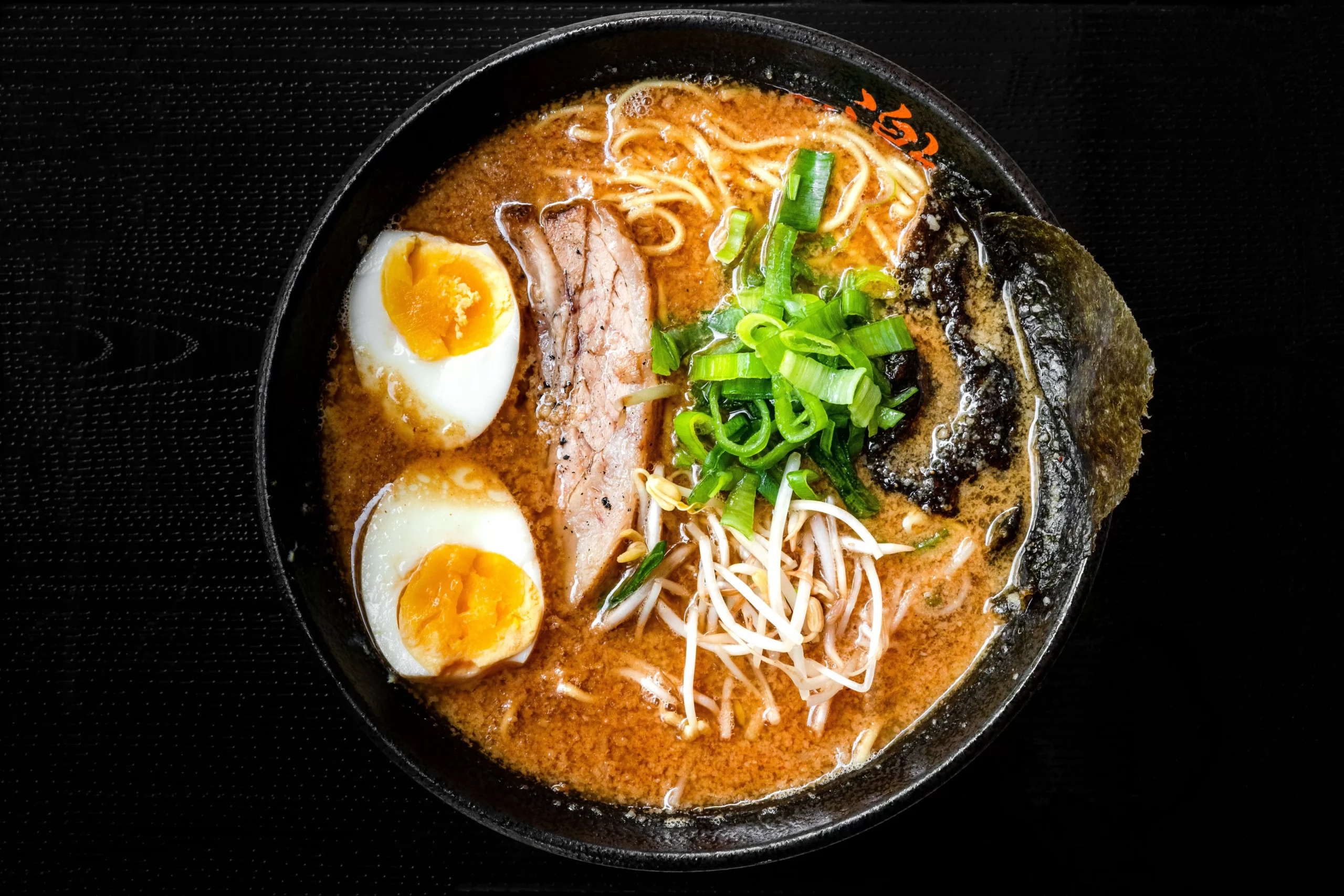
Ramen has been taking the world by storm, with its popularity transcending cultures and adapting to various forms. From birria ramen to other fusion dishes, this Japanese comfort food has become a trendy and mercurial darling among food enthusiasts. But how far is too far when it comes to experimenting with ramen? What is the best way to eat it, both practically and culturally? And what makes restaurant ramen stand out from the instant noodles we grew up with?
To get some expert insights on these questions and more, we spoke to four ramen chefs and experts. Here are six things they want you to know that will help you appreciate, eat, and order ramen better.
1. The Broth is Everything
While the noodles may seem like the star of the show, ramen masters will tell you that the broth is the true key to a great bowl of ramen. “It’s a very time-consuming process to make good broth,” says Sean Park, executive chef and partner at Okiboru Tsukemen & Ramen, a Michelin Bib Gourmand-listed brand with locations in Atlanta and New York. Tomo Takahashi, CEO and founder of Jinya Ramen Bar, which has locations across the U.S. and in Canada, adds that they simmer their broths for 20 hours to bring out the depth of flavor.
With this level of commitment, many home cooks may be tempted to take shortcuts by using prepackaged broths or flavor packets. However, Junzo Miyajima, executive chef and partner of the largest ramen chain in the U.S., Kyuramen, advises against it. “Relying solely on flavor packets, which are often just salt and artificial flavor, and microwaving everything is one of the biggest mistakes home cooks make,” he says. Instead, Miyajima recommends letting the experts make the broth for you or ordering it to go from your local ramen spot.
If you’re feeling adventurous and want to make your own broth, Christina Brehm, the senior manager of innovation and insights at Lotus Foods, suggests starting with your nose. “Sauté aromatics like ginger, garlic, or chili crisp, and patiently wait until the aroma hits your nostrils before adding liquid ingredients like miso paste or bone broth,” she says. This helps to open up the flavors and create a robust broth.
When it comes to choosing a style of ramen, Miyajima suggests going for shoyu or original salt ramen if you prefer a lighter flavor. But if you like intense flavors, he recommends trying miso or spicy ramen. And no matter which style you choose, make sure to finish every last drop of broth. It’s a sign of appreciation to the chef, who has put so much time and effort into making it.
2. Don’t Rush the Noodles
Cooking the noodles may seem like a simple task, but it’s also one of the most common mistakes home cooks make. Brehm emphasizes the importance of following the package directions for cooking time. Different brands and types of ramen may require different cooking times. For example, Lotus Foods makes rice ramen as a gluten-free alternative, which cooks much faster than traditional wheat-based ramen.
If you’re cooking the noodles directly in the broth instead of straining them first, Takahashi recommends undercooking them a little bit. “They will continue to soften in the hot broth while it cools down,” he says. And make sure not to microwave the noodles, as this can make them gummy and sticky.
Miyajima also suggests cooking the noodles separately in clear water to avoid changing the taste and texture of the broth. “Make sure you drain the water well before adding them to the soup to avoid diluting it,” he says.
3. Keep the Ramen Hot
One of the cardinal rules of eating ramen is to make sure the broth is piping hot and enjoy it immediately. This means avoiding leaving the table after it’s served or taking too many photos. “Every element in a bowl of ramen noodle soup is susceptible to chemical changes from temperature shifts and sensitive to passing time,” explains Miyajima. “A single quick photo is fine, but take too long, and the noodles will get soggy and cold.”
Takahashi adds that if you wait too long, you may notice the separation of oil in the bowl, the broth
