


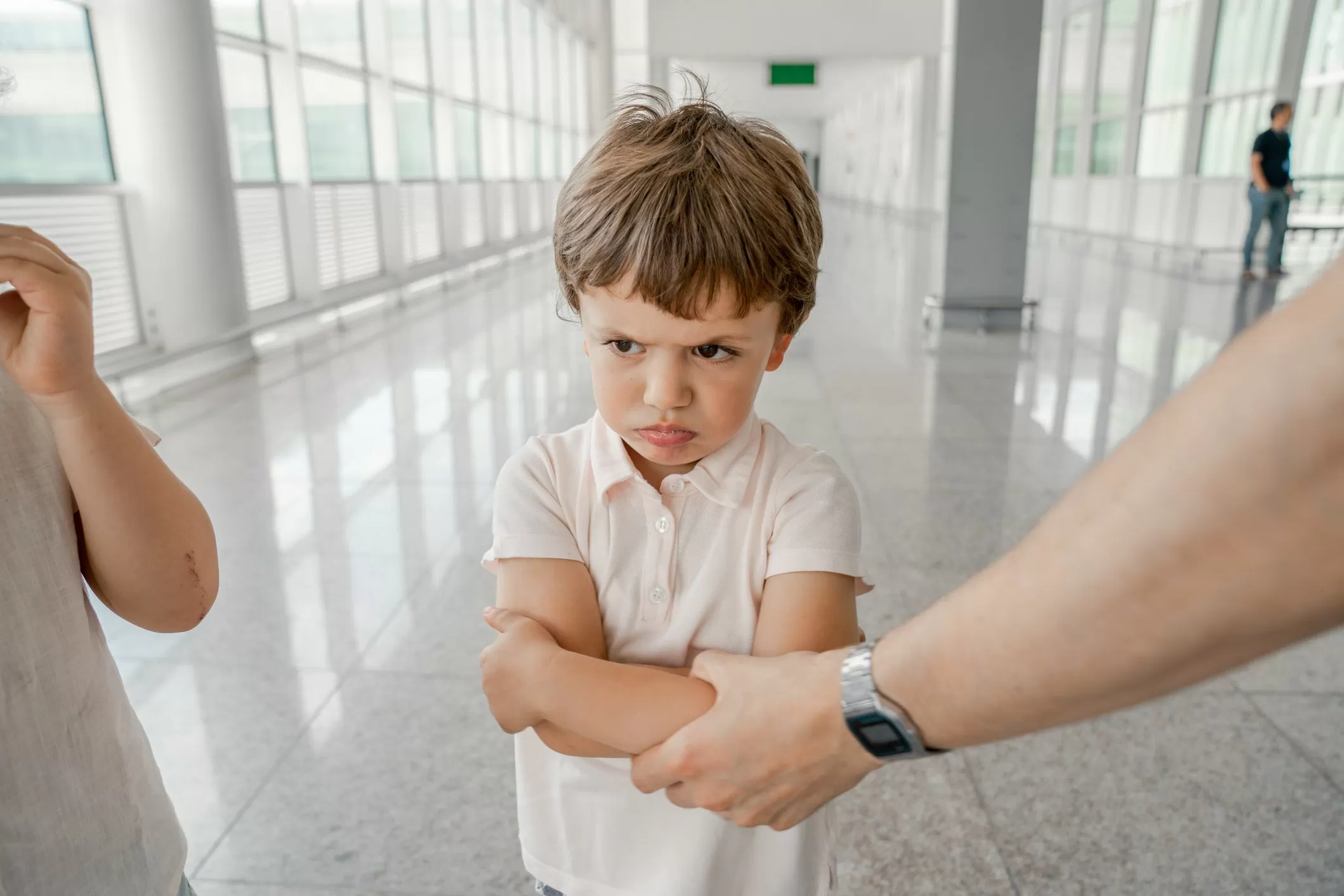
Tantrums are a normal part of development and can be a tough part of parenting. It’s not easy when your child starts to lash out at you, but it’s important to remember that these emotional outbursts are completely normal and a part of your child’s growth and development.
Recently, a parent shared their experience on Reddit, admitting to “slapping” their six-year-old during a tantrum. The parent was calm and trying to calm their child down, but when the child started hitting and biting, the parent lost control and hit their child’s face. The parent felt guilty and like the “most horrible person on earth.”
This story resonates with many parents who have experienced similar situations. It can be distressing to be screamed at, hit, and kicked by your own child, especially as they get bigger and stronger. But it’s important to understand that these tantrums are a normal part of a child’s development and can be managed with the right approach.
So, what exactly is a tantrum? Tantrums are common in children who are unable to express their anger and frustration verbally. They usually occur between the ages of one and four, although they can happen at any age. According to therapist and former school counsellor Heidi Soholt, the toddler stage is the most common time for tantrum behaviours. This is because toddlers are at a stage of neurological development where they want to explore, but lack the ability to understand consequences or basic safety. They also have little capacity for self-regulation, which means they can feel all the emotions but lack a volume control.
Amanda Macdonald, a therapist who works with children, explains that when a child hits, bites, or kicks, they are not being “bad” or “naughty.” Instead, they are simply out of control of their emotional response to something that is troubling them. This could be due to a number of factors, such as their sensory profile, additional difficulties in their lives, or their own temperament.
It’s important for parents to keep an eye on tantrum triggers. Look for patterns and try to identify any specific times when tantrums are more likely to occur. This could be linked to hunger, tiredness, or illness. For example, returning home from school or nursery can be a trigger point for many children. As Macdonald explains, children spend a large chunk of their day being told what to do and where to go, and this can lead to overload and outbursts of anger.
Other triggers could include discomfort from clothing, such as a school uniform, or an overwhelming sensory environment. Some children may also experience more tantrums when they are going through difficult situations, such as loss or divorce. In these cases, their ability to regulate their emotions may be challenged, and they may need extra support.
But is there a point where a child’s tantrums need outside intervention? The answer is yes. According to the Cleveland Clinic, violent tantrums that last longer than 15 minutes could be a sign of a more serious problem. Macdonald suggests that if a child’s rage or anger is happening regularly and impacting their life or their parent’s ability to manage, then seeking professional support could be beneficial.
Soholt also advises parents to visit their GP to rule out any physical causes for the tantrums, such as infections. If there are no medical issues, then it may be helpful to seek therapeutic support for the child or consider a referral for a psychological assessment. Sometimes, a child’s anger may be a sign of underlying neurodivergence, such as autism or ADHD, and it’s important to get a proper diagnosis and appropriate support.
Child and adolescent psychotherapist Alison Roy reminds us that children who have a temper are often healthier than those who have shut down completely and don’t speak or challenge at all. This is because they are expressing their emotions, even though it may be in an extreme way. However, if a child’s distress is ongoing and affecting their life or their family’s well-being, then it may be time to seek professional support.
So, what can parents do when their child gets angry? The first step is to try and stay calm and as close to your child as is safe. Remember that when a child is angry, the rational and logical part of their brain essentially goes “offline,” and it’s not helpful to try and reason with them. Instead, wait for the anger to pass and let your child
