


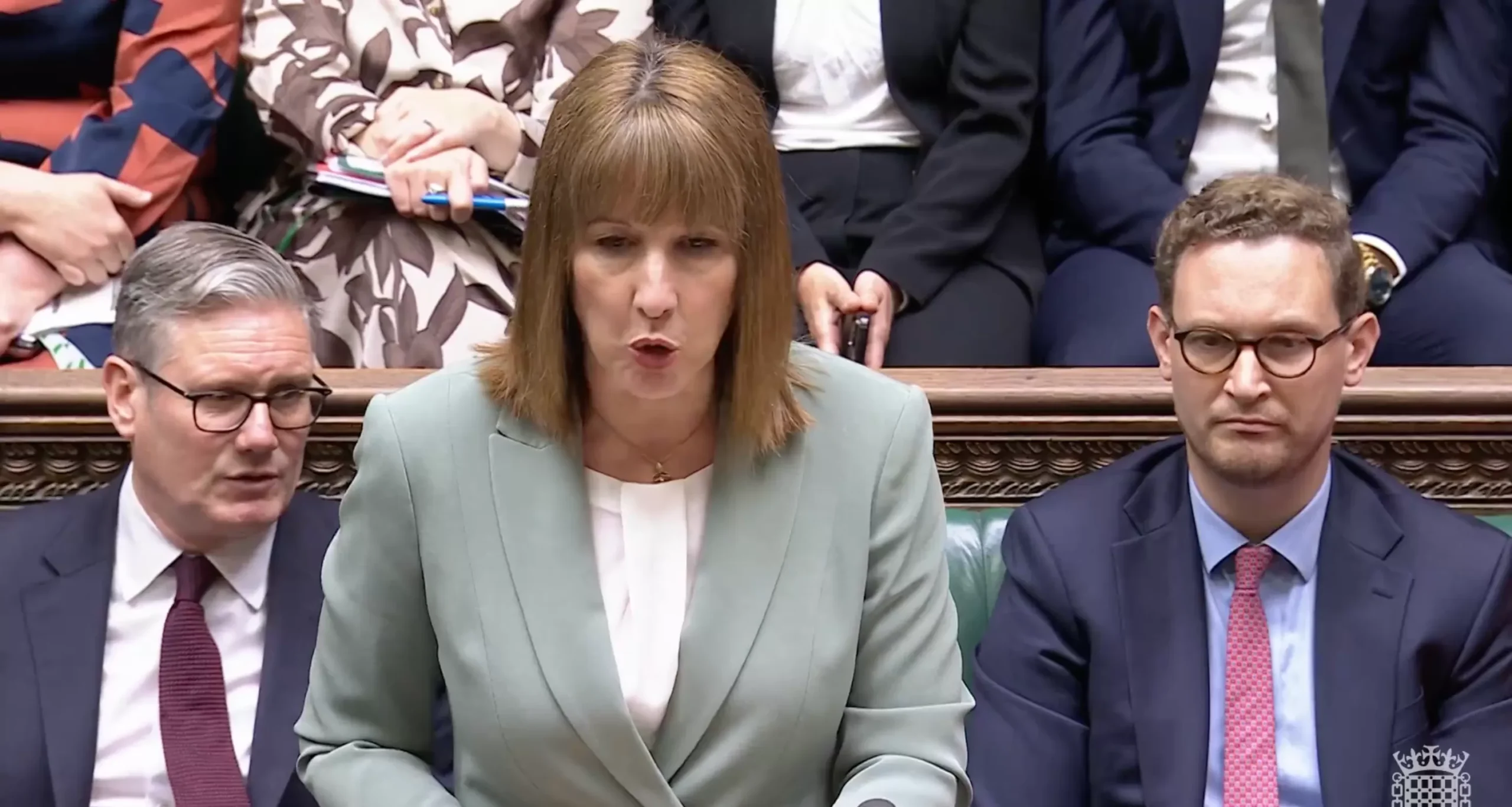
Chancellor Rachel Reeves has just unveiled the government’s ambitious spending plans for the next three years. This marks the first multi-year spending review for the UK since 2021, and it is set to bring about major changes and investments in various sectors.
Speaking in the House of Commons today, Reeves outlined the budgets of government departments and also shed light on the capital projects that will be undertaken until 2030. In her statement, she emphasized the government’s commitment to renewing Britain and acknowledged that there are still many parts of the country that have yet to feel the positive impact of these changes.
Unlike an annual budget, this spending review did not reveal any tax changes or borrowing plans. Instead, Reeves pledged to reject austerity and announced a 2.3% increase in total departmental spending, which is above inflation, per year.
So where exactly is all this money going? Let’s take a closer look at the key areas that will see a significant boost in funding.
1. Major investment in the NHS
The government has allocated a record amount of cash for the National Health Service (NHS), with a 3% annual increase in day-to-day spending for the next three years after accounting for inflation. This translates to an additional £29 billion per year for the day-to-day running of the health service.
Reeves also highlighted the Labour party’s support for the NHS by announcing a nearly 50% increase in the technology budget. This investment will help bring the health system into the digital age, including the implementation of the NHS app.
Moreover, the government has committed £10 billion to modernize the NHS, which includes digitizing the analog system and introducing new technologies such as the NHS app. This will not only improve the efficiency of the health service but also make it more accessible and convenient for patients.
2. Ending the use of asylum hotels by 2029
In line with a Labour manifesto pledge, Reeves has promised to put an end to the practice of housing asylum seekers in British hotels at the expense of taxpayers. This move will not only save money but also ensure that asylum seekers are provided with better and more suitable accommodation.
The chancellor also announced additional funding of up to £280 million per year for the new Border Security Command, which is aimed at tackling the issue of small boat crossings.
3. Boost in defense spending
The Ministry of Defence’s day-to-day budget will see a 0.7% increase in real terms, which amounts to an extra £11 billion. The overall defense budget will also see a significant boost, with plans to increase it from 2.3% to 2.6% of GDP by April 2027.
Reeves also mentioned that this budget will include funds for Britain’s intelligence agencies. The government’s long-term goal is to increase defense spending to 3% of GDP by 2034, although a specific date has not been set. This increase in defense spending comes after the government announced cuts to the overseas aid budget in February to fund this uplift.
4. Investment in social and affordable housing
The government has set aside £39 billion for social housing in England between 2026 and 2036, which amounts to an average of £3.9 billion per year. This is a significant increase from the current allocation of £2.3 billion per year.
In addition, Reeves also announced a £15.6 billion investment between 2027 and 2031 for transport projects in English city regions outside of the capital. This will help improve transportation infrastructure and connectivity, making it easier for people to travel within and between cities.
5. Extension of the £3 bus fare cap
The Labour party’s £3 bus fare cap will be extended until at least March 2027. This comes after the party extended the Conservative government’s £2 cap on bus fares until the end of 2025, while also raising it to £3.
6. Boost for schools
Reeves announced that free school meals will be extended to an additional 500,000 children whose parents are on benefits. This will cost around £1 billion up to 2029 and is a crucial step towards tackling child poverty.
Teachers will also see an increase in their salaries, with an extra £615 million allocated this year to partially fund a 4% pay rise in England. The government has also pledged to invest nearly £2.3 billion per year to improve the condition of schools and rebuild 500 schools
