


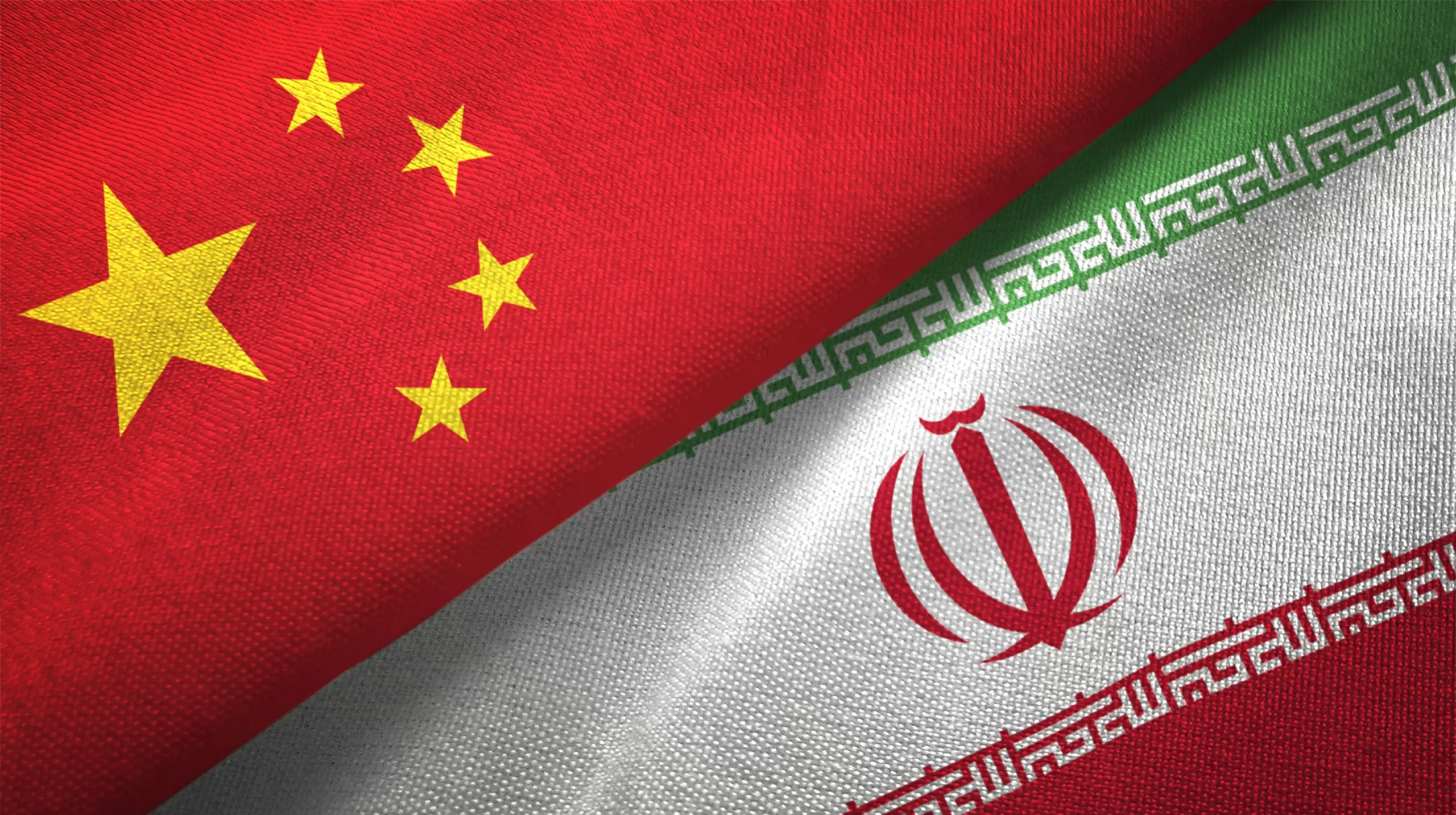
China has long been a key player in the Middle East, with a significant presence in the region. As the tensions between Israel and Iran continue to escalate, China’s approach and stakes in the conflict have become a topic of interest. In this article, we will take a closer look at China’s stance and involvement in the Israel-Iran war.
First and foremost, it is important to understand that China has a strong economic relationship with both Israel and Iran. China is the largest trading partner of both countries, with bilateral trade reaching billions of dollars annually. This economic tie has allowed China to maintain a good relationship with both nations, despite their ongoing conflict.
China’s approach to the Israel-Iran war can be described as one of neutrality and non-interference. China has consistently maintained that it does not take sides in the conflict and supports a peaceful resolution through dialogue and negotiations. This stance is in line with China’s foreign policy of non-interference in the internal affairs of other countries.
However, China does have a vested interest in the stability of the Middle East, as it is a major importer of oil from the region. Any disruption in the oil supply could have a significant impact on China’s economy. Therefore, China has a strong incentive to see the conflict between Israel and Iran resolved peacefully.
China has also been actively involved in diplomatic efforts to ease tensions between the two countries. In 2019, China hosted a trilateral meeting with the foreign ministers of Israel and Iran, where they discussed ways to de-escalate the conflict and promote regional stability. China has also called for all parties involved to exercise restraint and avoid any actions that could further escalate the situation.
In addition to its diplomatic efforts, China has also been working to expand its influence in the region through its Belt and Road Initiative (BRI). The BRI is a massive infrastructure and development project that aims to connect China with the rest of the world through a network of roads, railways, and ports. As part of this initiative, China has invested in major infrastructure projects in both Israel and Iran, further cementing its economic ties with the two countries.
China’s economic interests in the region have also led to its involvement in the ongoing conflicts in the Middle East. China has been a key player in the negotiations for the Iran nuclear deal and has consistently called for its preservation. The nuclear deal, which was signed in 2015, lifted economic sanctions on Iran in exchange for restrictions on its nuclear program. China, as a major trading partner, has benefited greatly from the lifting of these sanctions.
Moreover, China has also been a major supplier of military equipment to both Israel and Iran. China’s arms sales to Iran have been a source of concern for Israel, as they fear that these weapons could be used against them. However, China has maintained that its arms sales are for defensive purposes only and do not pose a threat to any other country.
In conclusion, China’s approach to the Israel-Iran war is one of neutrality and non-interference. However, its economic interests in the region and its involvement in diplomatic efforts highlight its stakes in the conflict. China’s strong economic ties with both Israel and Iran have allowed it to maintain a good relationship with both countries, despite their ongoing conflict. As tensions continue to rise, China’s role in promoting peace and stability in the region will be crucial.
