

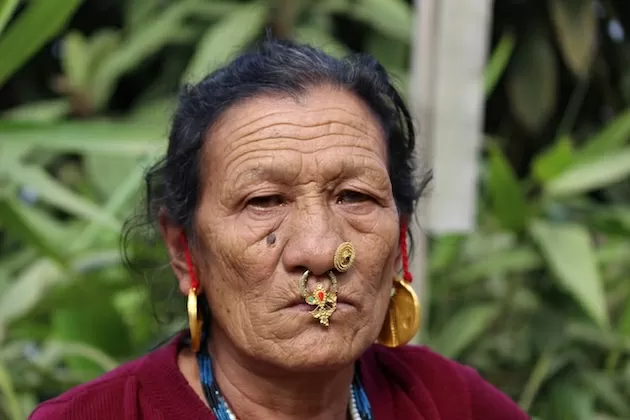
The world is facing a dual challenge – an aging population and the impact of climate change. As the global population continues to grow and live longer, the effects of climate change are becoming more severe. One of the most concerning consequences of this combination is the increased risk of heat exposure for older populations. With their reduced ability to regulate body temperature, extreme heat can be deadly for the elderly. In fact, there has been an 85 percent increase in annual heat-related deaths among adults aged above 65 since 1990. This is a concerning trend that we must address as a global community.
The aging population is a result of improved healthcare and advancements in technology, leading to longer life expectancy. According to the United Nations, the number of people aged 60 years and above is expected to reach 2.1 billion by 2050, almost double the number in 2017. This demographic shift has significant implications for society, including healthcare, social security, and the economy. However, one of the most pressing concerns is the increased vulnerability of the elderly to extreme heat.
As the Earth’s temperature continues to rise due to climate change, extreme heat events are becoming more frequent and intense. Heatwaves, droughts, and wildfires are becoming the new norm, with devastating consequences for human health. But it is the elderly who are most at risk. As we age, our bodies become less efficient at regulating temperature, making us more susceptible to heat-related illnesses such as heat exhaustion and heatstroke. This is due to a combination of factors, including a decrease in sweat production, reduced blood flow to the skin, and a slower response to changes in temperature.
The impact of heat exposure on older populations is already evident. In 2019, Europe experienced a record-breaking heatwave that claimed the lives of over 1,500 people, most of whom were elderly. In the same year, Japan recorded over 57,000 heat-related deaths, with the majority being people aged 65 and above. These are just a few examples of the devastating consequences of extreme heat on the elderly.
But we cannot simply accept this as the new reality. As a global community, we must take action to protect our aging population from the dangers of heat exposure. This requires a multi-faceted approach that addresses both the immediate and long-term effects of climate change.
First and foremost, we must invest in heat mitigation strategies that can help reduce the impact of extreme heat events. This includes measures such as providing access to cool and shaded areas, implementing heat warning systems, and improving building design to reduce heat absorption. These strategies can not only help protect the elderly but also benefit the entire community.
Secondly, we must prioritize the health and well-being of our aging population. This means providing access to quality healthcare, promoting healthy lifestyle choices, and investing in research to better understand the effects of heat on the elderly. By doing so, we can improve the resilience of older populations and reduce their vulnerability to extreme heat.
Furthermore, we must take urgent action to address the root cause of this issue – climate change. This requires a global effort to reduce greenhouse gas emissions and transition to more sustainable and renewable energy sources. We must also adapt to the changing climate by implementing measures such as reforestation, sustainable land management, and investing in climate-resilient infrastructure.
But it is not just the responsibility of governments and policymakers to address this issue. As individuals, we can also make a difference by taking simple actions such as conserving energy, reducing our carbon footprint, and advocating for climate action.
In conclusion, the combination of an aging population and the impact of climate change is a significant challenge that we must address urgently. The increased risk of heat exposure for older populations is a concerning trend that demands immediate action. We must come together as a global community to protect our elderly and ensure that they can live healthy and fulfilling lives, even in the face of a changing climate. Let us not forget that we all have a role to play in creating a sustainable future for generations to come.
