

Every day, Yondela Kolweni faces a heartbreaking battle. As a mother, she has to hold down her son tightly, while he screams and fights against her. It’s a painful reminder of the struggle they both face against one of the world’s top infectious killers – tuberculosis.
Kolweni, who is 30 years old and lives in Cape Town, South Africa, knows all too well the devastating effects of TB. She was diagnosed with the disease a few years ago and has been fighting it ever since. But now, she has to watch her own son go through the same ordeal.
“It’s a fight I win every day, but it’s a fight I feel awful about,” says Kolweni, her voice filled with emotion. “I never imagined that I would have to hold my own child down to give him life-saving medication. It breaks my heart every time.”
Tuberculosis, or TB, is a highly infectious disease caused by bacteria that mainly affects the lungs. It is spread through the air when an infected person coughs, sneezes, or talks. According to the World Health Organization, TB is the world’s top infectious killer, claiming over 1.5 million lives every year.
Sadly, Kolweni’s story is not unique. Many families in South Africa and other developing countries are facing the same struggle. Lack of access to proper healthcare, poverty, and stigma surrounding the disease make it difficult for people to get the treatment they need.
Kolweni’s family is one of the many who live in a low-income community, where TB is prevalent. She and her husband work hard to provide for their family, but their income is barely enough to cover their basic needs. When Kolweni was diagnosed with TB, she had to stop working, and her husband’s income was not enough to support the family. They had to rely on the support of their extended family and community to get by.
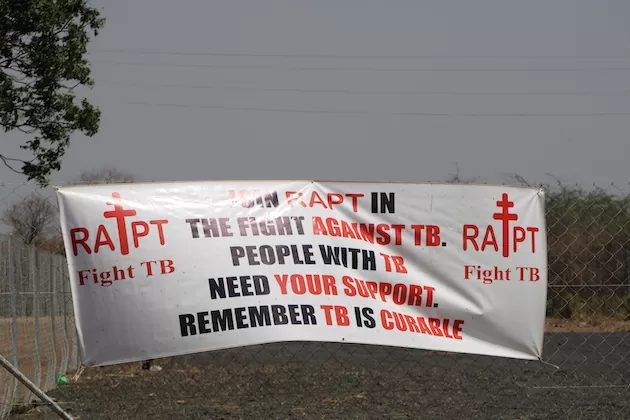
But despite the challenges, Kolweni is determined to fight for her son’s health. She knows that the daily struggle of giving him his medication is a small sacrifice compared to the consequences of not taking it. TB is a curable disease if treated properly, but if left untreated, it can be fatal.
“It’s not easy, but I have to be strong for my son,” says Kolweni. “I know that these tablets are saving his life, and that’s all that matters to me.”
Kolweni’s son is not the only one who struggles with taking medication. Many TB patients, especially children, have a hard time taking their daily tablets. The side effects of the medication can be severe, and it can take up to six months or more to complete the treatment. This can be a challenging and frustrating process for both patients and their families.
But there is hope. Organizations such as the World Health Organization and the Stop TB Partnership are working tirelessly to combat TB and provide support to those affected by it. Through their efforts, more people have access to proper treatment and support, and the number of TB-related deaths has decreased in recent years.
Kolweni is grateful for the support she has received from these organizations and the healthcare workers who have been by her side throughout her TB journey. She knows that without them, her son’s battle would have been much harder.
“I am grateful for every day that my son is alive and healthy,” says Kolweni with a smile. “I know that he will grow up to be a strong and resilient young man, and I am proud to be his mother.”
Kolweni’s story is a reminder of the strength and resilience of mothers. Despite the challenges they face, they will do everything in their power to protect and care for their children. And with the support of organizations and communities, we can all work together to end the fight against TB and save more lives.
