


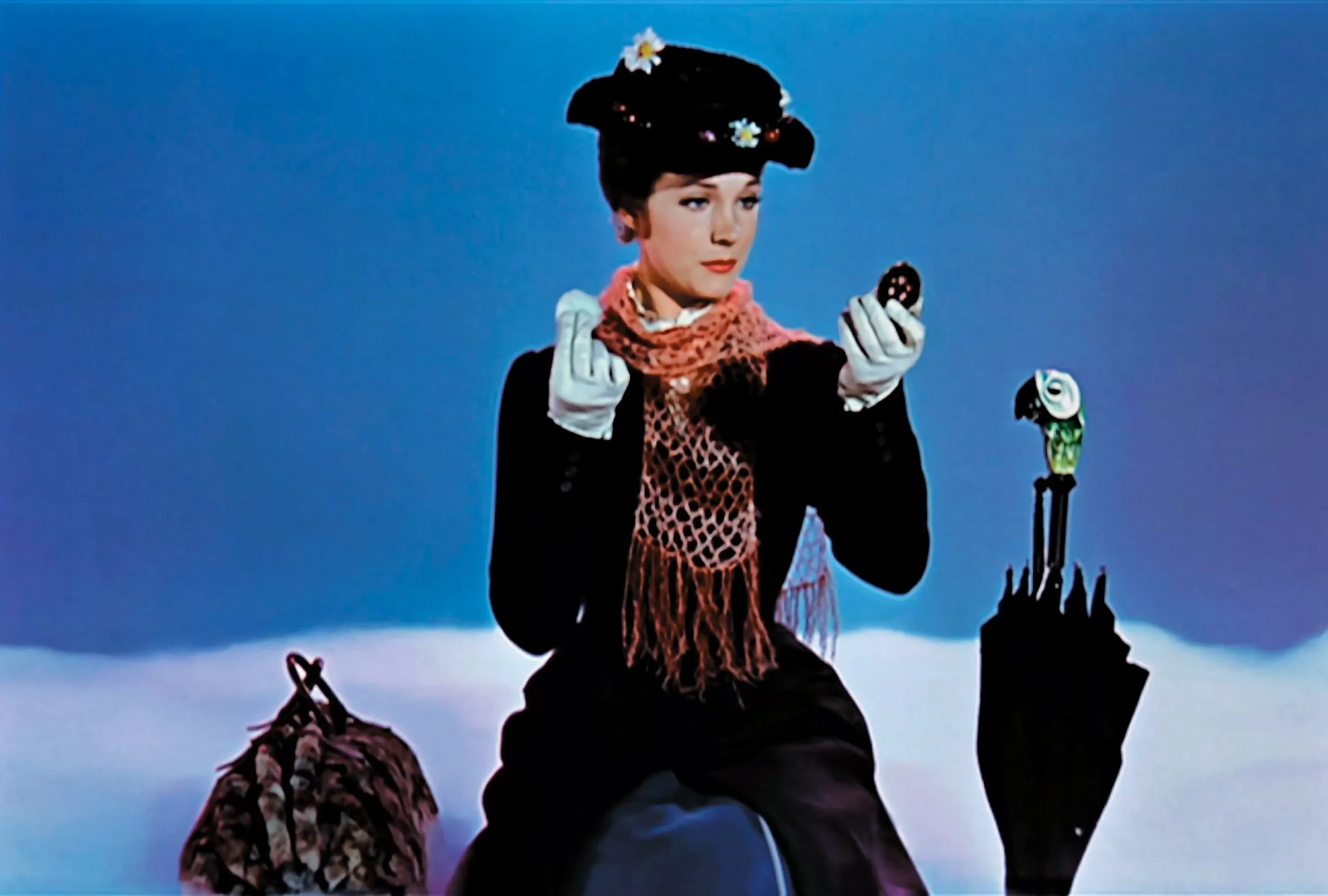
Julie Andrews in Mary Poppins: A Timeless Classic that Continues to Spark Conversation
60 years after its release, Mary Poppins is still making headlines. But this time, it’s not for its iconic songs or heartwarming story. In 2021, the British Board of Film Classification (BBFC) revealed that more people had made official complaints about Mary Poppins than any other film in the year. This may come as a surprise to many, considering the film’s universal appeal and beloved status among audiences of all ages. So why did this seemingly innocent family film spark such controversy?
Last year, the BBFC made the decision to downgrade Mary Poppins from a U certificate (meaning “universal for all”) to a PG, denoting that “parental guidance” is advised when it came to showing the film to children. This decision was based on a throwaway moment in the film where the sea captain character twice uses the slur “hottentots” to refer to soot-covered chimney sweeps seen in its iconic Step In Time sequence. While this term was originally used to refer to a specific Indigenous group in South Africa, it eventually became a general slur towards Black people.
The BBFC received a total of 56 complaints about this decision, with many feeling that a U rating was sufficient. In response, the BBFC pointed out that the usage of the term is “neither criticised nor condemned”, which could increase “the risk that very young viewers might repeat it without realising the potential for offence”. This sparked a heated debate about the responsibility of film classification boards and the impact of outdated language in classic films.
Mary Poppins was not the only film to generate complaints in the BBFC’s annual report. Dune: Part Two received 13 complaints for its depiction of knife-related violence, deemed too severe for a 12A rating. Saltburn, a dark comedy about sexual obsession, also received 10 complaints for its 15 certificate. However, the BBFC defended their decision, stating that the film’s tone and lack of explicit visuals met their standards for a 15 rating.
Despite the controversy surrounding its rating, Mary Poppins remains a beloved and timeless classic. Released in 1964, it was groundbreaking in its use of animation and live-action sequences, earning Julie Andrews the Academy Award for Best Actress and giving the Disney film studio new signature songs such as “A Spoonful of Sugar” and “Supercalifragilisticexpialidocious”. It was also a personal favourite of Walt Disney himself, particularly the song “Feed the Birds”.
Today, Mary Poppins is available to stream on Disney+ without a content warning and is listed as suitable for all viewers. This raises the question of whether or not classic films should come with a disclaimer about outdated language and societal norms. While some argue that it is important to acknowledge and educate viewers about the problematic aspects of the past, others argue that it takes away from the film’s original intent and message.
Despite the ongoing conversation about its rating, Mary Poppins continues to enchant and inspire audiences of all ages. Its heartwarming story, timeless songs, and iconic performances by Julie Andrews and Dick Van Dyke have solidified its place in cinema history. It is a reminder of the power of imagination, kindness, and the importance of family.
As we celebrate the 60th anniversary of Mary Poppins, it is clear that the film’s impact and relevance have not diminished over time. It continues to be a source of joy and wonder for generations to come. And perhaps, the controversy surrounding its rating will serve as a reminder to reflect on the progress we have made as a society and the work that still needs to be done. After all, as Mary Poppins herself said, “Anything can happen if you let it”.
