


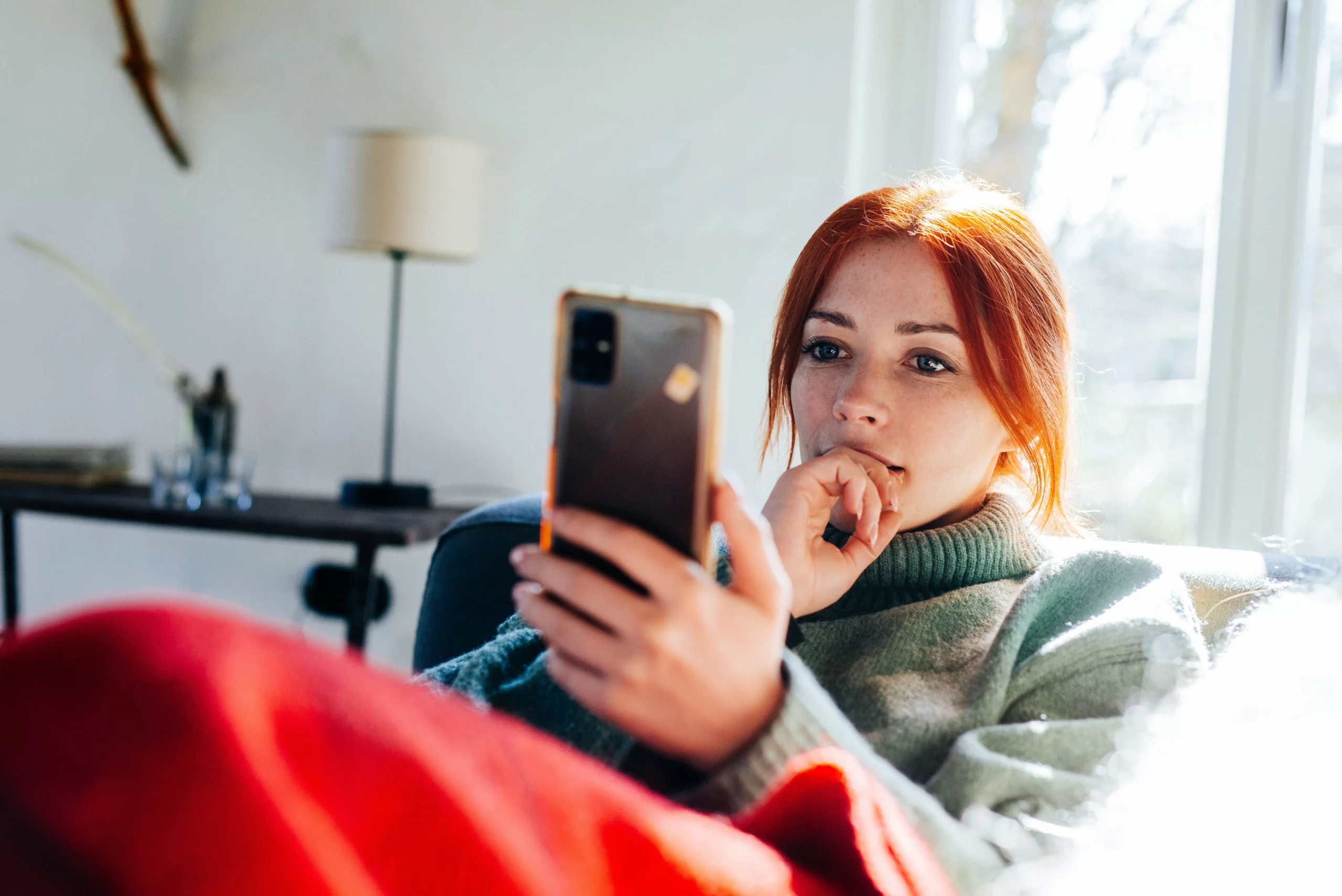
Grace J. couldn’t have predicted what would happen to her life when she took a break from social media to support her partner. But little did she know, this decision would lead to a positive and delightful change in her life.
It all started when her partner’s therapist recommended less screen time to help with his insomnia. As they gradually reduced their social media use, they found themselves connecting more intimately. They cuddled more, talked more, and after two weeks, they had sex for the first time in almost a year.
Experts agree that while social media can enhance our sex lives by providing valuable information, the downsides are worth avoiding. According to Holly Nelson, a certified EMDR therapist who specializes in overcoming sexual anxiety and shame, “Many people think social media is a harmless distraction, but it subtly rewires how we connect, regulate our emotions, and value ourselves, and that ripple effect will show up in the bedroom.”
Research also highlights the reasons why people like Grace and her partner have experienced positive changes by stepping away from digital platforms. A 2024 study linked heavy social media use with an increased risk of vaginal dryness, erectile dysfunction, and low libido.
It’s all too easy to compare ourselves to others when we’re scrolling through Instagram or Facebook. This constant comparison can lead to low self-esteem, which can have a negative impact on our sex lives. According to Mindy DeSeta, a sexologist and sexuality educator at the dating app Hily, “When we compare ourselves to a snapshot of another person’s life, we always come out on the bottom.” This feeling of inadequacy can lead to self-doubt and anxiety, which can affect our sexual desire and function.
Moreover, social media can also contribute to poor body image. The constant bombardment of “fitspiration” posts promoting unrealistic body standards can lead to body dissatisfaction and disordered eating, which can disrupt sexual arousal and pleasure. DeSeta explains, “The perfectly curated social media feeds prompt our brain to create an elaborate story behind each photo and twist our perception of what ‘sexy’ looks like, making us give up our authenticity.” This can also lead to difficulties in achieving orgasm during partnered and solo sex.
Another downside of social media is that it can take up a significant amount of our time, leaving little room for intimacy. On average, adults spend nearly 2.5 hours per day on social media, and when combined with other obligations, it can leave us with little time for our partners. This can lead to emotional distance and a lack of connection in our relationships. As Nelson puts it, “If you are on your phone when you could be spending genuine time with your partner, you are sending them a direct message that you prefer the phone over them.”
Furthermore, social media can also contribute to emotional reactivity. After scrolling through our feeds, we may find ourselves snapping at our partners instead of communicating with them. This is because social media is designed to inspire high emotional reactivity, and when we are already emotionally charged, our libido naturally decreases. The polarized opinions and frightening headlines that often dominate our feeds can also add to this heightened emotional state.
Moreover, social media can also affect our sleep, leading to increased stress levels. This can have a direct impact on our sexual function, as sleep loss and stress are known to fuel sexual dysfunction. Nelson explains, “Doom scrolling and digital overstimulation can hijack the brain’s reward system, making real-life intimacy feel less novel or exciting and draining your energy and time entirely, even to create space to be in the mood to have sex.”
However, Grace and her partner have seen significant improvements in their relationship since their digital detox began. “I feel like we’re stressing out less in general,” she says. “I think that’s why we both get turned on faster and at all.” She also notes that they are sleeping better, which has had a positive impact on their sex life.
But giving up social media is not the only solution. There are ways to improve our sex lives while still staying connected to the digital world. One way is to shift our approach to social media. Nelson suggests avoiding screen time for at least one hour before bed and replacing it with intimate pleasure rituals, such as taking a soothing bath or giving each other massages.
To improve our body image, we can also shift what we see online. Instead of following accounts that promote unrealistic body standards, we can follow those that promote
