


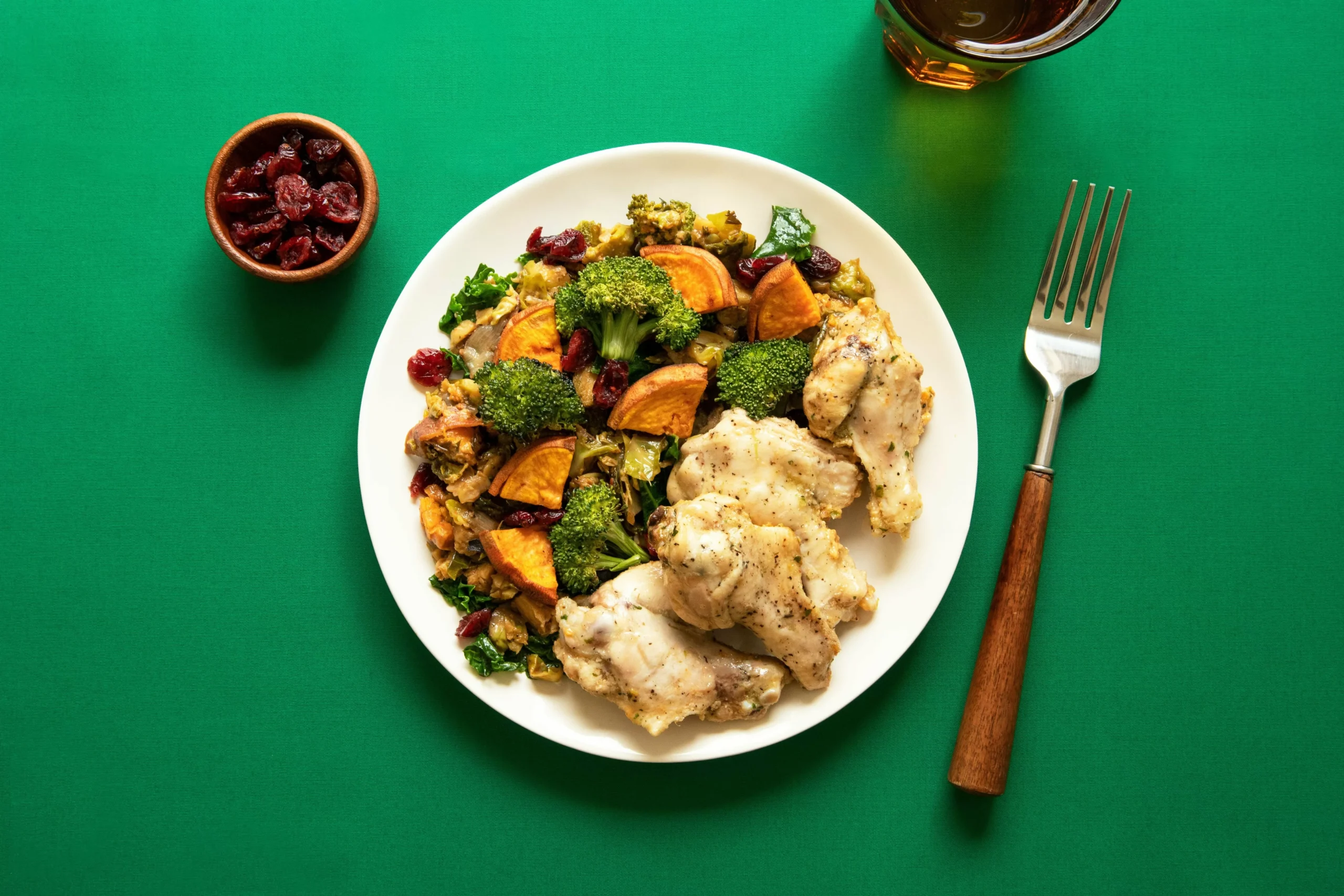
Food sequencing, also known as food order, is an approach to eating where the order in which you consume your food can have a significant impact on your overall well-being. It is becoming increasingly popular on social media and many people, including renowned nutrition experts, are advocating for its benefits.
We have previously discussed the best time to eat dinner for longevity, but did you know that the order in which you eat your food can also make a difference in how you feel afterwards? For many of us, the first thing we reach for is the delicious and comforting carbohydrates – whether it’s the pasta, potatoes or rice. However, it turns out that this may not be the best approach for our bodies.
Registered dietitian and founder of NY Nutrition Group, Lisa Moskovitz, recently shared her thoughts on food sequencing in a TikTok video. She admits that she is usually hesitant to give specific nutrition recommendations as advice can often be misinterpreted and contribute to harmful food rules. However, she believes that food sequencing could be beneficial for the majority of people.
So, what exactly is food sequencing? According to Moskovitz, it is not about avoiding or restricting certain foods, but rather a strategy to help you fill up on the most nutritious foods while still leaving room for the foods you love. In other words, all foods can fit into our diets, but some are simply more beneficial for our overall health.
The general consensus among nutrition experts is that it’s best to eat vegetables first, followed by protein and fats, and then carbohydrates last. This technique can help prevent blood sugar spikes and leave you feeling fuller for longer, reducing the need to snack later on. In fact, one study found that people with type 2 diabetes who ate vegetables before starchy carbs saw a significant improvement in their blood sugar levels.
Moskovitz explains that the key is to choose foods that are high in protein, fiber, and promote good gut health. Starting your meal with a salad or some broccoli, followed by chicken or fish, and saving the pasta, bread or potatoes for the end can help you make healthier and more satiating food choices.
This doesn’t mean that you have to say no to carbs or completely cut them out of your diet. It’s all about finding a compromise and enjoying them in moderation. By sequencing your food in this way, you can still satisfy your cravings while also prioritizing nutrient-dense and filling foods.
Not only can food sequencing help with blood sugar control and satiety, but it can also have a positive impact on your gut health. The gut microbiome plays a crucial role in our overall well-being, and by prioritizing vegetables and fibrous foods first, we can support the growth of beneficial bacteria in our gut.
So, the next time you sit down for a meal, remember to start with your veggies, followed by protein and fats, and then saving the carbs for last. This will not only help you make healthier choices but can also leave you feeling more satisfied and energized.
In conclusion, food sequencing is a simple yet effective approach to eating that can have a significant impact on our overall health and well-being. By choosing the right sequence of foods, we can better control our blood sugar levels, improve our gut health, and make more nutritious and filling food choices. So why not give it a try and see how it works for you? Your body will thank you for it.
