


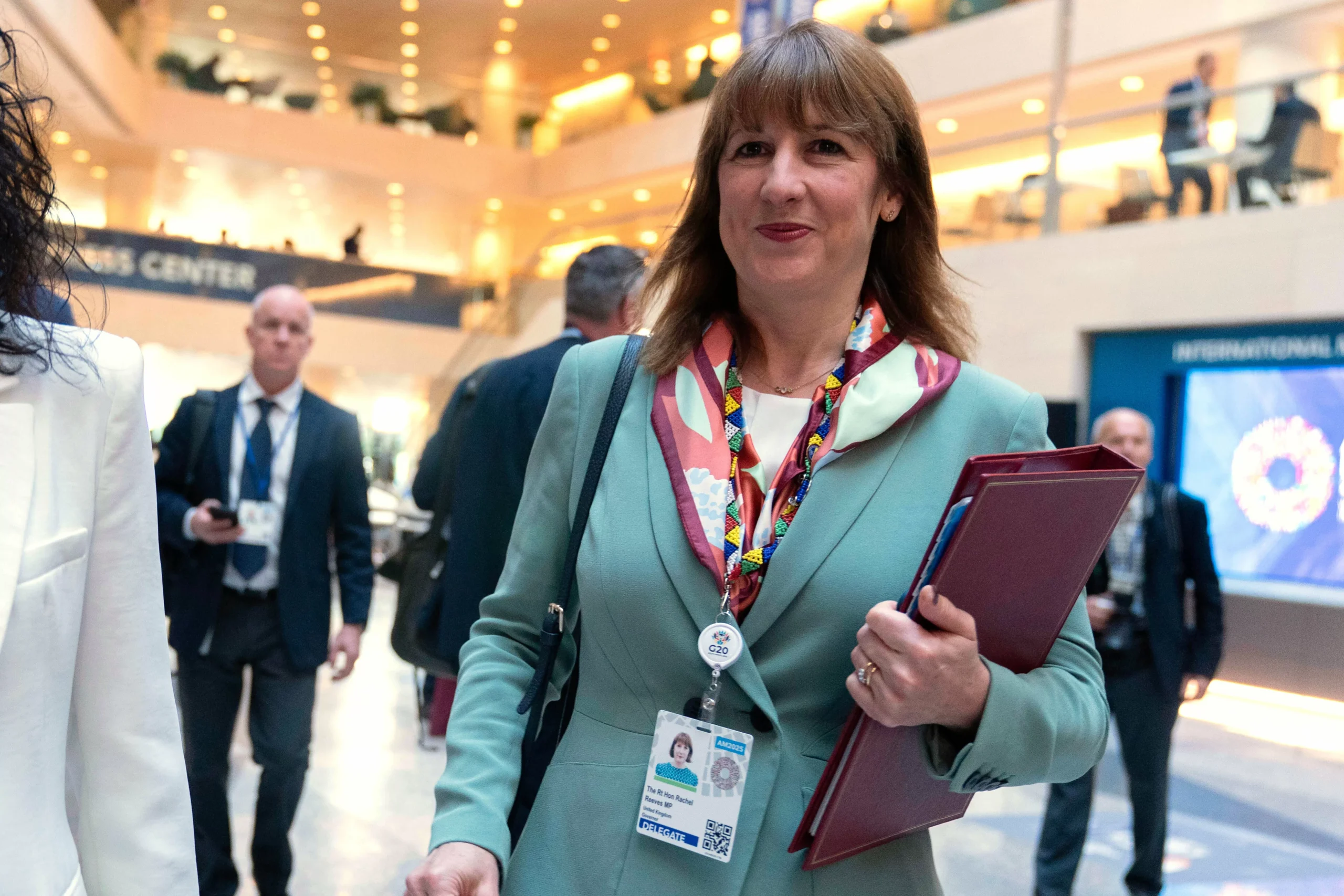
Rachel Reeves, the Chancellor of the Exchequer, is gearing up to deliver the Budget on November 26th. As she prepares to take the stage, she is faced with the daunting task of finding the funds to fill a black hole of at least £30 billion in the government’s finances. This has led to mounting speculation that she will break Labour’s biggest election promise and raise taxes.
In her speech on Tuesday morning, Reeves will address the nation and level with voters about the challenging circumstances that the government is facing. She will pledge to protect the NHS, reduce the national debt, and tackle the rising cost of living. These are all crucial issues that have been at the forefront of the British people’s minds, and Reeves is determined to address them head-on.
However, in order to fulfill these promises, Reeves will have to make some tough decisions, including potentially raising income tax by 2p in the pound. This move is estimated to raise around £6 billion, but it goes against Labour’s election manifesto pledge not to increase income tax, VAT, or National Insurance. This has caused some concern among the public, who may feel let down by the party’s initial promises.
In her speech, Reeves will make it clear that she is aware of the speculation surrounding her choices and the impact they will have on the economy. She will also emphasize the importance of understanding the circumstances that the government is facing and the principles guiding her decisions. She firmly believes that the choices she makes will be in the best interest of the country and its people.
The Chancellor’s comments are the clearest indication yet that major tax rises are on the horizon as she struggles to balance the nation’s books. This may come as a surprise to some, as just a few months ago, Reeves insisted that Labour would not break their election pledge on tax. She stated that they would stick to their commitments and not increase taxes on working people, who have already been hit hard by the cost of living crisis.
Reeves also pointed out that even in the last Budget, when she had to raise taxes to deal with the black hole left by the previous Conservative government, she did not increase taxes on working people. This shows her commitment to protecting the interests of the working class and ensuring that they do not bear the burden of the government’s financial struggles.
However, as the Chancellor prepares to deliver her Budget, it seems that the circumstances have changed. The impact of Brexit and the ongoing pandemic have put a strain on the economy, and tough decisions need to be made in order to secure a strong foundation for the future. This is not an easy task, but Reeves is determined to stay true to her government’s values of fairness and opportunity.
In an exclusive interview with HuffPost UK, Reeves stated that she cannot predict the next four years’ worth of Budgets, but she stands by the manifesto commitments made by Labour. She reassured the public that they will not go back to the days of increasing taxes and burdening working people. This is a promise that she intends to keep, despite the challenges that lie ahead.
As the Budget approaches, the nation eagerly awaits to see what decisions will be made and how they will impact their lives. The economy is a complex and ever-changing entity, and it is not an easy task to balance the books. However, with Rachel Reeves at the helm, we can be assured that the choices made will be in the best interest of the country and its people.
In conclusion, Rachel Reeves is preparing to break Labour’s big election manifesto pledge by potentially raising taxes in the upcoming Budget. This decision has been met with some speculation and concern, but Reeves is determined to fulfill her promises of protecting the NHS, reducing the national debt, and improving the cost of living. She understands the challenges that lie ahead and is committed to making the right choices for the country. As she takes the stage on November 26th, we can be confident that the Budget will be led by the government’s values of fairness and opportunity, and focused on the priorities of the British people.
