


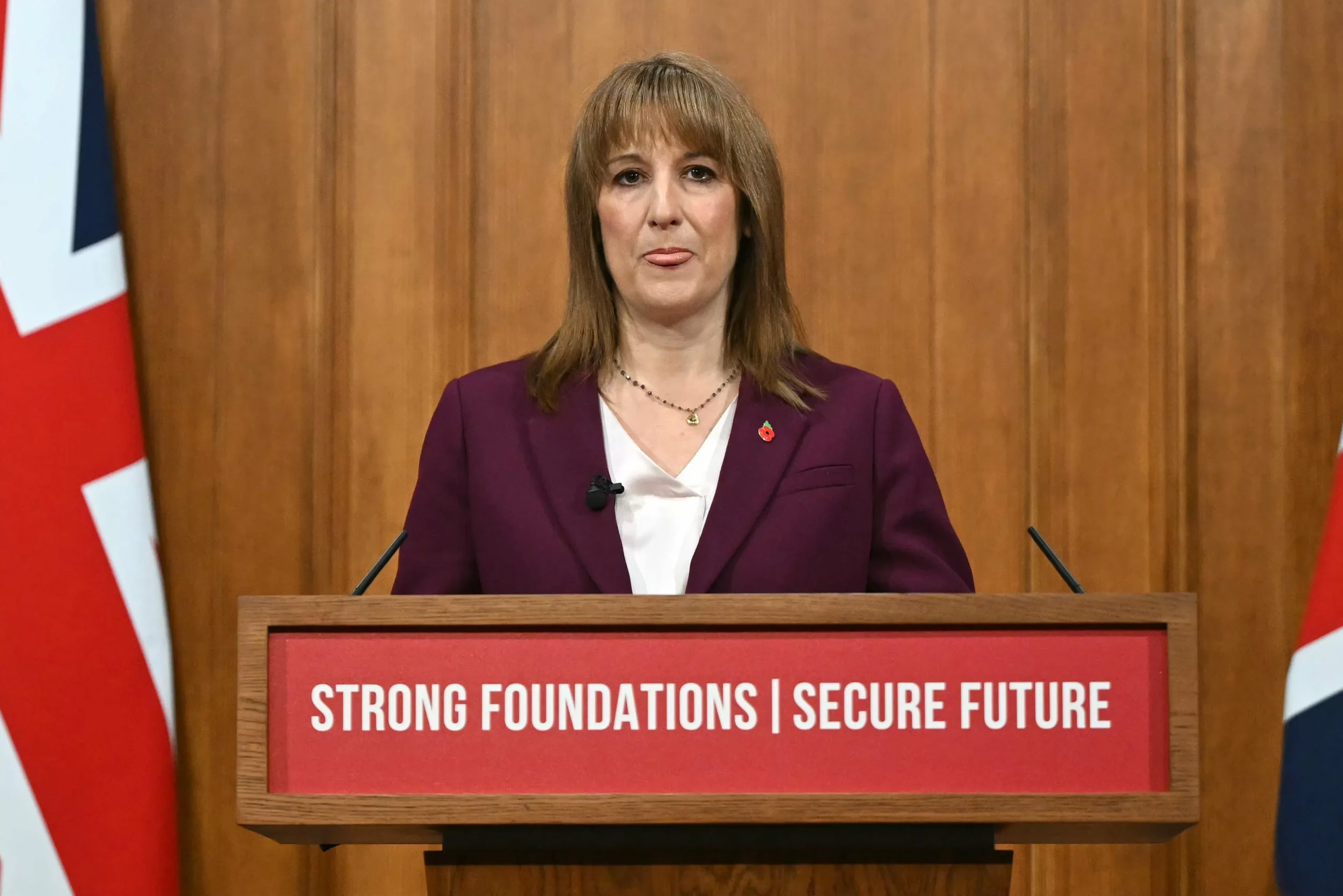
Chancellor Rachel Reeves is facing a major setback as the UK’s unemployment rate has risen to 5%, according to the latest official figures. This is the highest rate recorded since the three months leading up to February 2021, at the height of the Covid pandemic. The news comes as a blow to Reeves, who has been working tirelessly to boost the country’s economy and create more job opportunities for its citizens.
The Office for National Statistics (ONS) reported that the increase in unemployment occurred in the three months leading up to September. This means that the number of individuals out of work has now reached 1.8 million. While we do not have the full year’s data yet, as the figures for October, November, and December still need to be collected, the current rate is cause for concern.
One particular area of concern is the youth unemployment rate, which has seen a significant increase in recent times. According to the Resolution Foundation, almost a million young people, aged 16-24, are currently unemployed. This is the highest level recorded in a decade, and it is nearly the same number as during the aftermath of the 2008 financial crisis. Shockingly, this represents a rise of 195,000 in just two years.
What makes this figure even more concerning is that most of these individuals are not actively seeking employment. Instead, they are classified as “economically inactive,” with many citing health issues or other reasons for not working or studying. This is a worrying trend that needs to be addressed immediately.
The rise in unemployment is unexpected, as many analysts had predicted that the rate would remain around 4.9% ahead of Reeves’ Budget on November 26. However, the 5% figure is a clear indication that the labor market is weakening. Despite average wage growth only slightly falling to 4.6% in the most recent quarter, down from 4.7% in the previous quarter, the ONS Director of Economic Statistics, Liz McKeown, notes that this, combined with the rise in unemployment, points towards a weakening labor market.
The increase in unemployment comes after Chancellor Reeves announced plans to increase employer national insurance contributions by £25 billion and to raise the national living wage from April. Critics have argued that these measures have negatively impacted part-time employment and jobs in the hospitality, leisure, and retail sectors.
For those who are currently unemployed, the amount of unemployment benefits they can receive is limited. Jobseeker’s Allowance (JSA) is available for up to 182 days and is reduced or stopped if an individual does not comply with the agreement to actively seek employment. The weekly amount for JSA is £72.90 for those under the age of 24 and £92.05 for those aged 25 and over. However, Universal Credit is gradually replacing income-based JSA, Income Support, and income-related Employment and Support Allowance, and eligibility for this benefit depends on income and circumstances.
The rise in unemployment is a significant concern, not just for those who are currently unemployed, but also for the government and its upcoming Budget. The 5% unemployment rate is not something the government wants to hear, especially as it tries to bridge a gap of up to £30 billion in the public finances. This could potentially result in further tax hikes, which could have a negative impact on employment and economic growth.
However, the government is taking steps to address the employment crisis. Recently, former Labour health secretary Alan Milburn was appointed to lead an independent review into how mental health issues and disability affect unemployment among young people. Additionally, a review by Charlie Mayfield, former chief of John Lewis, found that young adults are among the groups most affected by the “economic inactivity crisis” in the UK. The Bank of England has also warned that unemployment could increase beyond 5% next year, making it even more challenging for workers to negotiate higher wages.
Despite the challenges in the labor market, Work and Pensions Secretary Pat McFadden remains optimistic. He notes that while there are challenges, the British economy is still generating jobs. He also emphasizes the government’s commitment to getting Britain working, with the introduction of ambitious employment reforms, including modernizing job centers, expanding youth hubs, and working with employers to tackle ill-health.
As the November 26 Budget approaches, it is clear that Chancellor Reeves has her work cut out for her. However, with the government’s efforts and a strong focus on creating
