


The world is facing a crisis like never before. Climate change is no longer a distant threat, but a harsh reality that is affecting every corner of the globe. The consequences of our actions are becoming increasingly evident, from extreme weather events to rising sea levels and loss of biodiversity. But amidst this crisis, there is a glimmer of hope. The climate change crisis offers us a real chance to bring a new vision, one that is rooted in fairness, dignity, and harmony with nature.
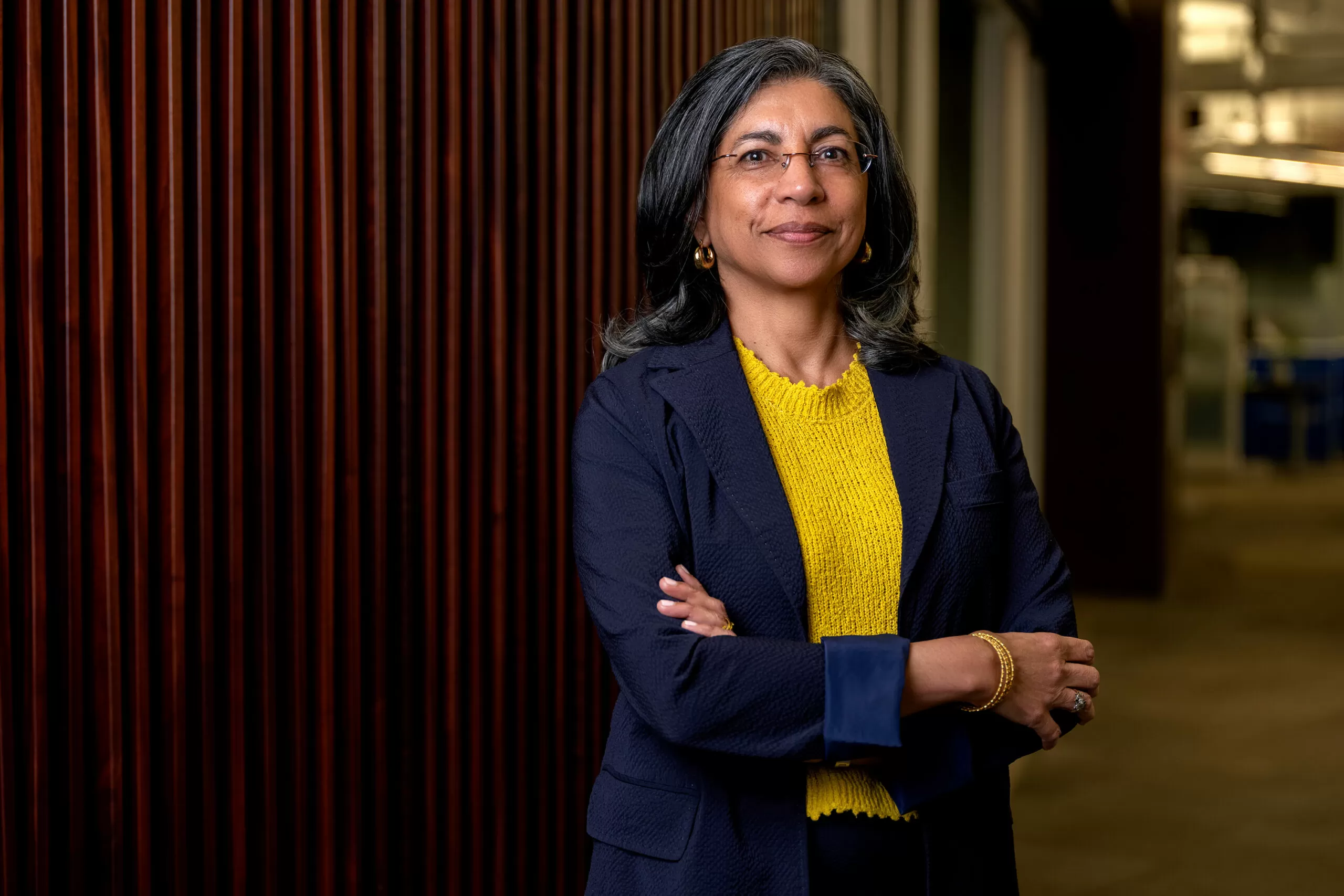
These words were spoken by Binaifer Nowrojee, a human rights lawyer and president of the Open Society Foundations (OSF). And they hold a powerful message for all of us. Now more than ever, we have the opportunity to create a world that is fair, just, and sustainable for all. The global community has the ability and the responsibility to balance people, profit, and planet in a way that has not been achieved in the past.
The first step towards this new vision is acknowledging that climate change is not just an environmental issue, but a human rights issue. The effects of climate change are disproportionately felt by the most vulnerable communities, who often have the least resources to adapt. This includes indigenous peoples, women, children, and marginalized groups. As the climate crisis worsens, so does the violation of their basic human rights, such as access to clean water, food, and shelter.
But it’s not just about protecting the rights of those most affected by climate change. It’s also about recognizing that our actions have a global impact. The developed world, with its high levels of consumption and carbon emissions, has a responsibility to support and assist developing countries in their efforts to mitigate and adapt to the effects of climate change. This is not just a moral obligation, but a crucial step towards achieving a fair and just world.
The second step towards this new vision is understanding that the pursuit of profit at the expense of the planet and its people is no longer sustainable. The current economic model, which prioritizes growth and profit above all else, has led us to the brink of environmental and social collapse. We cannot continue to exploit the Earth’s resources and disregard the well-being of its inhabitants. It’s time to shift towards a more sustainable and equitable economic system that takes into account the needs of both people and the planet.
This is where the concept of the triple bottom line comes in – balancing people, profit, and planet. It’s a framework that recognizes the interconnectedness of these three elements and the need to prioritize all of them for a truly sustainable future. This means investing in renewable energy, promoting sustainable agriculture, and creating green jobs. It also means ensuring fair wages and working conditions for all, and protecting the rights of workers and communities affected by industries such as mining and fossil fuels.
The third and final step towards this new vision is recognizing that we are all in this together. Climate change knows no borders and affects us all, regardless of race, nationality, or socio-economic status. We must come together as a global community to find solutions and take action. This includes governments, businesses, civil society organizations, and individuals. We all have a role to play in creating a more just and sustainable world.
The good news is that we already have the tools and knowledge to make this vision a reality. Renewable energy technologies are becoming more affordable and accessible, and sustainable practices are being adopted by businesses and individuals around the world. What we need now is the political will and collective action to implement these solutions on a larger scale.
The Open Society Foundations (OSF) is one organization that is working towards this new vision. Through their work in promoting human rights and social justice, they recognize the importance of addressing the climate crisis and its impact on vulnerable communities. They also support initiatives that promote sustainable development and advocate for policies that prioritize people and the planet.
In conclusion, the climate change crisis is not just a threat, but an opportunity. It offers us a chance to create a new vision for our world, one that is rooted in fairness, dignity, and harmony with nature. We have the ability and the responsibility to balance people, profit, and planet, and create a more just and sustainable future for all. Let us come together and seize this opportunity to make a positive change for generations to come.
