
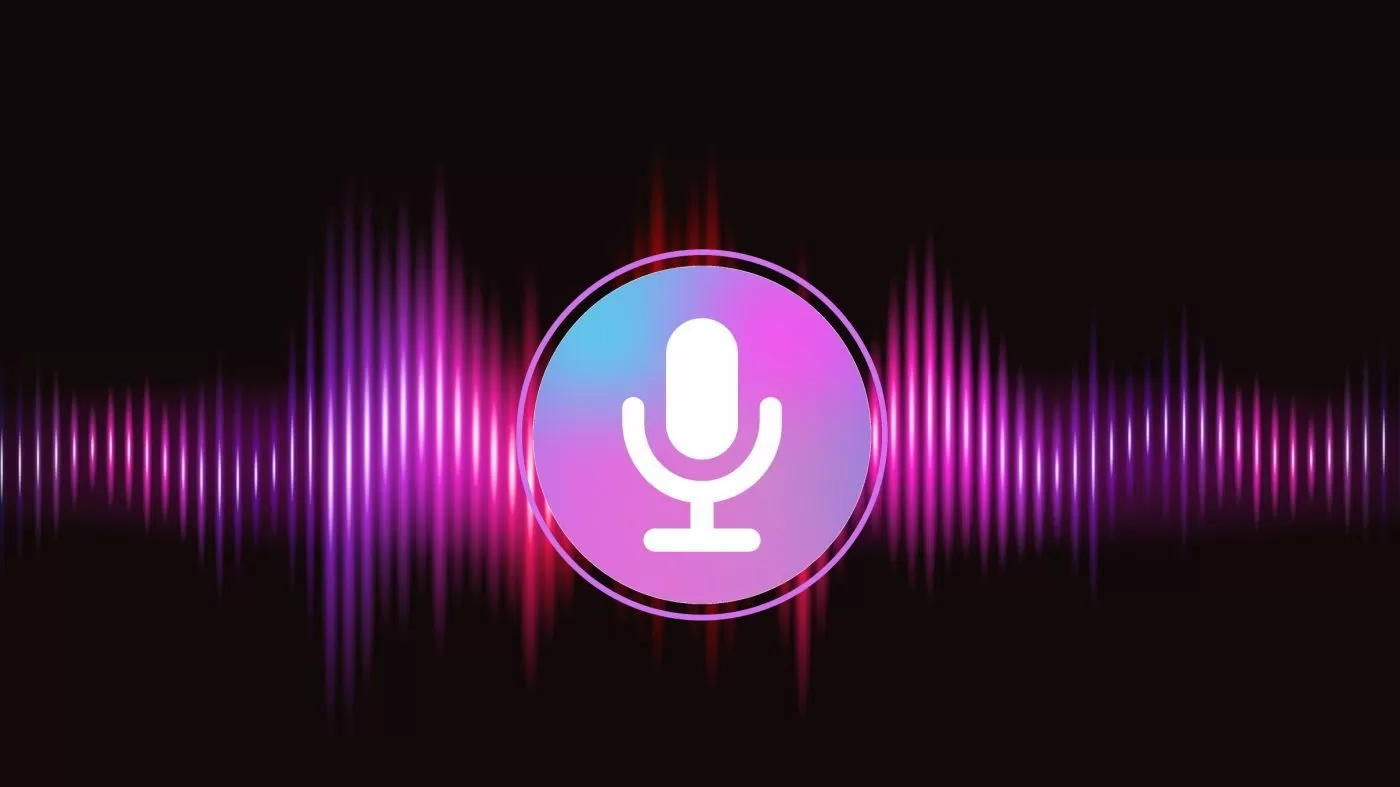
In a world where technology is advancing at an unprecedented pace, it is not surprising to see artificial intelligence (AI) taking over various industries. From self-driving cars to virtual assistants, AI has become an integral part of our daily lives. However, the latest breakthrough in AI technology has left the world in awe and raised some intriguing questions. The news of Solomon Ray, a virtual musician entirely created by artificial intelligence, has taken the music industry by storm. This groundbreaking achievement has not only pushed the boundaries of what AI can do but has also sparked a debate on the future of music and creativity.
Solomon Ray, also known as S.O.L.O.M.O.N, is the brainchild of OpenAI, a research laboratory based in San Francisco. The team at OpenAI has been working tirelessly for the past two years to develop an AI that can create music and lyrics just like a human artist. And their efforts have paid off with the birth of Solomon Ray. This virtual musician has a unique voice, writes its own songs, and even has its own personality. It’s hard to believe that all of this is the work of a machine, but it’s true. Solomon Ray is entirely created by artificial intelligence, and it’s a remarkable achievement that has the potential to revolutionize the music industry.
The creation of Solomon Ray has been a result of years of research and development in the field of AI. OpenAI’s team of experts has used a combination of machine learning, deep learning, and natural language processing algorithms to train the AI. They have fed it with a massive amount of data, including thousands of songs from various genres, lyrics, and even music theory. The AI has analyzed and learned from this data, enabling it to create original music and lyrics that are on par with human artists. This process is known as generative AI, where the AI can create new content by itself, without any human intervention.
One of the most impressive aspects of Solomon Ray is its ability to evoke emotions through its music. The AI has been trained to understand human emotions and express them through its music. It’s a remarkable feat that has stunned music critics and fans alike. Many have compared Solomon Ray’s music to that of renowned artists, and some have even gone as far as saying that it’s better than human-created music. This is a testament to the capabilities of AI and the endless possibilities it holds for the future of music.
But what does this mean for human musicians? Will they be replaced by AI in the near future? The answer is no. The creation of Solomon Ray is not meant to replace human artists, but rather to collaborate with them. OpenAI’s vision is to create a platform where human artists can work with AI to create unique and innovative music. This will not only enhance the creativity and productivity of musicians but also open up new avenues for collaboration and experimentation. It’s a win-win situation for both AI and human artists.
Moreover, Solomon Ray’s creation has also raised questions about the definition of creativity. Many argue that AI cannot be creative as it’s just replicating what it has learned from humans. However, the team at OpenAI believes that the AI’s ability to create original music and evoke emotions is a form of creativity in itself. It’s a new form of creativity that we are yet to fully understand, and it has the potential to change the way we perceive art and music.
The impact of Solomon Ray’s creation goes beyond the music industry. It has opened up new possibilities for AI in other fields such as gaming, film, and advertising. The AI’s ability to create original content and evoke emotions can be utilized in various industries, making it a valuable asset for businesses. This will also lead to the development of new AI-based products and services, creating new job opportunities and boosting the economy.
Some may argue that the creation of Solomon Ray is a threat to human creativity and could lead to a dystopian future where machines take over. However, it’s essential to understand that AI is a tool created by humans, and it’s up to us how we use it. The team at OpenAI has emphasized that their goal is not to create something that can replace humans but to create something that can work alongside them. It’s a testament to their responsible approach towards AI development.
In conclusion, the creation of Solomon Ray, a virtual musician entirely created by artificial intelligence, is a significant achievement that has the potential to change the music industry and beyond. It’s a testament
