


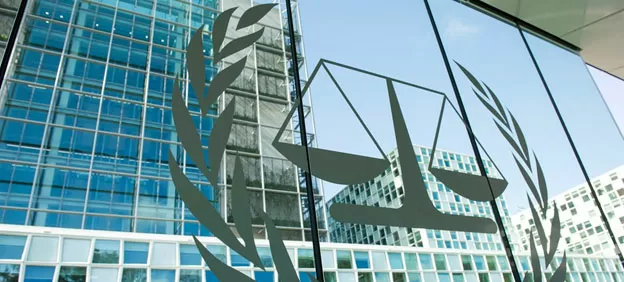
The United States’ recent decision to impose sanctions on the International Criminal Court (ICC) has sparked controversy and raised concerns about the future of international justice. The sanctions, which were announced in June 2020, have intensified the already rigid isolation of the ICC judges and officials based in The Hague, Netherlands. In an interview with French judge Nicolas Guillou, published in Le Monde, it was revealed that the sanctions have also resulted in the denial of access to American websites and credit cards for the ICC judges. This move by the US has been met with strong criticism from the international community, with many condemning it as a direct attack on the independence and integrity of the ICC.
The ICC, established in 2002, is the world’s first permanent international criminal court. Its mandate is to investigate and prosecute individuals for the most serious crimes of international concern, such as genocide, war crimes, and crimes against humanity. The court is made up of 123 member states, including the majority of European countries, but the US has never been a member. Despite this, the US has always maintained a cooperative relationship with the ICC, until now.
The US sanctions on the ICC were imposed in response to the court’s investigation into alleged war crimes committed by US forces in Afghanistan. The US government has vehemently denied these allegations and has refused to cooperate with the ICC in any way. In addition to the sanctions, the US has also revoked the visa of ICC prosecutor Fatou Bensouda, effectively banning her from entering the country. This move has been widely condemned by human rights groups and legal experts, who see it as a blatant attempt to obstruct justice and intimidate the ICC.
The impact of these sanctions on the ICC judges and officials based in The Hague has been significant. In the interview with Le Monde, Judge Guillou expressed his frustration and concern over the restrictions placed on him and his colleagues. He stated that the judges are now unable to access American websites and use credit cards for their daily expenses. This has made their work and personal lives more difficult and has further isolated them from the international community.
The US sanctions have also had a chilling effect on the ICC’s ability to carry out its mandate effectively. The court heavily relies on cooperation and support from member states, including the US, to carry out its investigations and prosecutions. With the US refusing to cooperate and actively working against the court, it has become increasingly challenging for the ICC to gather evidence and conduct its work in a fair and impartial manner.
The international community has strongly condemned the US sanctions on the ICC, with many calling for their immediate withdrawal. The European Union, a key ally of the US, has expressed its deep concern over the sanctions and has called for a united front in support of the ICC. The EU has also reaffirmed its commitment to the ICC and its mandate to fight impunity and ensure justice for victims of the most heinous crimes.
It is evident that the US sanctions have only served to further isolate the ICC and hinder its ability to carry out its crucial work. The independence and integrity of the court must be protected, and any attempts to undermine it must be strongly condemned. The ICC plays a vital role in promoting international justice and holding perpetrators of the most serious crimes accountable. The US, as a global leader, should support and cooperate with the ICC, rather than working against it.
In conclusion, the US sanctions on the ICC have caused significant harm to the court and its officials. The restrictions placed on the judges and officials have only served to further isolate them and hinder their work. It is crucial that the international community stands in solidarity with the ICC and condemns these sanctions. The US must reconsider its stance and work towards promoting international justice and upholding the rule of law. As Judge Guillou stated in his interview, “The ICC is not a political instrument, it is a judicial institution. Justice must be above politics.” It is time for the US to recognize this and support the ICC in its important mission.
