


For the past decade, Yemen has been at the center of a severe and multifaceted humanitarian crisis, one that has left its mark on the country and its people. The conflict in Yemen has been ongoing since 2014, when Houthi rebels overthrew the government and took control of the capital city, Sanaa. Since then, the country has been embroiled in a complex and devastating civil war, with various Middle Eastern actors involved and millions of innocent civilians caught in the crossfire.
The situation in Yemen is dire and has only worsened in recent months. The country is facing widespread violence, with armed clashes between different groups and airstrikes causing destruction and loss of life. This has led to the displacement of millions of Yemenis, with many forced to flee their homes and seek safety elsewhere. The United Nations estimates that there are currently over 3.6 million internally displaced people in Yemen, with many more seeking refuge in neighboring countries.
The ongoing conflict has also resulted in economic decline, with the country’s already fragile economy taking a severe hit. The lack of stability and security has led to the closure of businesses, loss of jobs, and a sharp rise in food prices. This has left many Yemenis struggling to make ends meet, with over 24 million people in need of humanitarian assistance. The collapse of essential services, such as healthcare and education, has only added to the suffering of the Yemeni people.
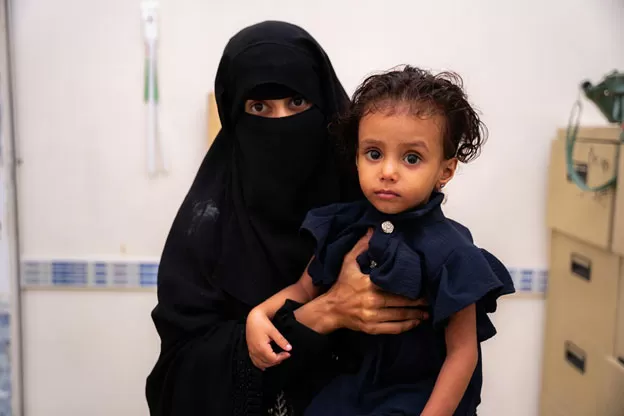
The humanitarian crisis in Yemen has had a devastating impact on the most vulnerable members of society, including women, children, and the elderly. According to the United Nations, over 80% of the population is in need of some form of humanitarian aid, and over 20 million people are facing food insecurity. The situation is particularly dire for children, with over 2 million suffering from acute malnutrition and in urgent need of treatment.
As the crisis in Yemen has intensified in recent months, humanitarian agencies have been working tirelessly to provide aid and support to those in need. Despite the challenges they face, these agencies continue to deliver life-saving assistance to millions of Yemenis. They provide food, clean water, healthcare, and shelter to those who have been displaced by the conflict. They also provide protection and support to vulnerable groups, such as women and children, who are at risk of exploitation and abuse.
The efforts of these humanitarian agencies are crucial in saving lives and alleviating the suffering of the Yemeni people. However, they face numerous challenges in carrying out their work. The ongoing conflict has made it difficult for aid workers to access certain areas, and the lack of funding has limited their ability to reach all those in need. It is essential that the international community comes together to provide the necessary support and resources to these agencies so that they can continue their life-saving work.
In addition to providing immediate aid, it is also crucial to address the root causes of the crisis in Yemen. This includes finding a peaceful solution to the conflict and ensuring that all parties involved respect international humanitarian law. It is also essential to address the economic and social issues that have contributed to the crisis, such as poverty, unemployment, and lack of access to basic services.
The people of Yemen have endured unimaginable suffering for far too long. The ongoing humanitarian crisis has taken a toll on their lives and their future. It is time for the international community to come together and take action to bring an end to this crisis. We must stand in solidarity with the Yemeni people and support the efforts of humanitarian agencies in providing life-saving assistance. Together, we can make a difference and bring hope to the people of Yemen.
