


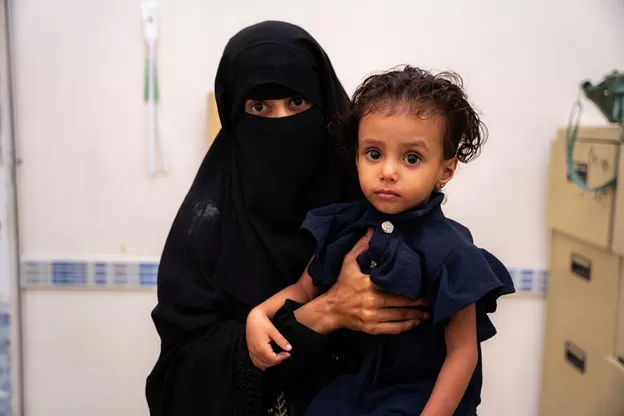
For the past decade, Yemen has been at the center of a severe and multifaceted humanitarian crisis. The country has been ravaged by widespread violence between various Middle Eastern actors, leading to widespread civilian displacement, economic decline, and the collapse of essential services that serve as lifelines for displaced communities. As the crisis has intensified in recent months, humanitarian agencies are facing unprecedented challenges in providing aid and support to the people of Yemen.
The situation in Yemen is dire, with millions of people in need of urgent humanitarian assistance. According to the United Nations, more than 24 million people, or 80% of the population, are in need of humanitarian aid. This includes 14 million people who are at risk of starvation and 3.3 million children and pregnant or lactating women who are acutely malnourished. The ongoing conflict has also resulted in the displacement of over 3.6 million people, with many forced to flee their homes and seek refuge in overcrowded camps or host communities.
The humanitarian crisis in Yemen is complex and has been exacerbated by the involvement of various regional actors. The ongoing conflict between the internationally recognized government and the Houthi rebels has led to a devastating impact on the civilian population. The fighting has destroyed critical infrastructure, including hospitals, schools, and water and sanitation facilities, leaving millions of people without access to basic services. The blockade imposed by the Saudi-led coalition has also severely restricted the flow of essential goods and humanitarian aid into the country, further exacerbating the crisis.
The collapse of essential services in Yemen has had a devastating impact on the lives of the people, especially the most vulnerable. The lack of access to clean water and sanitation has led to the spread of diseases such as cholera, dengue fever, and COVID-19. The healthcare system is on the brink of collapse, with many hospitals and clinics damaged or destroyed, and a severe shortage of medical supplies and trained healthcare workers. This has left many Yemenis without access to life-saving medical care, resulting in preventable deaths.
The economic decline in Yemen has also had a significant impact on the lives of the people. The ongoing conflict has led to the destruction of livelihoods, leaving many families without a source of income. The high inflation rate and the devaluation of the Yemeni currency have made it difficult for people to afford basic necessities such as food, fuel, and medicine. This has pushed many families to the brink of poverty, with children being the most affected.
Despite the challenges, humanitarian agencies have been working tirelessly to provide aid and support to the people of Yemen. These agencies, including the United Nations, international NGOs, and local organizations, have been on the ground, delivering life-saving assistance to those in need. They have been providing food, clean water, shelter, and healthcare services to millions of people, including those in hard-to-reach areas.
However, the humanitarian response in Yemen is facing significant challenges. The ongoing conflict, bureaucratic hurdles, and funding shortages have made it difficult for aid agencies to reach all those in need. The recent escalation of violence has also made it challenging to deliver aid to some areas, putting the lives of aid workers at risk. The lack of funding is a significant concern, with only 50% of the required funds for the humanitarian response in Yemen being received so far this year.
In light of the current situation, it is crucial for the international community to step up its support for Yemen. Humanitarian agencies need more funding to continue their life-saving work and reach more people in need. The blockade must also be lifted to allow the free flow of essential goods and humanitarian aid into the country. All parties involved in the conflict must also ensure the protection of civilians and allow safe and unimpeded access for humanitarian workers.
The people of Yemen have shown incredible resilience in the face of this crisis. Despite the challenges they face, they continue to persevere and hold onto hope for a better future. It is our collective responsibility to stand with them and provide the support they need to survive and rebuild their lives. Together, we can make a difference and bring an end to the suffering in Yemen. Let us not turn a blind eye to this crisis and instead, join hands to bring hope and relief to the people of Yemen.
