


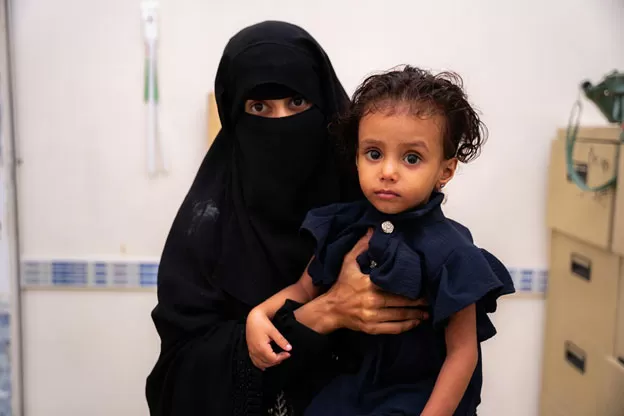
For the past decade, Yemen has been at the center of a severe and multifaceted humanitarian crisis. The country has been ravaged by widespread violence between various Middle Eastern actors, leading to widespread civilian displacement, economic decline, and the collapse of essential services that serve as lifelines for displaced communities. As the crisis has intensified in recent months, humanitarian agencies are facing unprecedented challenges in providing aid and support to the people of Yemen.
The situation in Yemen is dire, with millions of people in need of urgent humanitarian assistance. The ongoing conflict has resulted in the displacement of over 3.6 million people, leaving them without access to basic necessities such as food, water, and shelter. The country’s healthcare system has also been severely affected, with many hospitals and clinics destroyed or unable to function due to the ongoing violence. This has left the population vulnerable to diseases and illnesses, with children and pregnant women being the most at risk.
The economic decline in Yemen has further exacerbated the crisis. The country’s currency has significantly depreciated, making it difficult for people to afford basic goods and services. This has led to a sharp increase in food prices, leaving many families struggling to feed themselves. The lack of job opportunities has also forced many Yemenis to resort to extreme measures to survive, such as child labor and early marriage.
The collapse of essential services, such as water and sanitation, has also had a devastating impact on the people of Yemen. With many water systems damaged or destroyed, access to clean water has become a luxury for most Yemenis. This has resulted in the spread of waterborne diseases, further adding to the already dire health situation in the country. The lack of proper sanitation facilities has also led to the contamination of water sources, making it even more challenging to access clean water.
In the face of these challenges, humanitarian agencies have been working tirelessly to provide aid and support to the people of Yemen. Despite the ongoing conflict and the many obstacles they face, these agencies have continued to deliver life-saving assistance to those in need. They have been providing food, water, shelter, and healthcare services to millions of Yemenis, ensuring that they have access to the basic necessities for survival.
However, the humanitarian response in Yemen is severely underfunded. The United Nations’ 2021 Humanitarian Response Plan for Yemen is only 50% funded, leaving a significant gap in the resources needed to address the crisis. This lack of funding has severely limited the ability of humanitarian agencies to reach all those in need and provide them with the necessary assistance.
In addition to the challenges posed by the ongoing conflict and the lack of funding, humanitarian agencies also face significant security risks in Yemen. Aid workers are often targeted and face threats to their safety, making it difficult for them to reach those in need in some areas of the country. This has further hindered the delivery of aid and has put the lives of aid workers at risk.
Despite these challenges, humanitarian agencies remain committed to providing aid and support to the people of Yemen. They continue to work tirelessly to reach those in need and provide them with the necessary assistance. However, they cannot do it alone. The international community must step up and provide the necessary funding to address the crisis in Yemen. It is crucial to ensure that humanitarian agencies have the resources they need to reach all those in need and provide them with life-saving assistance.
Moreover, a long-term solution to the crisis in Yemen is needed. The ongoing conflict must come to an end, and a sustainable peace agreement must be reached. This will not only help alleviate the suffering of the Yemeni people but also create a conducive environment for the country’s reconstruction and development.
In conclusion, the humanitarian crisis in Yemen is one of the most severe in the world, with millions of people in need of urgent assistance. The ongoing conflict, economic decline, and collapse of essential services have left the population vulnerable and in dire need of aid. Humanitarian agencies are working tirelessly to provide assistance, but they need the support of the international community to continue their life-saving work. It is time for the world to come together and stand in solidarity with the people of Yemen, to help them rebuild their lives and their country.
