


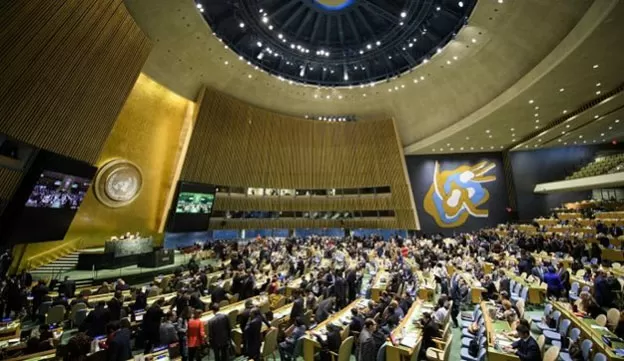
The United Nations General Assembly (UNGA) is the largest and most representative body within the United Nations, bringing together all 193 member states to discuss and address global issues. However, as early as 1949, the UNGA recognized the need to improve its working methods due to the increasing length of sessions and the tendency towards prolonged debates. This led to the development of a more efficient and effective system, with legendary Ambassador Samir Shihabi of Saudi Arabia playing a crucial role as President of the General Assembly.
Ambassador Shihabi’s leadership during his tenure as President of the UNGA in 1979-1980 left a lasting impact on the working methods of the General Assembly. He was a visionary leader who recognized the importance of streamlining the UNGA’s processes and promoting a culture of cooperation and collaboration among member states.
One of the key achievements of Ambassador Shihabi was the establishment of the Preparatory Committee (PREPCOM) for the General Assembly. This committee was tasked with the responsibility of preparing draft resolutions and reports for the General Assembly, reducing the burden on member states and allowing for more focused and concise discussions during the sessions. This innovative approach not only saved time but also fostered a more productive and efficient working environment.
Furthermore, Ambassador Shihabi introduced the use of informal consultations and open-ended working groups to address complex and sensitive issues. This enabled member states to engage in informal, off-the-record discussions, which proved to be a more conducive environment for reaching consensus on difficult matters.
In addition, Ambassador Shihabi played a vital role in promoting transparency and inclusivity within the UNGA. He encouraged the participation of non-governmental organizations (NGOs) and civil society in the General Assembly’s work, recognizing that their contributions and expertise are invaluable in addressing global challenges. This opened up new avenues for dialogue and collaboration, making the UNGA a more inclusive and representative body.
Ambassador Shihabi also sought to enhance the General Assembly’s role in conflict resolution and peacekeeping. He initiated the establishment of a Committee on Peaceful Uses of Outer Space, which aimed to promote international cooperation in the peaceful use of outer space and prevent its militarization. This committee continues to play a crucial role in addressing potential threats to global peace and security.
Ambassador Shihabi’s leadership during his presidency also saw a significant increase in the number of special sessions and emergency special sessions held by the General Assembly. These sessions allowed for swift and decisive action to be taken on urgent global issues, demonstrating the UNGA’s ability to respond promptly to emerging crises.
In conclusion, Ambassador Shihabi’s visionary leadership and dedication to improving the working methods of the UNGA have left a lasting impact on the organization. His efforts have led to a more efficient, transparent, and inclusive General Assembly, better equipped to address the complex challenges facing the world today. As we celebrate the 75th anniversary of the UNGA, we must remember and honor the contributions of leaders like Ambassador Shihabi who have paved the way for a more effective and united United Nations.
