


In a new global synthesis report released by the United Nations High Commissioner for Refugees (UNHCR), it has been warned that reductions in humanitarian footprints could have a detrimental effect on the refugee protection system. The report, along with voices from refugees in East Africa and the Middle East, highlights the urgent need for continued support and assistance for displaced individuals.
According to the report, the number of forcibly displaced people around the world continues to rise, with over 80 million people currently displaced due to conflict, persecution, and other factors. This alarming figure highlights the importance of maintaining a strong and effective refugee protection system.
However, recent years have seen a trend towards reductions in the humanitarian footprints of many countries. This means that there has been a decrease in the number of spaces available for refugees to seek safety and assistance. This reduction has been particularly evident in wealthy countries, where there has been a growing reluctance to accept refugees and provide the necessary support for them.
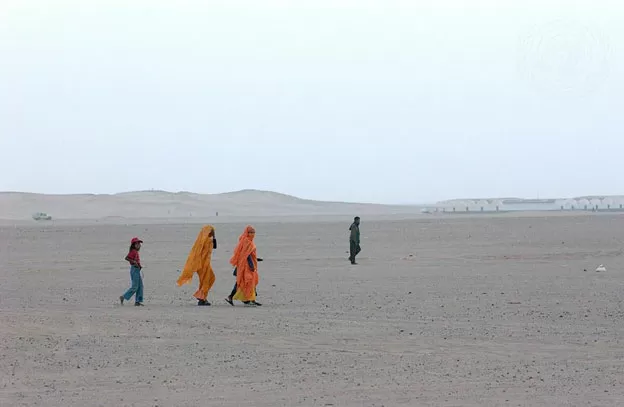
The consequences of these reductions are clearly evident in refugee camps in East Africa and the Middle East. In these regions, where millions of people have sought refuge, overcrowding, lack of resources, and inadequate living conditions have become major challenges. This has not only affected the physical well-being of refugees but also their mental health and overall quality of life.
The global synthesis report highlights the voices of refugees from these regions, who have shared their experiences and struggles. Many of them have expressed their concerns and fears about the future, as they face limited resources and a lack of support. One refugee from Syria stated, “We already feel like we are living in a big prison. If the humanitarian support reduces, what will happen to us?”
These voices serve as a powerful reminder of the vital role that humanitarian footprints play in the lives of refugees. These footprints not only provide essential aid but also offer a sense of hope and stability for those who have been forced to flee their homes.
Moreover, the reduction in humanitarian footprints also has a ripple effect on the overall refugee protection system. It not only affects the refugees themselves but also the host countries and communities who bear the burden of accommodating and supporting them. This can lead to increased tensions and strain on the limited resources of these countries, further exacerbating the already dire situation.
Therefore, it is crucial that countries, particularly those with the capacity to do so, continue to step up and provide support for refugees. This includes not only accepting them into their borders but also providing adequate resources and assistance for their well-being.
The global synthesis report stresses the importance of a coordinated and global response to the refugee crisis. It calls for increased solidarity and responsibility-sharing among countries to ensure a strong and effective refugee protection system. This includes providing financial support to countries hosting large numbers of refugees and promoting solutions such as resettlement and local integration.
In addition, the report also highlights the need for long-term solutions, including addressing the root causes of displacement, promoting peace and stability, and investing in education and livelihood opportunities for refugees.
It is clear that reductions in humanitarian footprints risk breaking the already fragile refugee protection system. It is up to governments and individuals to take action and ensure that the rights and well-being of refugees are protected and supported. As the UNHCR report states, “We cannot afford to fail the millions of refugees around the world who are counting on us for protection and support.”
In conclusion, the new global synthesis report and the voices of refugees from East Africa and the Middle East serve as a stark reminder of the urgent need for continued support for refugees. By maintaining strong humanitarian footprints and working towards long-term solutions, we can ensure that the rights and dignity of refugees are upheld, and the refugee protection system remains intact. Let us all come together to show compassion and solidarity towards those who have been forced to flee their homes, and make a positive impact in their lives.
