


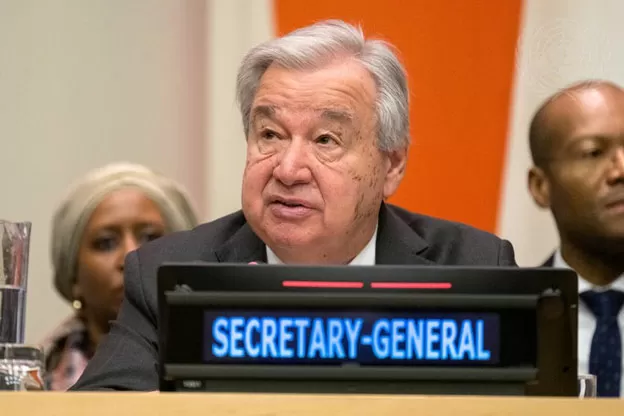
2025 has been a year of great challenges for humanitarian aid operations. As the world continues to grapple with conflicts, environmental disasters, and economic crises, the need for humanitarian assistance has never been greater. However, despite the growing demand, global aid budgets have experienced record declines in funding. This has left humanitarian organizations struggling to meet the needs of the world’s most vulnerable communities.
The year 2025 has been marked by a series of devastating events that have put a strain on global emergency funds. From the ongoing conflict in Syria to the devastating effects of climate change, the demand for humanitarian aid has been overwhelming. Yet, the resources available in global emergency funds have fallen far short of these rapidly growing needs.
One of the main reasons for this decline in funding is the global economic downturn. As countries around the world face financial challenges, many have been forced to cut their aid budgets. This has had a direct impact on humanitarian organizations, who rely on these funds to provide life-saving assistance to those in need.
In addition to the economic challenges, the year 2025 has also seen a rise in conflicts and natural disasters. These events have not only caused immense suffering for those directly affected, but they have also put a strain on humanitarian resources. With limited funds available, organizations have been forced to make difficult decisions about where to allocate their resources, leaving many vulnerable communities without the assistance they desperately need.
The consequences of these funding cuts have been devastating. In 2025 alone, millions of people have been left without access to food, shelter, and medical care. Children have been forced to drop out of school, and families have been torn apart as they struggle to survive in the face of unimaginable challenges.
As we look towards 2026, it is clear that urgent action is needed to address the funding crisis in humanitarian aid. The world cannot afford to turn a blind eye to the suffering of those in need. We must come together as a global community to find solutions and ensure that humanitarian organizations have the resources they need to continue their life-saving work.
First and foremost, governments must prioritize humanitarian aid in their budgets. It is crucial that aid funding is not seen as an optional expense, but rather a necessary investment in the well-being of our world. Governments must also work together to find innovative ways to increase funding, such as through public-private partnerships and debt relief for developing countries.
In addition, it is essential that the private sector and individuals also play a role in supporting humanitarian aid. Companies can contribute through corporate social responsibility initiatives, while individuals can make a difference by donating to reputable humanitarian organizations.
Furthermore, it is crucial that we address the root causes of conflicts and disasters. By investing in conflict prevention and disaster risk reduction, we can reduce the need for humanitarian aid in the long run. This will not only save lives but also save resources that can be directed towards other pressing needs.
Finally, it is essential that we continue to prioritize the most vulnerable communities in our humanitarian efforts. Women, children, and marginalized groups are often the most affected by crises and require special attention and support. By focusing on their needs, we can ensure that no one is left behind in our efforts to provide humanitarian aid.
Despite the challenges faced in 2025, there is still hope for the future. The global community has shown time and time again that when we come together, we can overcome even the most difficult challenges. As we look towards 2026, let us renew our commitment to supporting humanitarian aid and building a more resilient world for all. Together, we can make a positive impact and create a better future for generations to come.
