


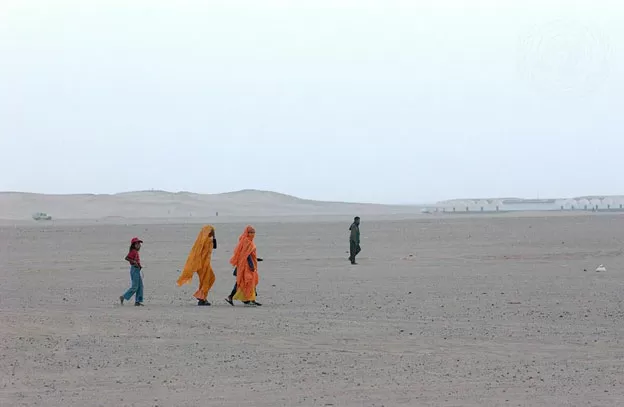
A new global synthesis report and refugee voices from East Africa and the Middle East have issued a warning that reductions in humanitarian footprints could lead to a breaking of the refugee protection system. The report, which was released by the United Nations High Commissioner for Refugees (UNHCR), highlights the critical role of humanitarian aid in protecting and supporting refugees in these regions.
The report, titled “Humanitarian Footprints and Refugee Protection: A Global Synthesis,” is a comprehensive analysis of the current state of refugee protection and the impact of humanitarian aid in East Africa and the Middle East. It brings together the voices of refugees, humanitarian organizations, and government officials to paint a clear picture of the challenges faced by refugees and the crucial role played by humanitarian aid.
According to the report, the reduction in humanitarian footprints, which refers to the presence and activities of humanitarian organizations in a particular area, could have a devastating effect on the lives of refugees. This is especially true in East Africa and the Middle East, where millions of people have been forced to flee their homes due to conflict, persecution, and other forms of violence.
The report highlights the fact that humanitarian aid not only provides essential services such as food, shelter, and healthcare to refugees, but it also plays a crucial role in protecting their rights and ensuring their safety. In addition, humanitarian organizations also work towards finding durable solutions for refugees, including voluntary repatriation, resettlement, and local integration.
However, the reduction in humanitarian footprints is a growing concern in these regions. As funding for humanitarian aid continues to decline, many organizations are forced to scale back their operations, reducing their presence and impact on the ground. This has a direct impact on the lives of refugees, who are already facing immense challenges in their daily lives.
Moreover, the report also highlights the fact that the reduction in humanitarian footprints could lead to a breakdown of the refugee protection system. With fewer organizations on the ground, refugees may not have access to the necessary support and services, leaving them vulnerable to exploitation, violence, and other forms of abuse.
The voices of refugees from East Africa and the Middle East further reinforce the findings of the report. They share their personal stories of how humanitarian aid has helped them and their families survive in the face of unimaginable hardships. Without this support, they fear for their safety and the future of their children.
The report and the voices of refugees serve as a wake-up call to the international community. It is a reminder that the refugee protection system is fragile and must be supported and strengthened. As the number of refugees continues to rise globally, it is crucial that humanitarian aid is not only maintained but increased to meet the growing needs of those affected by displacement.
In response to the report, the UNHCR is calling for increased support and funding for humanitarian aid in East Africa and the Middle East. It is also urging governments to uphold their responsibility to protect refugees and ensure their rights are respected.
The global community must also recognize the important role played by humanitarian organizations and support their efforts to provide lifesaving assistance to refugees. Without this support, the consequences could be dire, not only for refugees but for the stability and security of the entire region.
In conclusion, the new global synthesis report and refugee voices from East Africa and the Middle East serve as a powerful reminder of the critical role of humanitarian aid in protecting and supporting refugees. It is a call to action for governments, organizations, and individuals to come together and ensure that the refugee protection system remains intact and that those who are forced to flee their homes receive the support and protection they desperately need. Let us not allow the reduction in humanitarian footprints to break the system that provides a lifeline to millions of vulnerable refugees.
