


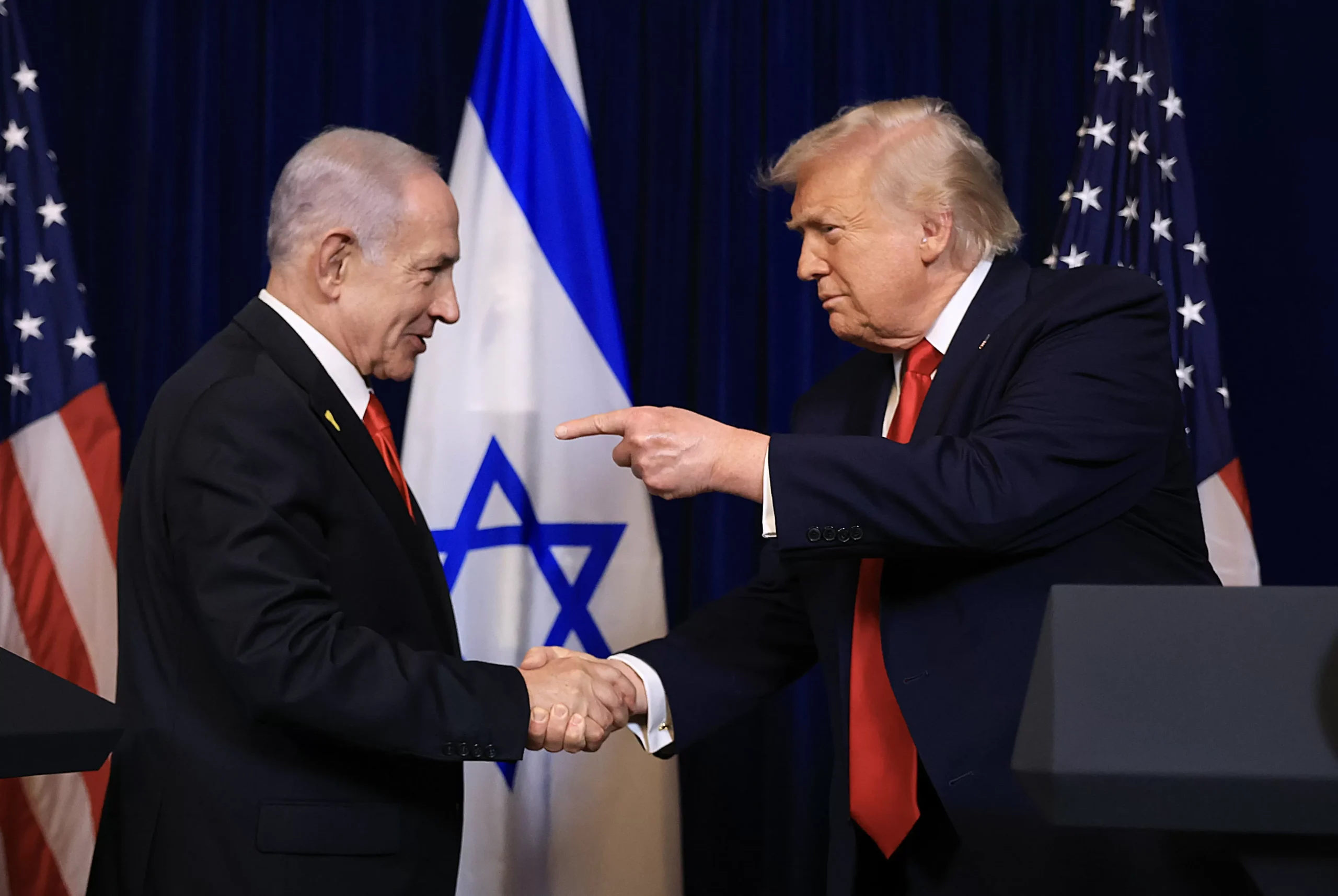
On December 29, 2025, US President Donald Trump and Israeli Prime Minister Benjamin Netanyahu met for a press conference at Trump’s Mar-a-Lago club in Palm Beach, Florida. The two leaders discussed the ongoing Israel-Gaza conflict and the progress of the Gaza peace plan, which was adopted in October of that year.
During the press conference, President Trump made two major claims about the conflict and the peace plan. However, upon closer scrutiny, these claims do not hold up. Let’s take a closer look at the real impact of the Biden administration and when the second phase of the Gaza peace plan could realistically begin.
Firstly, President Trump claimed that his team, including Steve Witkoff, Jared Kushner, and others, were responsible for the release of “just about every hostage” held by Hamas. This claim is simply not true. In fact, it was the Biden administration that pushed for the release of 138 hostages through a series of deals. Additionally, Hamas had already released several hostages before Trump’s ceasefire deal was even in place. The only remaining hostage is the body of one Israeli citizen, which is a key part of the ceasefire agreement.
Secondly, President Trump repeatedly insisted that the second phase of the Gaza peace plan should begin as soon as possible, and that there would be “hell to pay” for Hamas if they did not disarm. However, according to former UK National Security Adviser Lord Ricketts, the second phase is “nowhere near ready to being implemented.” This phase includes the disarmament of Hamas, the establishment of a Palestinian technocratic committee, an international stabilisation border force, and a Trump-chaired Board of Peace. None of these elements are currently in place, and it is unlikely that they will be anytime soon.
Lord Ricketts also pointed out that the Israelis are not willing to withdraw from Gaza at this time, creating a “circular problem” in the peace plan. This highlights the performative nature of the friendship between Trump and Netanyahu, as not much progress has been made in stabilizing the situation in Gaza.
It is important to note that the Gaza peace plan is not a true peace deal. As BBC Middle East expert Jeremy Bowen explains, the Palestinians do not see it as a viable solution to the conflict. And as Lord Ricketts stated, the plan is not ready to be implemented and lacks support from key players in the region.
In conclusion, while President Trump may have touted his impact on the Israel-Gaza conflict and the Gaza peace plan, the reality is that progress has been minimal. The Biden administration has played a significant role in securing the release of hostages, and the second phase of the peace plan is far from being implemented. It is crucial for all parties involved to work towards a sustainable and lasting solution for the Israel-Gaza conflict, rather than relying on performative gestures and false claims of progress.
