

With the start of the new year comes a slate of new laws that will take effect in states across the country. From addressing economic and environmental issues, these laws aim to bring positive change and progress to their respective states. As we enter 2026, let’s take a closer look at four noteworthy laws that will impact citizens and visitors alike.
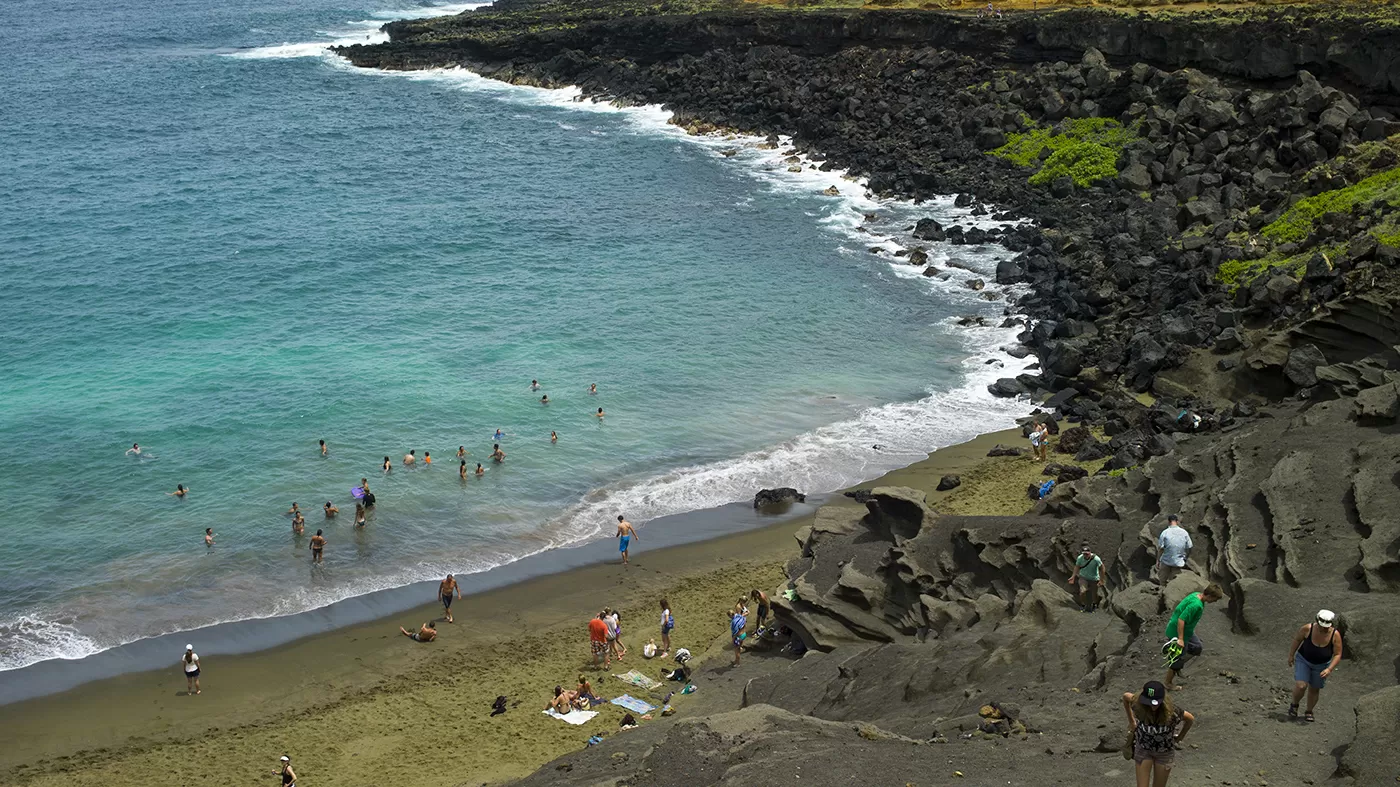
Starting in Hawaii, visitors to the tropical paradise will now have to pay a tax to help preserve the natural beauty of the islands. This new tax, which will go into effect on January 1, is part of the state’s efforts to address conservation and sustainability. The tax, which is being called the “sustainable tourism fee”, will be applied to all visitors staying at hotels and resorts. The fee is expected to generate millions of dollars in revenue, which will go towards protecting and preserving Hawaii’s fragile ecosystems. While this may seem like an inconvenience to tourists, it is a necessary step in ensuring the long-term conservation of the island’s natural wonders. So, if you’re planning a trip to Hawaii, make sure to factor in this new tax into your budget and know that you’ll be contributing to the preservation of the island’s beautiful landscapes.
Moving over to California, where the minimum wage is set to increase by $0.40 per hour on January 1. This wage hike will bring the state’s minimum wage to $15 per hour, making it the highest in the country. This increase is part of a gradual plan to raise the minimum wage to $15 per hour by 2022. The aim of this law is to help workers keep up with the rising cost of living and provide them with a better standard of living. It is a step towards reducing income inequality and ensuring that hardworking individuals are able to earn a fair wage. With this increase, millions of workers in California will see a positive impact on their livelihoods, allowing them to better provide for themselves and their families. This is a win for both employees and employers, as a happy and satisfied workforce leads to better productivity and success for businesses.
Moving further east, New York is set to implement a groundbreaking new law that will make it the first state in the country to guarantee paid time off for all. Starting January 1, all full-time and part-time employees in New York will be entitled to a minimum of seven days of paid sick leave per year. This law aims to provide workers with job security and financial stability when they need to take time off for illness, caregiving or other personal reasons. This is a major victory for workers’ rights and is a step towards creating a more equitable and fair working environment. This law will not only benefit workers, but also their families and the larger community as a whole. It shows that the state of New York values the wellbeing and rights of its citizens, and sets a precedent for other states to follow suit.
Finally, in Maine, a new law will go into effect that will make the state the first in the country to ban single-use plastic bags. This law, which will take effect on January 1, aims to reduce the impact of plastic pollution on the environment. The law prohibits stores from providing single-use plastic bags to customers at checkout, instead encouraging the use of reusable bags. This is a significant step towards reducing the amount of plastic waste that ends up in landfills and oceans, and will help protect marine life and ecosystems. It also promotes sustainable and responsible consumer habits, showing that small changes like bringing your own reusable bag can have a big impact on the environment.
In conclusion, the new laws going into effect in various states starting January 1, 2026, bring with them progressive and positive changes. From addressing conservation and sustainability, to promoting worker’s rights and protecting the environment, these laws show that states across the country are taking steps towards a better and brighter future. So, as we enter the new year, let’s welcome these changes with open arms and embrace the positive impact they will have on our communities and our planet.
