


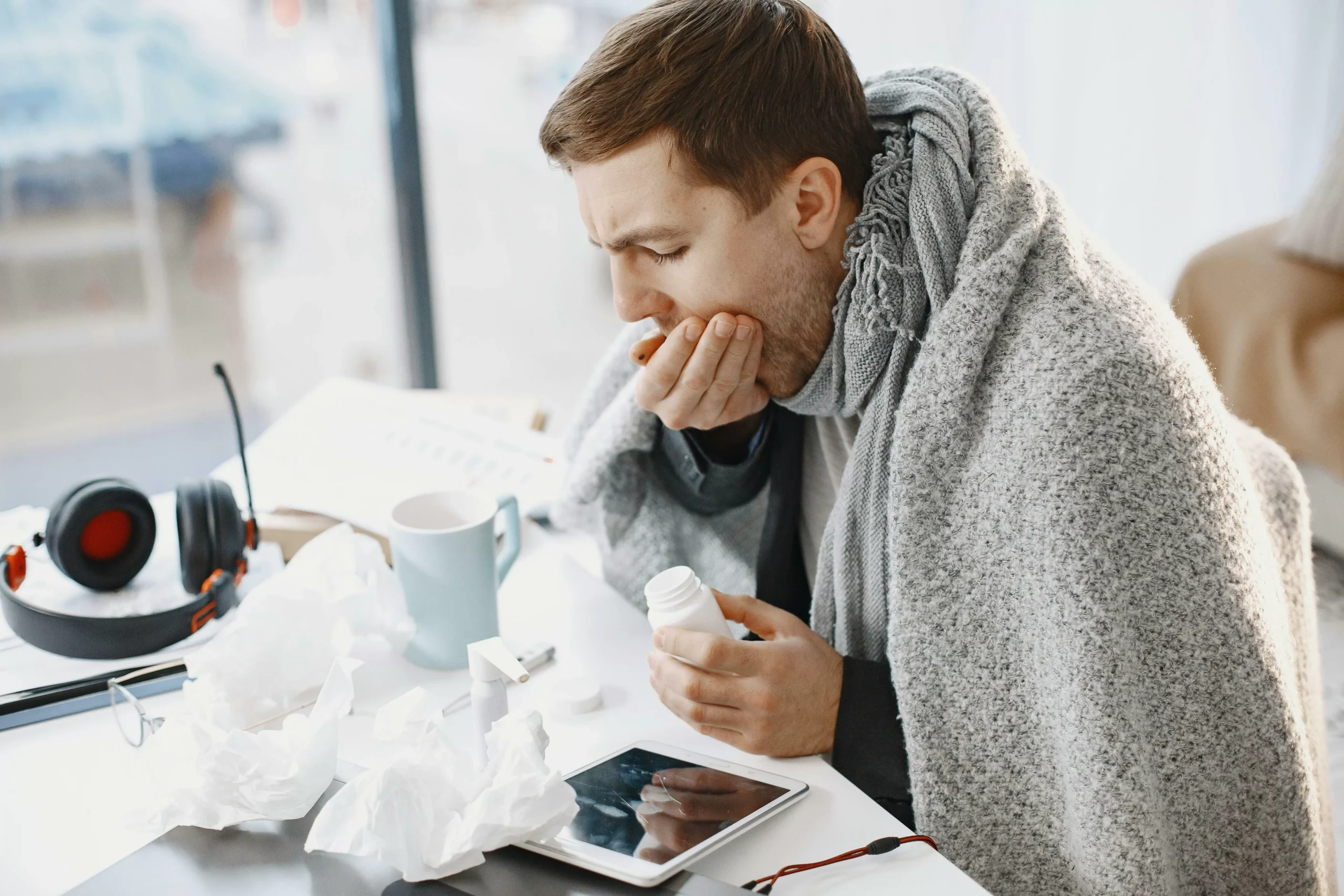
As I sit here with a box of tissues by my side and a mug of hot tea in hand, I can’t help but wonder why I, and seemingly everyone around me, always seem to get sick during the winter months. It’s a common occurrence, yet it never fails to leave us feeling miserable and longing for some sympathy. But why does this happen? Why are we more susceptible to sickness during winter?
Firstly, let’s address the misconception that the cold weather itself causes us to get sick. Contrary to popular belief, it’s not the temperature that makes us ill. In fact, it’s the weakened state of our bodies during these chilly months that makes us more prone to catching a cold or flu.
According to healthcare provider Bupa, our immune systems are responsible for protecting us from disease. However, during winter, our bodies naturally weaken, making it harder for our immune systems to fight off viruses. This is due to a combination of factors such as reduced sunlight exposure, which leads to lower production of vitamin D in the skin. Vitamin D plays a crucial role in regulating immune function, and low levels are associated with weaker immune responses.
But it’s not just the lack of vitamin D that makes us more susceptible to sickness. The cold and dry conditions of winter can also affect the mucus and cilia lining our nose and throat, making them less efficient in trapping and removing viruses from our airways. This, coupled with spending more time indoors in close contact with others, creates the perfect environment for viruses to spread.
In addition to this, the dry air in indoor spaces, caused by indoor heating, can also contribute to the spread of viruses. Studies have found that viruses survive longer and spread more easily in cold, dry air. So, not only are we more likely to come into contact with viruses during winter, but the conditions also make it easier for them to spread.
So, what can we do to protect ourselves and others against cold and flu during winter? The UK Health and Security Agency (UKHSA) recommends getting vaccinated if you are eligible. This is especially important for those who are more vulnerable, such as young children, the elderly, and those with underlying health conditions.
If you are feeling unwell, it’s important to stay at home and avoid contact with others to prevent the spread of viruses. If you do need to go out, the UKHSA advises wearing a mask to protect others. Opening a window for fresh air can also help to reduce the concentration of viruses in indoor spaces, but make sure to keep the room temperature comfortable for everyone.
Practicing good hygiene is also crucial in preventing the spread of viruses. This includes coughing into your bent elbow or using a tissue and disposing of it afterwards. Washing your hands frequently with warm water and soap is also essential, as well as cleaning frequently touched surfaces such as door handles.
It’s also important to take care of your overall health during winter. Eating a balanced diet, staying hydrated, and getting enough rest can help to keep your immune system strong and better equipped to fight off viruses.
In conclusion, it’s not the cold weather itself that makes us sick during winter, but rather the weakened state of our bodies and the conditions that make it easier for viruses to spread. By taking care of ourselves and following the recommendations of healthcare professionals, we can protect ourselves and others from cold and flu and hopefully make it through the winter season without too many sniffles and sneezes. So, stay warm, stay healthy, and don’t forget to wash your hands!
