


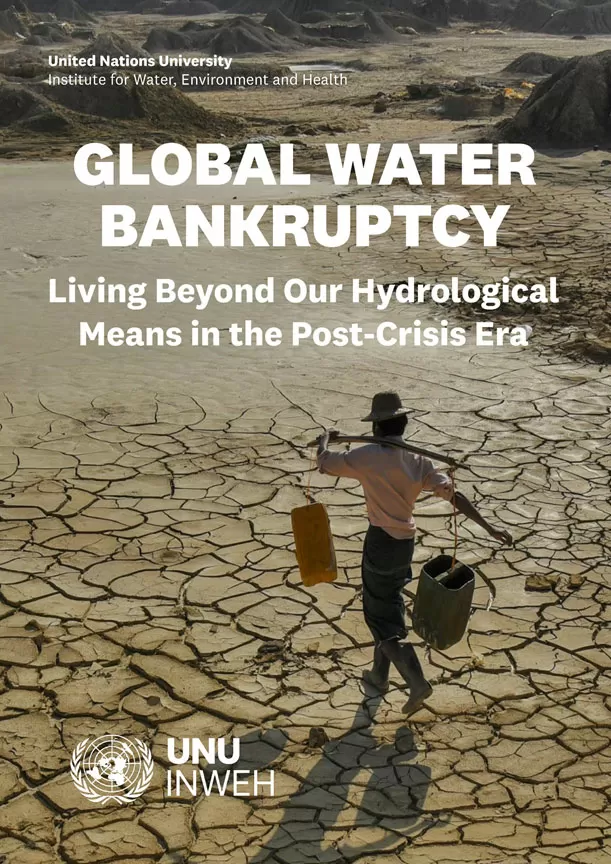
The world is facing a crisis that is often overlooked and underestimated – water bankruptcy. This term may sound unfamiliar, but its implications are far-reaching and alarming. In many basins and aquifers, overuse and degradation have reached a point where restoring past hydrological and ecological baselines is no longer a viable option. This means that the world is already in a state of water bankruptcy, and urgent action is needed to address this pressing issue.
Water is a vital resource that sustains life on our planet. It is essential for agriculture, industry, and domestic use. However, the demand for water has been steadily increasing due to population growth, urbanization, and economic development. This has put immense pressure on our water resources, leading to overexploitation and depletion. As a result, many basins and aquifers have reached a critical point where the demand for water far exceeds its natural replenishment rate.
The consequences of water bankruptcy are severe and far-reaching. It not only affects the availability of water for human consumption but also has a significant impact on the environment and the economy. In many parts of the world, water scarcity has led to conflicts and social unrest, as communities fight for their basic right to access water. It has also resulted in the displacement of people, as they are forced to migrate in search of water.
Moreover, the degradation of water resources has a detrimental effect on the environment. Rivers, lakes, and groundwater sources are essential for maintaining the balance of ecosystems and supporting biodiversity. However, overuse and pollution have caused irreversible damage to these vital water bodies, leading to the loss of biodiversity and disruption of ecological processes.
The problem of water bankruptcy is not limited to a few regions or countries. It is a global issue that affects us all. The interconnectedness of our world through trade, migration, and climate change means that the consequences of water bankruptcy in one region can have a ripple effect on others. For instance, the depletion of groundwater in one country can lead to a decrease in food production, which can then impact food security in other countries that rely on imports.
The good news is that it is not too late to address this crisis. While some basins and aquifers have crossed the threshold of water bankruptcy, there are still many others that can be saved with timely and effective management strategies. This requires a collective effort from governments, businesses, and individuals to prioritize sustainable water use and conservation.
Governments play a crucial role in managing water resources, as they are responsible for setting policies and regulations. They must prioritize the sustainable use of water and ensure that it is allocated equitably among different sectors. This includes investing in infrastructure for water storage, treatment, and distribution, as well as promoting efficient irrigation techniques and water-saving technologies.
Businesses also have a significant role to play in addressing water bankruptcy. As major consumers of water, they must adopt sustainable practices and technologies to reduce their water footprint. This can include implementing water recycling and reuse systems, as well as investing in renewable energy sources to reduce their reliance on water-intensive processes.
Individuals can also contribute to conserving water by making simple changes in their daily lives. This can include turning off the tap while brushing teeth, fixing leaks, and opting for water-efficient appliances. Moreover, we must also be mindful of our water consumption patterns and make an effort to reduce our overall water usage.
In addition to these efforts, there is a need for increased investment in research and innovation to find new solutions for managing and conserving water resources. This can include developing new technologies for desalination, rainwater harvesting, and water treatment. It is also essential to raise awareness about the importance of water conservation and the consequences of water bankruptcy among the general public.
In conclusion, the world is already in a state of water bankruptcy, and urgent action is needed to address this crisis. While some basins and aquifers have reached a point of no return, there is still hope for others. We must work together to prioritize sustainable water management and conservation to ensure a secure and prosperous future for all. Let us not wait for the situation to worsen, but take action now to secure our most precious resource – water.
