


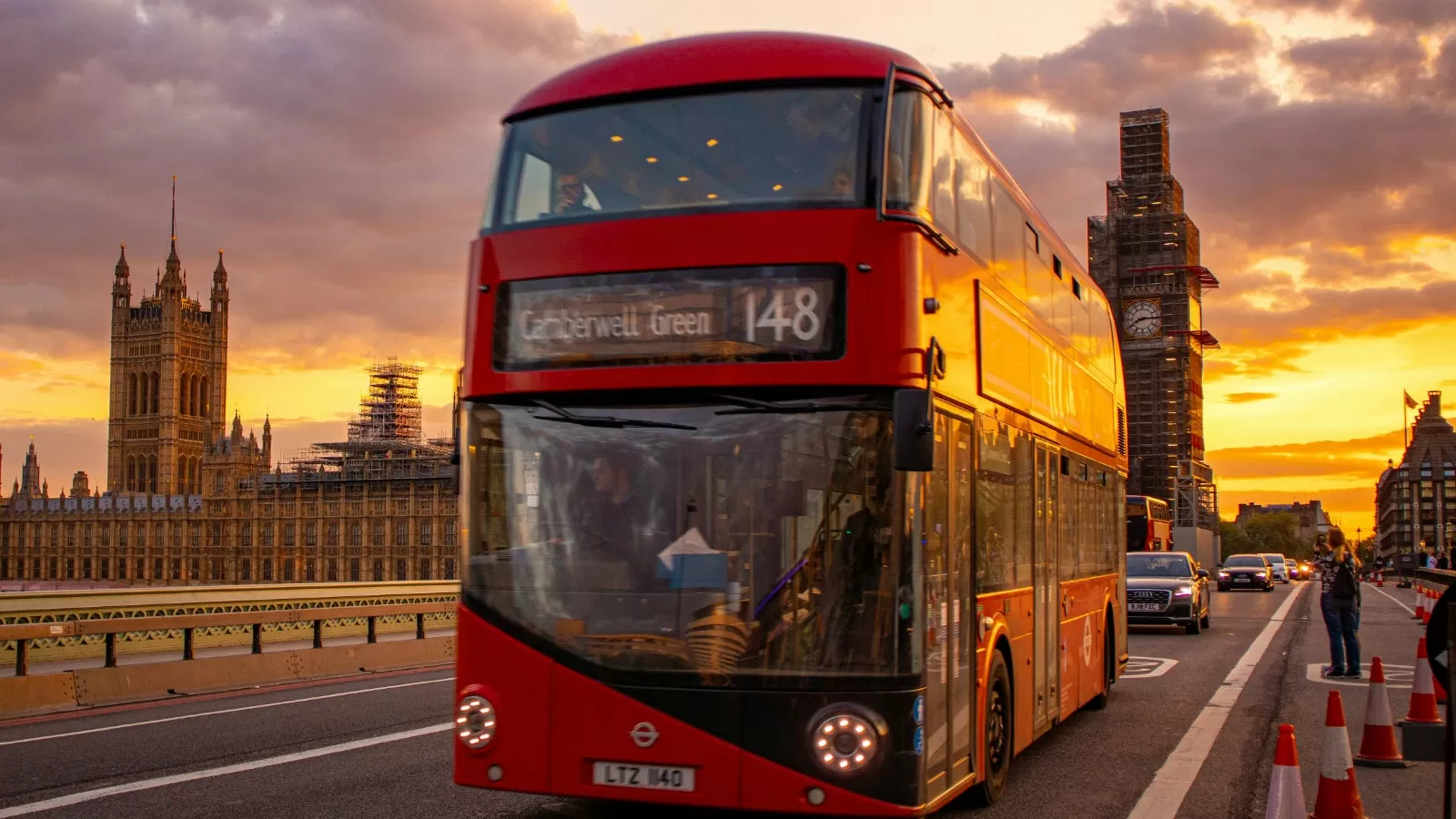
As the last Sunday of March approaches, the UK prepares for the annual ritual of moving the clocks forward by one hour at 1am. This marks the start of British Summer Time (BST) and brings with it the promise of longer, sunnier days. But when exactly can we expect those coveted 8pm sunsets?
This year, the clocks will jump forward on Sunday, 29 March. This means that sunsets will begin an hour earlier than usual, as the summer sun reaches us. As the season progresses, the sunsets will gradually start later, giving us more time to enjoy the warm evenings.
But the question remains, when will we finally have 8pm sunsets again? The answer depends on where you live in the UK. Different parts of the country will experience 8pm sunsets on different dates, depending on their location in relation to the sun’s rays of light.
For example, Fermanagh in Northern Ireland is expected to have an 8pm sunset on the day the clocks change (29 March). Other areas will have to wait a bit longer. According to Time Out, the dates for 8pm sunsets in major cities are as follows: Edinburgh on April 6, Cardiff on April 10, Birmingham on April 12, and London on April 17. This means that Londoners will have to wait more than two weeks after the clocks change for longer evenings to settle in.
But why do we have daylight saving time in the first place? BST is also known as daylight saving time and it didn’t exist until 1916, even though it had been proposed by people like Benjamin Franklin as far back as 1784. It was builder William Willett who heavily advocated for it, as he was frustrated to see people “wasting” summer morning light by sleeping through early sunrises. Eventually, MP Robert Pearce took notice and Germany adopted the policy first, with the UK following suit weeks later.
While daylight saving time may seem like a harmless tradition, some research suggests that it may have negative effects on our health. Studies have shown that car accidents and heart attacks increase after the time change. In fact, the European Parliament has backed a proposal to scrap daylight saving time, and the Royal Society for the Prevention of Accidents has also called for its elimination multiple times.
Despite the potential drawbacks, many people still look forward to the start of BST and the longer, brighter days it brings. It’s a time to shed our winter coats and embrace the warmth of the sun. So, as we set our clocks forward and eagerly await those 8pm sunsets, let’s remember to enjoy the extra daylight and make the most of the summer season.
