

“The ocean’s health is humanity’s health,” said UN Secretary-General Antonio Guterres in September 2025. These words echoed around the world as the High Seas Treaty (BBNJ) finally achieved ratification. Guterres went on to call for “a swift, full implementation” from all partners, emphasizing the urgency of the situation. And now, as of January 17, 2026, the treaty has come into force, marking a significant step towards protecting our oceans and securing a healthier future for all.
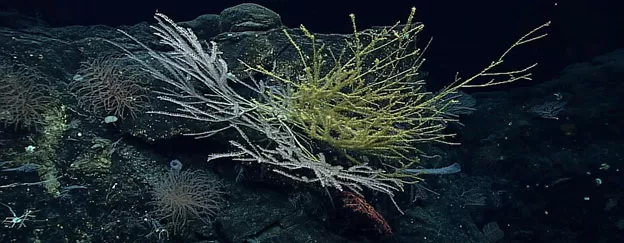
The High Seas Treaty, also known as the BBNJ (Biodiversity Beyond National Jurisdiction) treaty, is a landmark agreement that aims to conserve and sustainably use marine biodiversity in areas beyond national jurisdiction. These are the vast expanses of the ocean that lie outside the jurisdiction of any single country, making up nearly half of the Earth’s surface. These areas are home to a diverse array of marine life, from tiny plankton to majestic whales, and play a crucial role in regulating our planet’s climate and providing resources for human well-being.
For years, the health of our oceans has been in decline due to overfishing, pollution, and the impacts of climate change. The need for a global agreement to protect these vital areas has become increasingly urgent, and the High Seas Treaty is the result of years of negotiations and collaboration between governments, scientists, and civil society organizations.
The treaty sets out a framework for the conservation and sustainable use of marine biodiversity in the high seas, including measures to prevent and reduce pollution, regulate fishing activities, and promote the sharing of benefits from marine genetic resources. It also establishes a mechanism for the creation of marine protected areas and the management of marine genetic resources, ensuring that these areas are managed in a way that benefits both the environment and the people who depend on it.
The ratification of the High Seas Treaty is a significant achievement, and its entry into force is a cause for celebration. It is a testament to the power of international cooperation and the determination of all parties involved to protect our oceans for future generations. But now, the real work begins – the implementation of the treaty.
The implementation of the High Seas Treaty will require a collective effort from all stakeholders, including governments, international organizations, and the private sector. It will require a shift in mindset, from viewing the ocean as an endless resource to recognizing its finite nature and the need to protect it for the long term. It will also require innovative solutions and technologies to address the challenges facing our oceans, such as plastic pollution and overfishing.
But the benefits of a healthy ocean are immeasurable. Not only does it provide us with food, livelihoods, and recreation, but it also plays a crucial role in regulating our climate and providing oxygen for the planet. The health of our oceans is directly linked to our own health and well-being. As Guterres stated, “The ocean’s health is humanity’s health.”
The High Seas Treaty is a crucial step towards securing a sustainable future for our oceans and for humanity. But it is just the beginning. We must continue to work together to ensure its full implementation and to address the ongoing threats to our oceans. This includes reducing our carbon footprint, promoting sustainable fishing practices, and reducing plastic waste. We must also continue to support scientific research and monitoring of our oceans to better understand their complex ecosystems and how we can protect them.
In conclusion, the entry into force of the High Seas Treaty is a cause for hope and optimism. It is a reminder that when we come together and take action, we can achieve great things. Let us use this momentum to continue our efforts towards a healthier ocean and a healthier planet for all. As Guterres said, “The time for implementation is now.” Let us not waste any more time in securing a better future for our oceans and for ourselves.
