


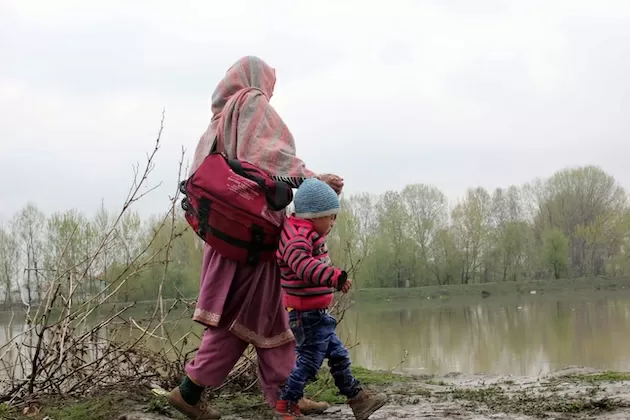
A recent report has revealed a startling statistic – Asia faces approximately 100 natural disasters every year, affecting a staggering 80 million people. Beyond the numbers and figures lie the true impact of these disasters – disrupted lives, damaged homes, and a never-ending cycle of repair that drains communities. This is a harsh reality that cannot be ignored.
Natural disasters have always been a part of the Asian landscape, with the region being prone to earthquakes, typhoons, floods, and other calamities. However, the frequency and intensity of these disasters have increased in recent years, leaving behind a trail of destruction and despair. The consequences are not just limited to loss of life and property, but also have a long-lasting impact on the economic, social, and psychological well-being of the affected communities.
The report, released by the Asian Disaster Preparedness Center (ADPC), sheds light on the gravity of the situation. It highlights the fact that Asia is the most disaster-prone region in the world, with a high concentration of vulnerable populations living in disaster-prone areas. The economic losses caused by these disasters are estimated to be around $675 billion annually, which is equivalent to 2.4% of the region’s GDP. These numbers are alarming and demand immediate attention.
But beyond the statistics, it is the human cost that is the most concerning. Every year, millions of people are forced to flee their homes, leaving behind everything they have worked for. Families are torn apart, livelihoods are destroyed, and the road to recovery is long and arduous. The impact is not just limited to the immediate aftermath of the disaster, but it also has a ripple effect on the future of these communities. Children are unable to attend school, families struggle to make ends meet, and the cycle of poverty and vulnerability continues.
The report also highlights the disproportionate impact of these disasters on the most marginalized and vulnerable communities. Women, children, and the elderly are often the worst affected, as they are more likely to be living in poverty and have limited access to resources and information. This further exacerbates the already dire situation and makes it even more challenging for these communities to recover and rebuild.
The toll of these disasters on the environment is also a cause for concern. The destruction of natural resources, such as forests and water bodies, has a significant impact on the ecosystem and can lead to long-term consequences. This, in turn, affects the livelihoods of communities that rely on these resources for their survival.
It is clear that the current approach to disaster management and preparedness in Asia needs to be re-evaluated. While it is impossible to prevent natural disasters, there are steps that can be taken to mitigate their impact and build resilience in vulnerable communities. This includes investing in early warning systems, disaster risk reduction measures, and promoting sustainable development practices.
The good news is that there are already efforts being made to address these issues. Governments, NGOs, and international organizations are working together to improve disaster preparedness and response in the region. Community-based disaster risk reduction initiatives are also gaining momentum, empowering local communities to take charge of their own safety and well-being.
But more needs to be done. It is crucial for all stakeholders to come together and work towards a common goal – to build a more resilient Asia. This requires a multi-faceted approach that involves not just disaster management agencies, but also the private sector, civil society, and the affected communities themselves. It is only by working together that we can create a safer and more sustainable future for all.
In conclusion, the report may reveal a grim reality, but it also serves as a wake-up call for all of us. We cannot continue to ignore the impact of natural disasters on the lives of millions of people in Asia. It is time to take action and invest in building resilience, not just in infrastructure, but also in the people and communities that are most vulnerable. Let us turn this crisis into an opportunity to create a better, safer, and more sustainable future for all.
