


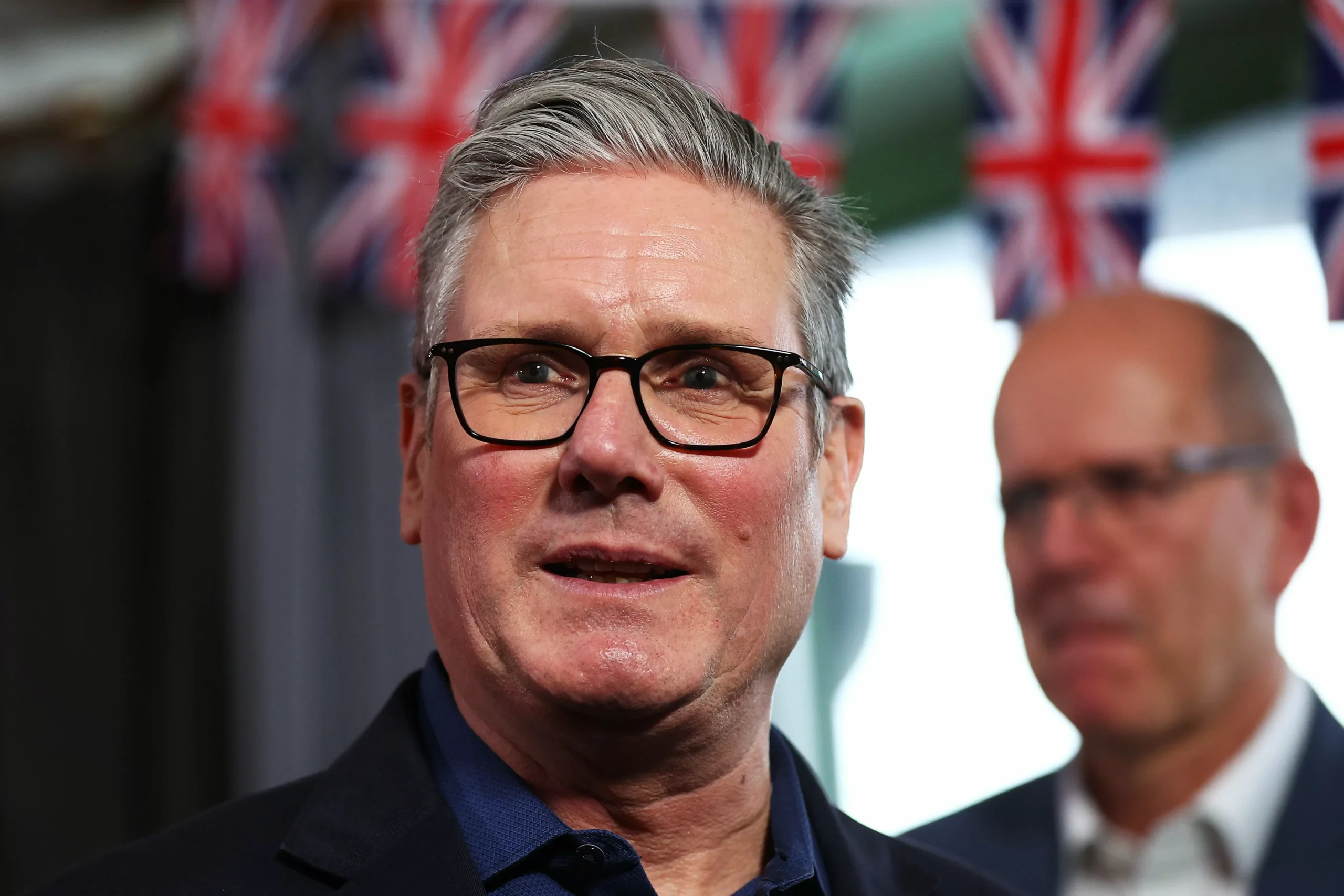
On February 5th, 2026, Britain’s Prime Minister Keir Starmer delivered a powerful speech at Horntye Park Sports Complex in St Leonards-on-Sea, East Sussex, England. After his speech, he took the time to talk with members of the audience, showing his genuine commitment to connecting with the people he serves. This is just one example of how Prime Minister Starmer has established himself as a leader who prioritizes the needs and concerns of the British public.
In a recent interview, Starmer dubbed himself a “common sense merchant” in response to criticism over potential government U-turns. Such speculation emerged after the controversial appointments of Peter Mandelson and Matthew Doyle to high-level positions within the government. Both men have ties to convicted sex offenders, which sparked frustration and outrage among the public.
As a result, Mandelson has resigned from the Labour Party and Doyle has had his party whip suspended. In addition, Starmer’s approval ratings have taken a dip, and his government has faced criticism for several policy U-turns. Many feared that Starmer’s position as Prime Minister was at risk.
However, with determination and resilience, Starmer was able to hold onto his job. Nevertheless, BBC Radio 2 presenter Jeremy Vine reminded the Prime Minister that he may be taking yet another political risk by considering a social media ban for those under the age of 16. This move would be in contrast to Starmer’s initial stance, where he stated that he had no intention of imposing such a ban.
Vine pointed out multiple policy flip-flops during the interview, including the handling of grooming gangs, the measurement of government debt, trans rights, and the two-child benefit cap. He also mentioned issues such as unfair dismissal of new workers, inheritance tax on farmers, and business rates for pubs. Despite this, Starmer maintained his focus on doing what is right for the British people.
In response to Vine’s concerns, Starmer stated that consultation is necessary, as no government in the UK has tackled this issue before. He emphasized his pragmatic approach and his commitment to finding a solution for the safety of under-16s online. Starmer’s main priority is protecting young people from harmful content, regardless of the political backlash.
When Vine questioned Starmer’s consistency, the Prime Minister’s response was simple yet powerful. He stated, “My job is to make sure we get [young people] to a safer place. Frankly, whatever it takes to get there.” Starmer’s unwavering determination to protect the youth of Britain speaks volumes about his character as a leader.
Some may label Starmer’s potential social media ban as another U-turn, but the Prime Minister emphasized the importance of doing what is right, rather than succumbing to political pressure. He believes that it is his duty to prioritize the safety and well-being of the British people, especially the impressionable youth who are vulnerable to the dangers of the online world.
Vine also questioned Starmer about his regrets during his 600 days as Prime Minister. In response, Starmer highlighted his achievements, including the UK’s leading role on the international stage and the reduction in NHS waiting lists. However, he also acknowledged that no government is perfect, and it is essential to learn from mistakes and continue to strive towards improvement.
Keir Starmer has faced numerous challenges during his time as Prime Minister, but he has proven time and time again that he is a leader who puts the needs of the people first. His unwavering determination, pragmatism, and commitment to finding solutions for the betterment of society make him an outstanding leader. Despite facing criticism and pressure from various political factions, Starmer remains true to his principles and strives to make Britain a safer and better place for all. As he continues to lead the country forward, we can be assured that he will always prioritize the well-being and interests of the British people.
