
The Trump administration’s approach to immigration has been a highly contentious issue, with its hardline stance on deportation and efforts to secure the border causing uproar among Democrats and civil liberties advocates. As part of this push, the administration has deployed a wide range of technologies to support its efforts, sparking concerns about potential abuses of power.
One of the most controversial tools being used by the Department of Homeland Security (DHS) is facial recognition technology. This technology has been implemented at airports and border checkpoints, with the aim of identifying potential criminals or individuals with fraudulent documents. While this may seem like a logical step towards enhancing national security, there are concerns about the accuracy and potential bias of this technology.
Critics argue that facial recognition technology has been shown to disproportionately misidentify people of color and women. This raises serious questions about the potential for discrimination and violation of civil liberties. In addition, there are concerns about the lack of transparency surrounding the use of this technology and the potential for it to be used for mass surveillance.
Another technology being utilized by the Trump administration is the use of drones for border surveillance. These unmanned aerial vehicles are equipped with advanced cameras and sensors, allowing them to monitor large areas of land and detect any suspicious activity. While this may aid in detecting and preventing illegal border crossings, there are concerns about the invasion of privacy and the potential for these drones to be used for other purposes.
Furthermore, the Trump administration has also employed the use of biometric data collection, including DNA testing, to identify and track individuals who have entered the country illegally. While this may prove useful in identifying and prosecuting criminals, there are concerns about the collection and storage of this sensitive data, as well as the potential for it to be used for discriminatory purposes.
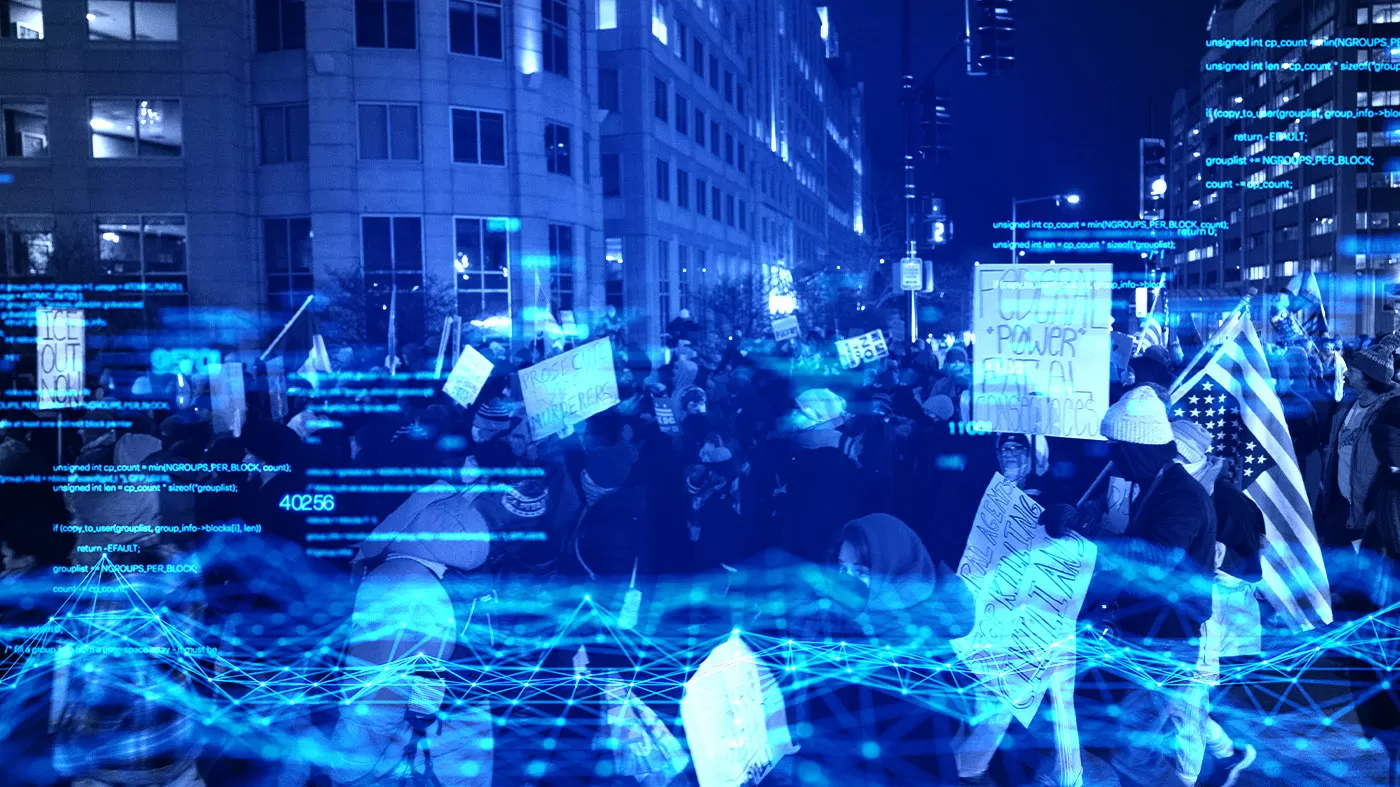
The deployment of these technologies has also been accompanied by a crackdown on protests against immigration raids. In recent months, we have seen an increase in the use of surveillance tools, such as facial recognition technology and social media monitoring, to identify and track individuals participating in these protests. This has raised concerns about the suppression of free speech and the targeting of individuals exercising their right to peaceful assembly.
These actions by the Trump administration have sparked pushback from Democrats and civil liberties advocates, who fear that the use of these technologies may be an abuse of power. They argue that these tools should be used with caution and oversight to prevent any potential violations of civil liberties.
In response to these concerns, some lawmakers have introduced legislation to regulate the use of facial recognition technology and limit its use by law enforcement agencies. Others have called for more transparency and oversight in the use of these technologies to ensure that they are not being used to target specific groups or violate individuals’ rights.
It is important to acknowledge that the Trump administration’s efforts to secure the border and enforce immigration laws are legitimate concerns. However, the use of these technologies must be balanced with the protection of civil liberties and the prevention of potential abuses of power.
In conclusion, the deployment of a wide range of technologies by the Trump administration to support its sweeping deportation push and respond to protests has sparked pushback from Democrats and civil liberties advocates. While these tools may aid in addressing legitimate concerns, it is crucial that they are used with caution, transparency, and oversight to prevent any potential violations of civil liberties. As a nation, we must strive towards finding a balance between security and protecting our fundamental rights and freedoms.
