


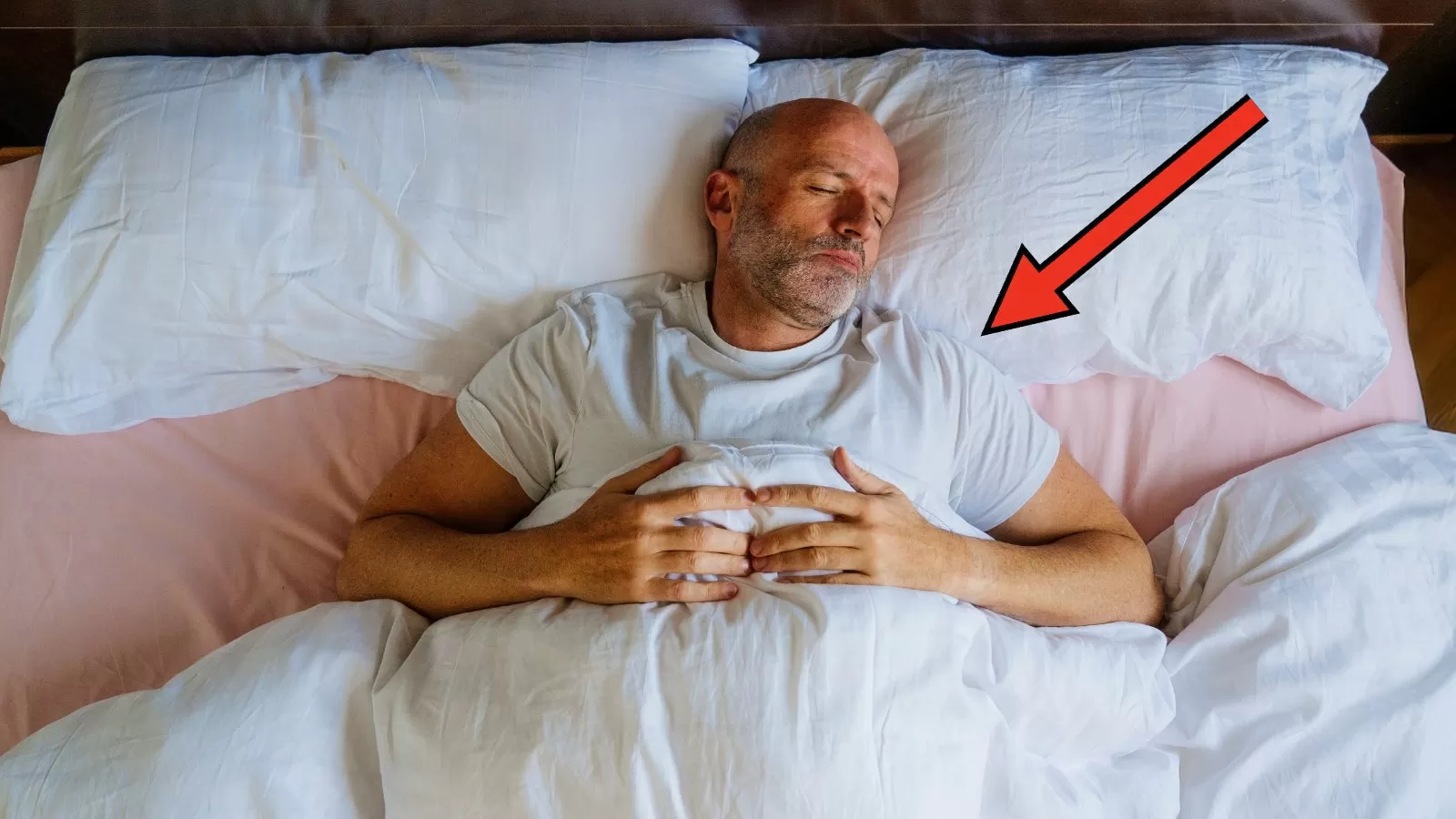
The Flamingo Sleep Position: What It Says About Your Body and How to Find Comfort
Do you often find yourself waking up in the middle of the night, only to realize that you are sleeping on your stomach or your side? Or do you consistently end up on your back with one foot tucked against the calf of your other leg? If so, you may be sleeping in what is known as the “flamingo position”. This unique sleep position has gained attention on social media, with some influencers claiming that it can indicate stress or pain in the hips. But what does this position really mean for your body? And is it something to be concerned about?
According to Laura Nolan, a psychotherapist specializing in somatic therapy, the flamingo position is most commonly seen in people with hypermobility. This condition causes joints to stretch beyond their normal range of motion, leading to joint instability, chronic pain, and other symptoms. For those with hypermobility, sleeping in unconventional positions, such as the flamingo position, may be a way to find comfort and support for their joints.
However, this position may also be a result of habit or experience. It could also be a response to chronic pain or a physical injury. While the flamingo position may be comfortable for some, it could potentially strain joints and lead to muscle stiffness for others. Our bodies are complex, and what works for one person may not work for another.
But before you start worrying about the potential harm of the flamingo position, it’s important to note that it is not necessarily a red flag. As Jade Wu, a board-certified sleep psychologist, explains, we naturally sleep in positions that are most comfortable for us. So, if you find yourself in the flamingo position, it may simply mean that you feel most at ease in that position.
In fact, sleeping on your side with one leg up, a variation of the flamingo position, may even have some benefits. According to Wu, this position may lower the risk of sleep apnea and other breathing problems. So, if you naturally sleep in this position, there’s no need to change it unless advised by a healthcare professional.
Instead of trying to force yourself into a specific sleep position, it’s important to have a relaxed and easeful approach to sleeping. As Nolan suggests, being too critical of your sleep habits or trying to achieve “perfect” sleep can actually worsen sleep quality. Unless advised by a doctor, there’s no need to stop sleeping in the flamingo position. Instead, get creative and find ways to support your body while you sleep.
For example, if you tend to sleep like a flamingo, consider placing a pillow under your knees for added support. If you sleep like a T. rex with clenched fists, try holding onto a stuffed animal or pillow to relax your hands. The key is to find what works for your body and make adjustments accordingly.
If you find yourself feeling stressed at bedtime, it may be helpful to unwind and relax after dinner. You can try practicing yoga, mindfulness, or deep breathing to calm your mind and body. Another technique recommended by Nolan is progressive muscle relaxation, where you tense and relax different muscle groups while paying attention to how each one feels. This can help you release tension and prepare your body for sleep.
It’s important to remember that stress is a natural part of life and not all stress is bad. We all have ways to cope with stress, and finding what works for you is key. So, whether you sleep like a flamingo, a T. rex, or in any other position, the most important thing is to listen to your body and find ways to support it while you sleep. Sweet dreams!
