


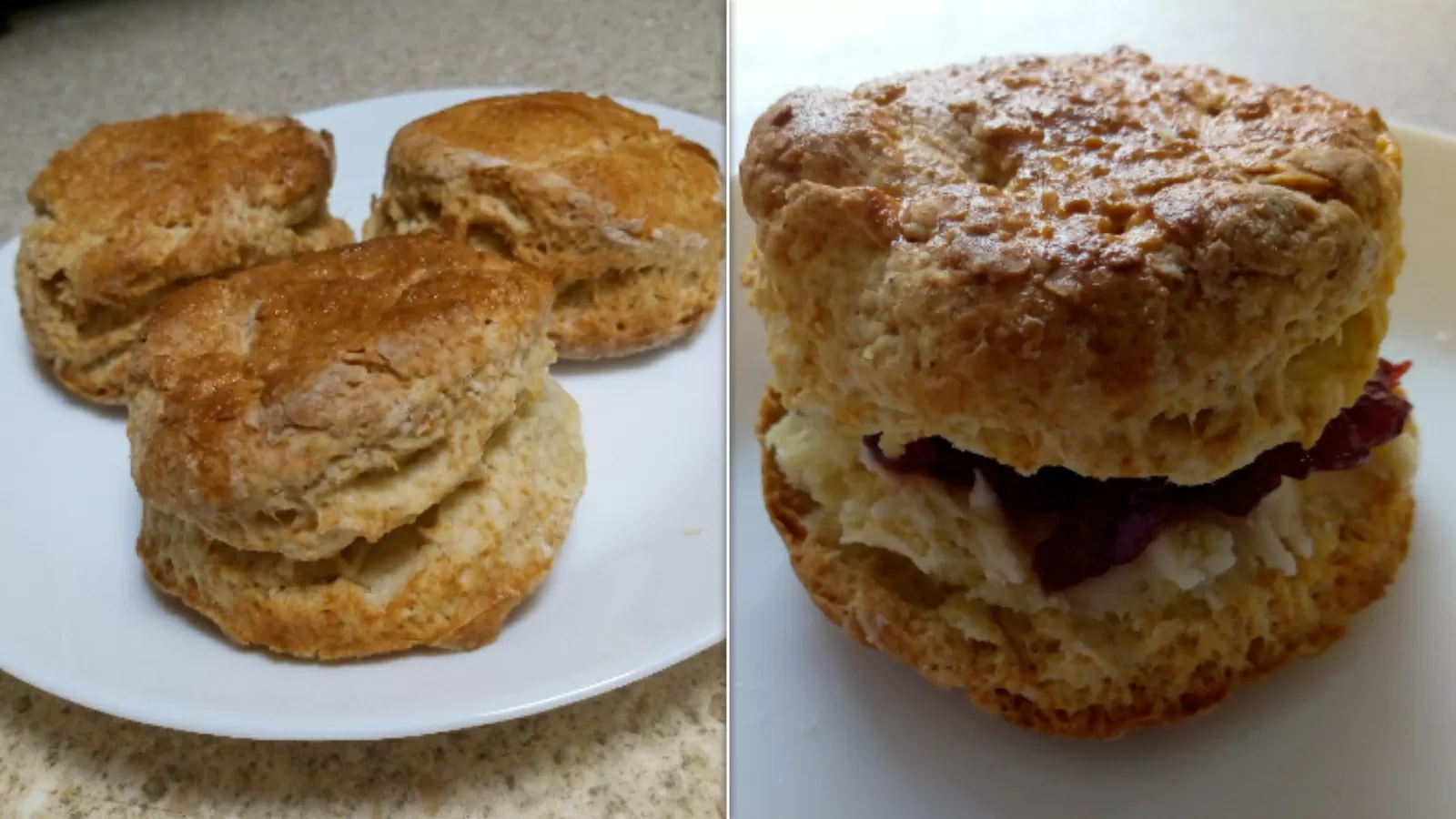
If you’re a fan of baking, chances are you’ve come across the challenge of making the perfect scone. A flaky, tall, and fluffy scone is a delight to have for breakfast or afternoon tea, especially when filled with cream and jam. However, getting the right texture and rise can be tricky. But fear not, because renowned chef Nigella Lawson has some useful tips to share that will guarantee you scones that are beyond delicious.
As someone who takes pride in my carrot cake, brownie, and rocky road recipes, I was initially hesitant to try out new techniques. But after finding success in freezing cookie dough and cooling potatoes before roasting, I was open to learning more. And so, when Nigella shared her secrets to making the perfect scone, I was all ears.
The first game-changing suggestion from Nigella is to use buttermilk instead of regular milk. As an Irish person, I grew up with buttermilk being used as a tenderizing agent in baking. And it turns out that buttermilk’s acidity, combined with a clever combination of fats, can lead to a steep, rapid rise. This is essential for achieving the fluffy and tender scones we all crave.
But that’s not all. Most bakers will tell you that keeping the butter cold while mixing is a tough task. As with puff pastry, the fat needs to remain solid to create those delicious flaky layers. Nigella’s solution is simple and elegant – she suggests using a mix of two parts butter to one part vegetable shortening. The shortening must stay solid at room temperature and is easier to work with than trying to keep butter cold. Nigella also recommends “chopping” the butter before adding it to the flour, reducing the time your fingers spend rubbing the butter in and preventing it from melting too quickly.
I was amazed at how much of a difference these changes made to my scones. Gone were the rubbery puck-like creations I had previously been disappointed with, and in their place were flaky, tall, and tender delights that I was proud to serve up.
But what if you don’t have buttermilk or vegetable shortening on hand? Not to worry, as Nigella has a solution for that too. If you can’t find buttermilk, you can make your own by mixing a little lemon juice with regular milk and letting it sit for up to 10 minutes. And while vegetable shortening is the best option, Nigella’s team says that lard is a suitable substitute.
However, be warned that Nigella’s team states that vegetable shortening gives the scones (and pastry) a flaky texture that butter cannot replicate. And after trying her adjustments, I have to say that they are right. As much as I love butter, the texture of my scones was significantly improved by using the suggested ingredients.
In conclusion, if you want to achieve the perfect scone, taking advice from Nigella Lawson is a no-brainer. By adding a combination of buttermilk and shortening, you’ll see a significant difference in the fluffiness and tenderness of your scones. And while it may seem like an extra step, it’s definitely worth it for the delicious end result.
So next time you’re craving tall, flaky, and fluffy scones, remember Nigella’s tips and tricks. Trust me; you won’t be disappointed. Happy baking!
