Exploring Gender Identity and the Struggle for Bathroom Access in America
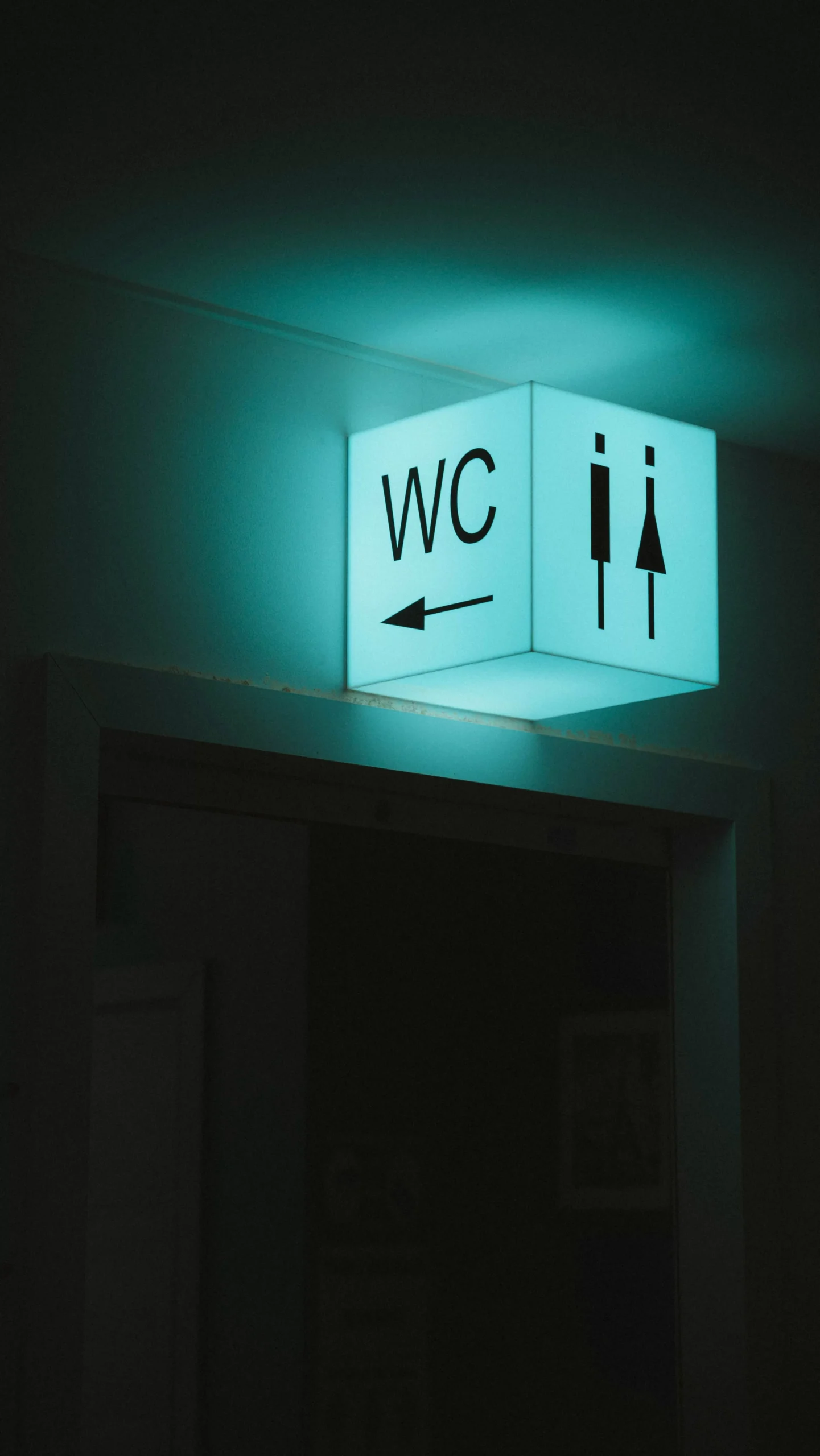
In July 2024, I found myself hiking just outside Yosemite National Park, feeling free and at peace with myself. I had recently cut my hair short and was holding onto my pink hat, a symbol of my femininity. As I sat alone in the women’s toilet, a man’s voice called out, questioning my gender. My heart skipped a beat as I realized that my appearance was causing confusion and discomfort for others.
This incident made me reflect on my journey as a nonbinary person in America, and the challenges I face in navigating public spaces, particularly when it comes to using the bathroom. From a young age, I have always used women’s toilets, but as I grew older and began to explore my gender identity, I found myself struggling with the societal expectations and limitations placed on me.
In the summer of 2024, my partner and I embarked on an adventure, subletting our apartment and camping in a van. Immersed in nature, I felt more connected to my true self and took the opportunity to explore a more masculine appearance. However, this also meant facing the reality of being perceived as a threat or out of place in public spaces, such as bathrooms.
The incident in the women’s toilet was not the first time I had been questioned or harassed for my appearance. On our road trip around California, I had encountered similar situations, with people assuming I was a man and questioning my presence in the women’s bathroom. This constant fear of being judged and harassed for simply using the bathroom is a daily struggle for many transgender and nonbinary individuals in America.
The lack of unisex bathrooms in public spaces only adds to this struggle. Laws restricting bathroom access, which are becoming more prevalent in the United States, attempt to define sex based on biological factors, rather than a person’s gender identity. This means that individuals like myself, who do not conform to traditional gender norms, are forced to choose between using the “wrong” bathroom or facing legal consequences.
For trans women, this can be even more dangerous, as they may face violence and harassment in both men’s and women’s bathrooms. The fear of being outed as trans or facing discrimination in public spaces can also lead to them avoiding using the bathroom altogether, which can have serious health consequences.
The incident in the women’s bathroom left me feeling conflicted and full of gender dysphoria. I felt guilty for making others uncomfortable and longed to return to my habit of looking more feminine. But at the same time, I felt sick from not feeling true to myself. This constant struggle between societal expectations and my own identity is a daily battle for many transgender and nonbinary individuals.
In November 2024, U.S. Rep. Nancy Mace introduced the Protecting Women’s Private Spaces Act, which would prohibit transgender individuals from using restrooms that align with their gender identity on federal property. This means that individuals like U.S. Rep. Sarah McBride, the first openly transgender member of Congress, would no longer be allowed to use the women’s bathroom at her workplace in the Capitol.
This proposed law is just one example of the ongoing battle for bathroom access in America. It not only restricts the rights of transgender individuals but also perpetuates harmful stereotypes and discrimination. The argument that these laws protect children from predators is unfounded, as assaulting children in restrooms is already illegal. These laws only serve to further marginalize and endanger an already vulnerable community.
As a nonbinary person, I have experienced firsthand the fear and discomfort of using public bathrooms. I have been questioned, harassed, and made to feel like a threat simply for existing. It is a constant struggle to navigate public spaces and justify my gender expression to others.
But despite the challenges, I refuse to hide who I am. Finding more authentic ways to express myself has been a weight lifted off my chest, and I can finally breathe deeply and feel grounded in my own body. I refuse to let societal expectations dictate how I should look or behave, and I will continue to fight for the rights and acceptance of all transgender and nonbinary individuals in America.
In September 2024, my partner and I returned to the same city park where I had been questioned in the women’s bathroom. This time, a plumber was working on the toilets, and the women’s bathroom was closed for cleaning. The plumber, assuming I was a man, gestured towards the men
