


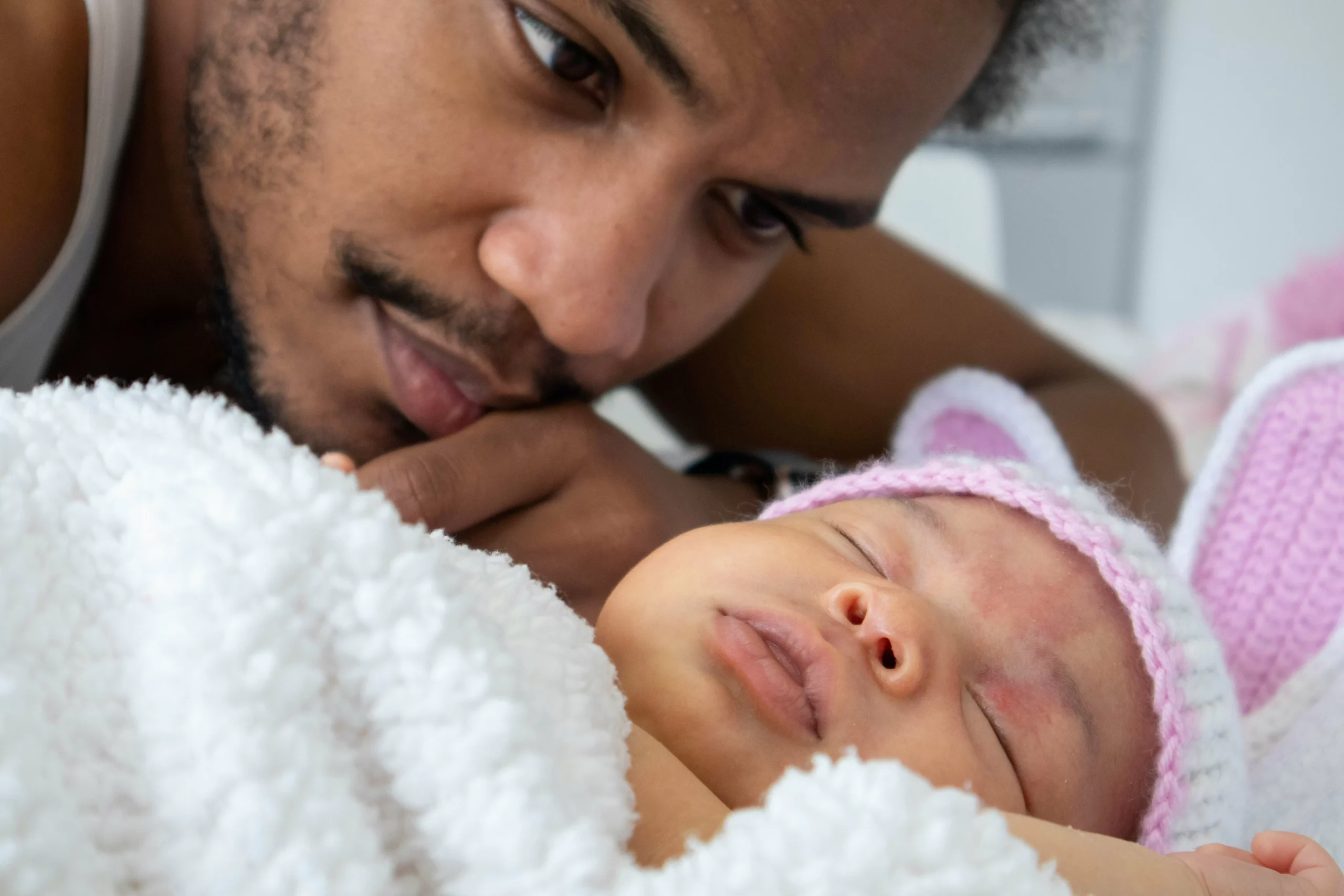
In a recent YouGov poll, it was revealed that a significant number of mothers and fathers believe that having children can negatively impact their careers. This can manifest in various ways, such as reduced working hours, missed opportunities, and even leaving the workforce altogether. As a result, many parents, especially fathers, are left with stagnating or lower pay. This issue has sparked a heated debate, with some even suggesting that stay-at-home parents should be financially compensated by their spouses.
The discussion began when a now-deleted post on Reddit’s r/AITAH (Am I The A**hole Here) asked whether stay-at-home parents deserve financial compensation from their working spouses. The post’s author, who is a father, shared his concerns about becoming a stay-at-home dad at the request of his pregnant wife, who earns significantly more than he does. He expressed unease about the potential financial consequences of this decision, especially in the event of a divorce. This led him to suggest that his wife offer him a share of her property as a safety net for the sacrifices he would have to make in his career.
To better understand the fairness of this demand, we spoke to divorce lawyer and CEO of OW Lawyers, Michelle O’Neil. With decades of experience in handling divorce cases, O’Neil has seen firsthand how decisions like this can have significant financial implications for the spouse who steps away from their career. She believes that while becoming a stay-at-home parent is a personal decision, it must be made with full awareness of the long-term financial risks, especially in the event of a divorce.
O’Neil also highlighted the lack of discussion around this major life change as a red flag in the relationship. She believes that when one spouse dictates such a significant decision without engaging in a collaborative discussion, it often signals deeper power imbalances in the relationship that can lead to bigger issues. Decisions about career sacrifices, parenting roles, and financial security should be mutual, not unilateral.
The divorce lawyer also shed light on the financial risks that come with being a stay-at-home parent. These include a loss of earning potential, a smaller pension, a lack of asset equality, and financial dependence. In light of these risks, O’Neil believes that the husband’s request for equity in the home is a smart negotiation move. While not everyone can offer a share of their home to mitigate these risks, O’Neil advises that in a marriage, both spouses’ contributions, whether financial or otherwise, must be valued and protected. If one spouse makes a career sacrifice, the financial risks should be acknowledged and mitigated before the decision is made, not after.
This issue raises important questions about the value we place on the work of stay-at-home parents. Often, their contributions to the household are overlooked and undervalued, leading to financial insecurity and dependence. As O’Neil rightly points out, marriage is a partnership, and both spouses’ contributions must be acknowledged and protected. This includes recognizing the sacrifices made by stay-at-home parents and ensuring that they are not left financially vulnerable in the event of a divorce.
In conclusion, the demands made by the husband in the Reddit post may seem extreme to some, but they highlight a larger issue that needs to be addressed. The sacrifices made by stay-at-home parents, whether mothers or fathers, should not be taken for granted. Instead, they should be acknowledged and compensated for, especially in the event of a divorce. As O’Neil advises, it is crucial to have open and collaborative discussions about major life decisions in a marriage to avoid any potential financial risks. After all, marriage is a partnership, and both partners should be treated as equals in all aspects, including finances.
