


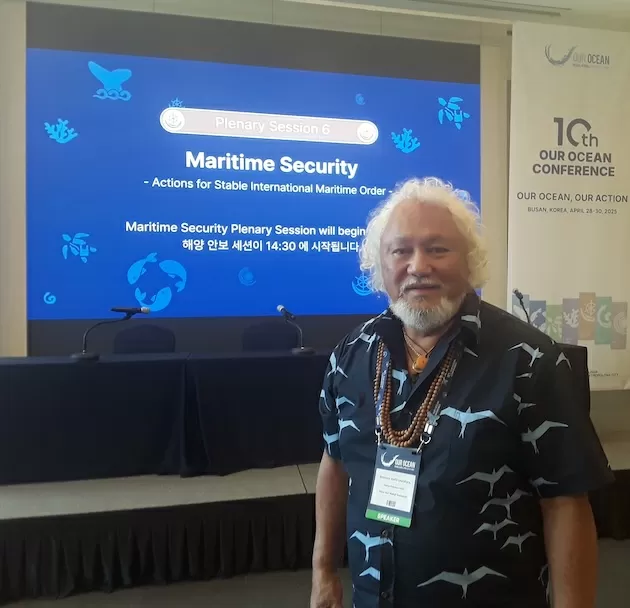
Indigenous peoples have a deep and intimate connection to the ocean that stretches back centuries. For these communities, the ocean is not just a source of livelihood, but a sacred and integral part of their culture and way of life. This close relationship has led them to develop sustainable practices and stewardship ethics that prioritize the balance of ecosystems and the well-being of their communities. As such, indigenous peoples play a vital role in ocean protection and conservation efforts.
The ocean covers over 70% of our planet, providing a home to a vast array of marine life and supporting numerous industries such as fishing, tourism, and transportation. However, this valuable resource is facing numerous threats, including overfishing, pollution, and climate change. These challenges not only affect the health of the ocean but also the livelihoods of millions of people who depend on it.
Indigenous peoples, who make up approximately 5% of the world’s population, have been living in harmony with the ocean for centuries. Their traditional knowledge and practices have enabled them to sustainably manage resources and maintain the health of marine ecosystems. For instance, in the Pacific Islands, traditional practices such as tabu areas (marine protected areas) and rotational fishing have been crucial in maintaining healthy fish populations and ensuring the sustainability of fisheries.
Moreover, indigenous peoples have a deep understanding of the interconnectedness of all living beings and the delicate balance of ecosystems. This knowledge is passed down through generations and forms the basis of their stewardship ethics. For them, the ocean is not just a source of food and income, but a source of life and spiritual connection. This sacred connection to the ocean drives their commitment to protecting it for future generations.
Recognizing and supporting indigenous leadership in ocean conservation is crucial for building a more sustainable and resilient future. Indigenous peoples are often the first to witness the impacts of human activities on the ocean and its inhabitants. Their traditional knowledge and practices can provide valuable insights and solutions to address these challenges.
One successful example of indigenous leadership in ocean conservation is the Pacific Voyagers movement. This initiative, led by indigenous communities from the Pacific Islands, aims to revive traditional sailing and navigation techniques to raise awareness about the importance of the ocean and promote sustainable practices. Through their voyages, they have inspired and empowered many other communities to take action to protect the ocean.
Furthermore, indigenous peoples are also leading efforts to address plastic pollution in the ocean. For instance, the Guna people of Panama have banned single-use plastics in their communities and have implemented a waste management system that includes recycling and composting. These initiatives not only reduce plastic pollution but also promote sustainable living and a deeper connection to the ocean.
It is also essential to acknowledge the role of indigenous communities in climate change adaptation and mitigation. As climate change continues to threaten the ocean and its inhabitants, indigenous peoples are at the forefront of developing and implementing solutions. For example, the Inuit community in Canada has been using traditional knowledge to adapt to changing sea ice conditions and protect their food security.
In addition to their contributions to ocean conservation, indigenous peoples also face numerous challenges and injustices. The loss of land and resources, lack of recognition and representation, and discrimination are just some of the issues they face. It is crucial to address these challenges and work towards a more inclusive and equitable approach to ocean conservation that respects the rights and knowledge of indigenous peoples.
In conclusion, indigenous peoples’ deep-rooted connection to the ocean and their traditional knowledge of sustainable resource management make them essential partners in ocean protection. Their centuries-old practices and stewardship ethics prioritize ecological balance and community well-being, making them natural leaders in conservation efforts. It is imperative to recognize and support their leadership to build a more sustainable and resilient future for the ocean and all its inhabitants. Together, we can learn from indigenous communities and work towards a healthier and more prosperous ocean for generations to come.
