


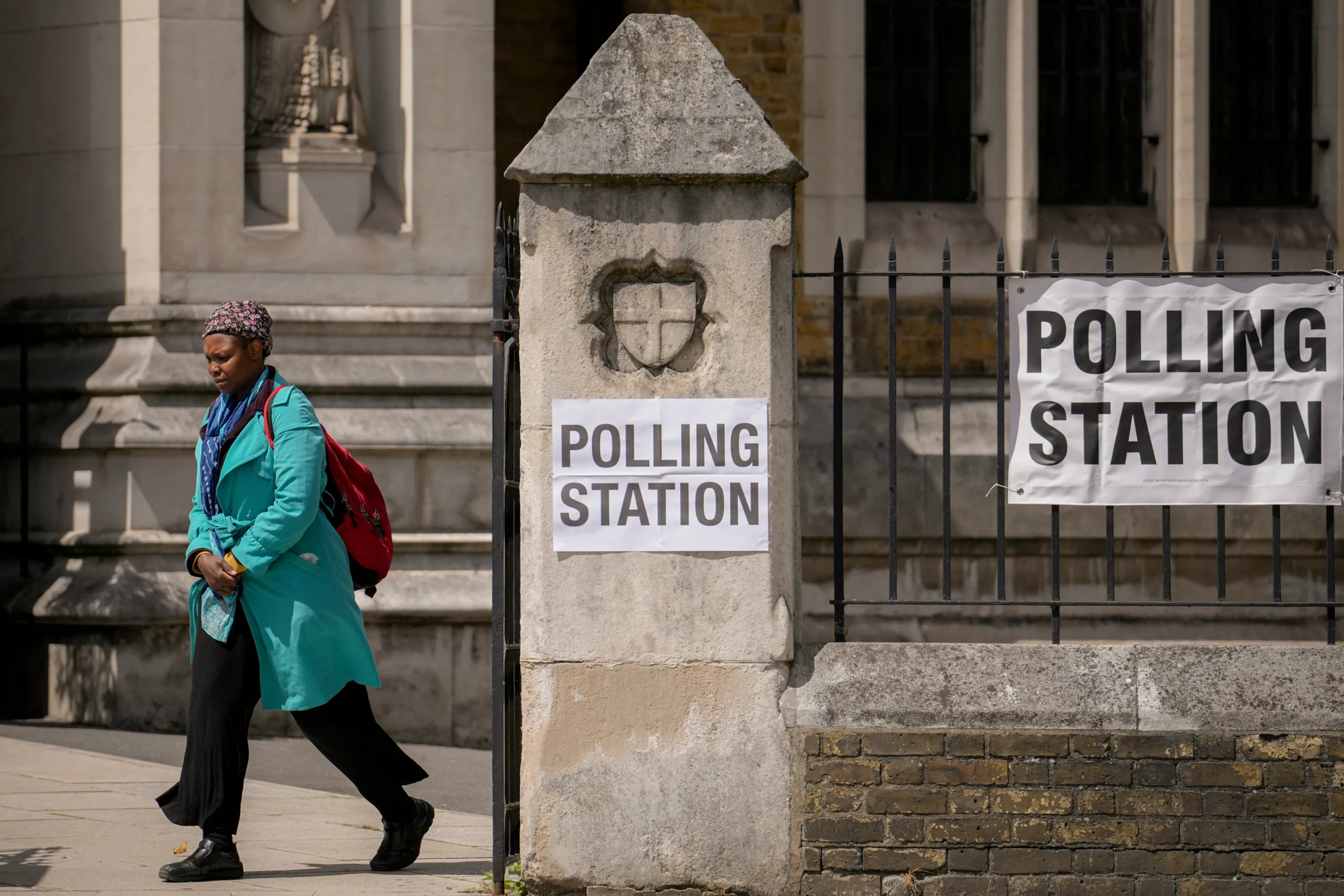
Voters across England are heading to the polls today to elect councillors, mayors, and in one constituency, a new MP. This is the first major test of public opinion since the general election last July, where Keir Starmer’s Labour Party won in a landslide victory.
A total of 1,641 council seats are up for grabs across 23 local authorities, while four regional mayors and two local mayors will also be elected. In addition, there will be a by-election in Runcorn and Helsby to fill the seat of the previous incumbent, Labour’s Mike Amesbury, who resigned after being convicted of punching a voter.
It is an important day for all four main parties – Labour, the Conservatives, Reform UK, and the Liberal Democrats – with a lot at stake for their leaders. This election is a crucial opportunity for them to gauge the public’s mood and see if their policies and actions are resonating with voters.
But before we dive into the potential outcomes of this election, let’s put it into context. The last time these same seats were up for election in 2021, British politics was a very different landscape. Boris Johnson, then the Prime Minister, was riding high on the successful rollout of the Covid vaccine and was rewarded by the voters. The Tories won nearly 1,000 of the seats up for election that year, giving them a strong majority.
However, a lot has changed since then. The pandemic has taken a toll on the country, and the government has faced criticism for its handling of the crisis. This means that the Conservatives have more to lose than any other party in this election.
Given the recent thrashing they received at the general election and the less-than-convincing start to Kemi Badenoch’s leadership, it is no surprise that they are expected to have a tough night. Tory peer and polling expert Lord Hayward has predicted that the party could lose around 500 council seats and control of all 15 local authorities they currently run.
The Conservatives are also facing difficulties in Runcorn and Helsby, where they are not expected to win. Their only hope for a win may be in the Cambridgeshire and Peterborough mayoral contest. Nevertheless, a poor performance in this election could put pressure on Badenoch to turn things around quickly.
The main beneficiary of the Conservative collapse is expected to be Nigel Farage’s Reform party. They are forecasted to gain hundreds of council seats and are hoping to take control of Doncaster Council and the town’s mayoralty from Labour. On a good night, they may also win the mayoralties in Greater Lincolnshire, Hull, and East Yorkshire.
But the key battle to watch is in Runcorn and Helsby, where Reform is looking to overturn Labour’s majority of nearly 15,000. If they succeed, expect to see Farage making his way to the constituency tomorrow morning. However, if they fall short, it could be a sign that the party is struggling to convert their recent surge in the polls into votes at the ballot box.
A strong performance for Reform, especially in the so-called “Red Wall” areas like Doncaster and Durham, would mean a bad night for Labour and Keir Starmer. Although Labour may gain a small number of council seats, this is mainly due to the fact that they only currently hold around 300 seats, making it difficult for them to fall any further. But if they do suffer losses, it could cause concern in 10 Downing Street.
And if Reform manages to defeat Labour in Runcorn and Helsby, it would be a significant blow for the party and could potentially lead to changes in their leadership.
Labour chair Ellie Reeves appeared to concede defeat earlier this week when she accused the Conservatives of “gifting” the seat to Reform by not campaigning. However, this could also be seen as a strategic move to lower expectations and make any potential victory in this safe Labour seat look like a major achievement. The results in Runcorn and Helsby will be announced around 3am on Friday.
The Liberal Democrats, on the other hand, are optimistic about their chances in this election. They hope to take seats from both the Conservatives and Labour, positioning themselves as the party of choice for centrist voters who want to protest against the two main parties but cannot support Farage.
Party leader Ed Davey stated, “People are deeply disappointed with Keir Starmer’s
