


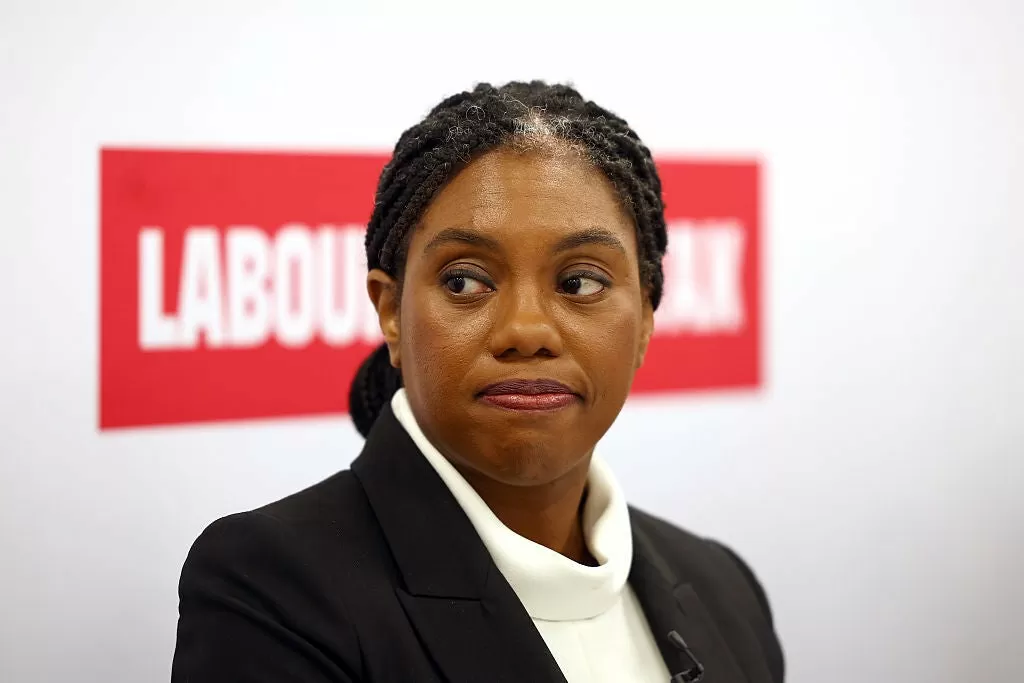
Kemi Badenoch, the UK’s Minister for Equalities and Conservative MP, is currently facing intense pressure after one of her shadow cabinet members broke ranks to praise the US-UK trade deal. This unexpected turn of events has left Badenoch embarrassed and struggling to defend her stance on the deal.
The shadow trade secretary, Andrew Griffith, publicly expressed his support for the trade agreement, stating that it “will be welcomed by exporting businesses.” This statement came just minutes after Badenoch had publicly criticized the deal, claiming that the UK had been “shafted” by US President Donald Trump.
Under the terms of the deal, import tariffs on British steel and aluminium being sold to America will be reduced from 25% to zero. Additionally, tariffs on a maximum of 100,000 British cars being exported to the US will be cut from 27.5% to 10%. This is seen as a major win for the UK, as it will help to boost trade and create new opportunities for British businesses.
Furthermore, the deal also allows for farmers in both countries to sell beef into each other’s markets. However, the ban on hormone-treated beef coming into the UK will remain in place. This has been a contentious issue in the past, with many UK citizens concerned about the potential health risks associated with hormone-treated meat.
Despite these positive aspects of the deal, Badenoch has been quick to condemn it. In a post on social media, she referred to a US government graphic which showed that overall, the UK had cut tariffs on American imports while America had tripled those on British goods. Badenoch stated, “When Labour negotiates, Britain loses. We cut our tariffs – America tripled theirs. Keir Starmer called this ‘historic.’ It’s not historic, we’ve just been shafted!”
However, Badenoch’s own shadow trade secretary, Andrew Griffith, had a different view. He praised the reduction in tariffs, stating that it would be welcomed by exporting businesses. He also highlighted the benefits of being able to strike free trade deals as a result of Brexit. Griffith stated, “Conservatives have been consistent in their support for trade agreements and the reduction of tariffs, and today is the continuation of a process which started under the first Trump presidency.”
This stark difference in opinions within the Conservative party has left Badenoch in a difficult position. Labour, the main opposition party, has been quick to capitalize on this disarray within the Tories. They posted on social media, “Your own shadow trade secretary has rightly welcomed the deal, Kemi Badenoch. Keir Starmer’s Labour government has negotiated and secured a historic UK-US trade deal. Kemi Badenoch can’t even negotiate with her own shadow cabinet.”
This public disagreement within the Conservative party has not only caused embarrassment for Badenoch, but it has also raised questions about her ability to effectively negotiate on behalf of the UK. With the UK facing uncertain times post-Brexit, it is crucial for the government to have a strong and united front when it comes to trade deals.
Despite the pressure and criticism, Badenoch remains firm in her stance. She continues to defend her position, stating that the deal is not in the best interest of the UK. However, her own party members seem to disagree, and this has caused a rift within the Conservative party.
In contrast, Labour leader Keir Starmer has hailed the trade deal as “historic” and a major win for the UK. He believes that it will save thousands of British jobs and help to boost the economy. This stark difference in opinions between the two main political parties only adds to the pressure on Badenoch and her ability to effectively represent the UK’s interests.
In conclusion, Kemi Badenoch is currently facing intense pressure after one of her shadow cabinet members publicly praised the US-UK trade deal. This has caused a rift within the Conservative party and raised questions about Badenoch’s ability to negotiate on behalf of the UK. While she continues to defend her stance, her own party members and the opposition party have a different view. Only time will tell how this disagreement will affect the UK’s future trade deals and the country’s relationship with the US.
