


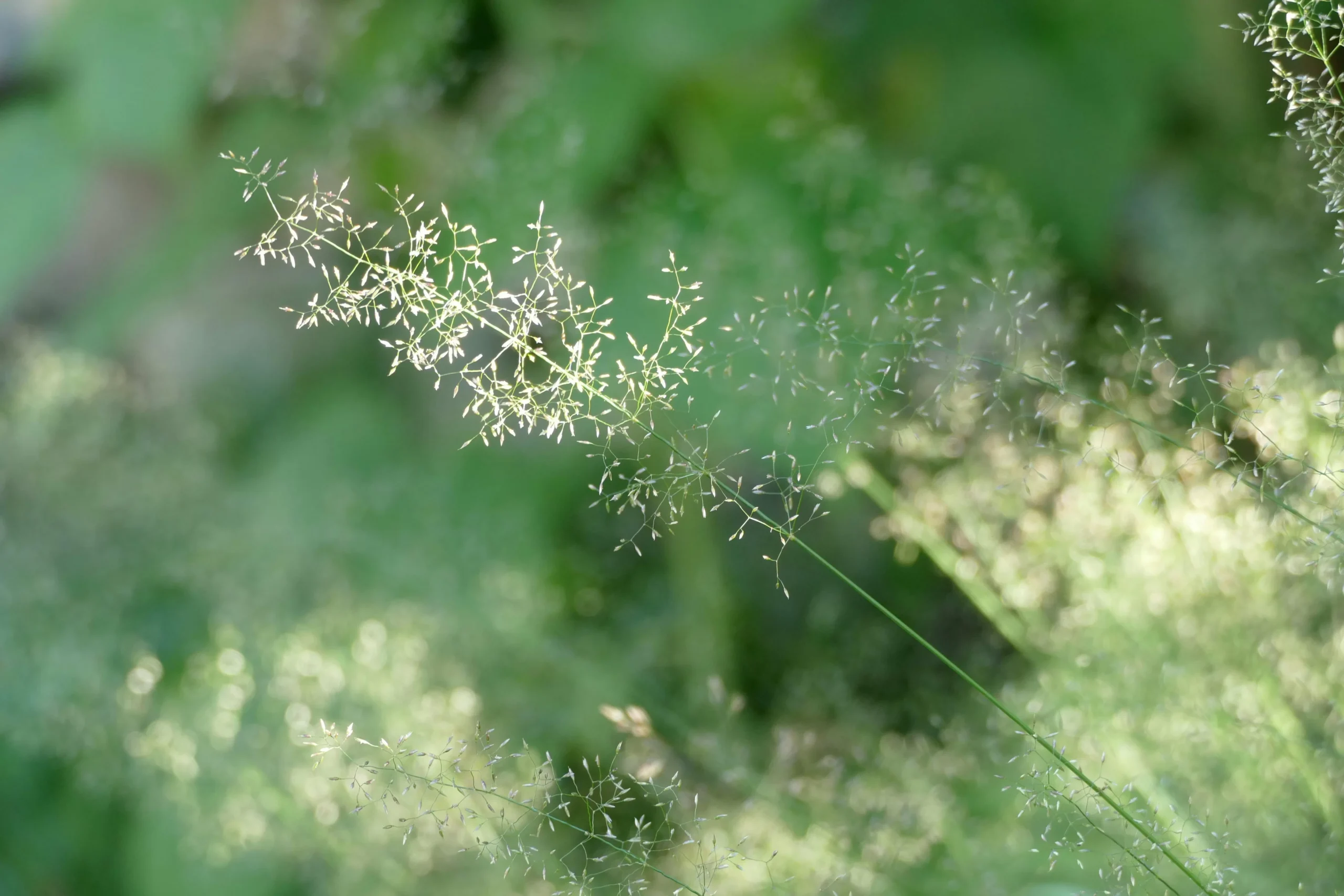
Pollen-rich grass: The growing problem of pollen allergies and what we can do about it
As I was strolling through Hyde Park, enjoying the warm spring weather, I suddenly found myself sneezing uncontrollably. My eyes were watering, my nose was running, and I couldn’t stop itching. It couldn’t be hay fever, I thought to myself. I’ve never had it before. But the symptoms were all too familiar, and I couldn’t ignore the fact that they seemed to be getting worse with each passing year. Is it just me, or is pollen becoming more plentiful? As it turns out, experts have found that it’s not just in my head – pollen allergies are indeed on the rise, and it’s not just because of our genetics.
One of the main reasons behind the increasing prevalence of pollen allergies is climate change. With the UK experiencing the driest spring on record and becoming hotter on average, it’s no surprise that pollen production has also increased. A 2020 American study found that pollen levels have risen by 21% year-on-year, and the pollen season has extended by 20 days between 1990 and 2008. This is a direct result of the changing climate and its impact on our environment.
But it’s not just global warming that is to blame. Our local wildlife also plays a significant role in aggravating pollen allergies. For example, London plane trees, which are commonly found in parks and gardens all over the country, are major culprits for early summer allergies. They produce large amounts of pollen, which can trigger severe reactions in those who are sensitive to it. Other trees and grasses such as oak, birch, and ash can also contribute to the problem. And to make matters worse, according to Dr Beverley Adams-Groom, senior palynologist and pollen forecaster, this year, in particular, is a high year for these allergenic trees in the UK.
So, what can we do to combat the effects of hay fever and enjoy the outdoors without being crippled by allergies? If possible, it may be worthwhile to head to the beach, where there is significantly less pollen present. But for those of us who cannot escape the pollen-filled air, there are a few things we can do to minimize our exposure and keep our symptoms under control.
Firstly, it’s essential to keep our windows closed at home and in the car to prevent pollen from entering. Using petroleum-based jelly around our nostrils can also help to trap pollen and prevent it from causing irritation. When we’re out and about, wearing sunglasses can protect our eyes from pollen, and regularly vacuuming our homes can remove any lingering pollen particles. It’s also recommended to shower before bed to wash off any pollen that may have attached to our skin and hair throughout the day.
If these measures don’t provide enough relief, it’s important to seek medical advice. Speaking to a pharmacist and taking their recommended medication can help alleviate symptoms. However, if the symptoms persist or become severe, it’s important to consult a GP for further treatment options.
In conclusion, pollen allergies are a growing problem, and the evidence suggests that they will continue to worsen as the years go by. But this doesn’t mean we have to suffer in silence. By understanding the factors contributing to the increase in pollen levels and taking preventative measures, we can manage our allergies and still enjoy the beauty of nature. So, don’t let hay fever keep you cooped up indoors – with a little preparation and the right medication, you can still bask in the warmth of spring without worrying about pollen ruining your day.
