


The Treaty on the Non-Proliferation of Nuclear Weapons (NPT) has been a cornerstone of international efforts to prevent the spread of nuclear weapons and promote global peace and security since its inception in 1970. However, as we approach the Third Session of the Preparatory Committee for the 2026 Review Conference, concerns have been raised about the future of this crucial multilateral agreement. It is imperative that we do not allow the NPT to collapse under the weight of geopolitical cynicism.
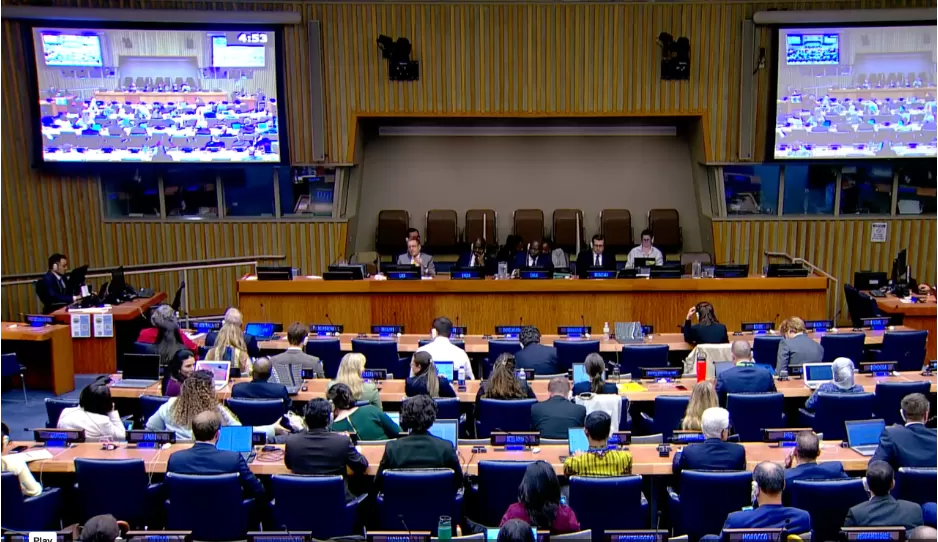
The preparatory committee, which recently convened at the United Nations, heard from representatives of member states about the current state of the NPT and the challenges it faces. It is clear that the NPT is at a crossroads and decisive action must be taken to ensure its continued effectiveness.
The NPT is a unique treaty in that it has three main pillars: non-proliferation, disarmament, and peaceful use of nuclear energy. These pillars are interconnected and reinforce each other, making the NPT a comprehensive and holistic approach to nuclear issues. However, in recent years, some states have been accused of undermining the treaty by pursuing their own narrow interests and disregarding their obligations under the NPT.
Geopolitical cynicism, driven by realpolitik and the pursuit of national interests, has become a major threat to the NPT. Some states have chosen to view the treaty as a tool to further their own strategic goals, rather than a collective effort towards global nuclear disarmament. This has led to a dangerous increase in nuclear weapons proliferation, with some states choosing to develop or acquire nuclear weapons, while others are actively seeking to do so.
Furthermore, the lack of progress on nuclear disarmament has caused frustration among non-nuclear weapon states, who feel that the nuclear-armed states are not fulfilling their commitments under the NPT. This has led to a growing sense of mistrust and resentment towards the nuclear powers, which could potentially lead to a breakdown of the treaty.
It is crucial that all member states reaffirm their commitment to the NPT and work towards its full implementation. This means taking concrete steps towards nuclear disarmament and non-proliferation, as well as promoting the peaceful use of nuclear energy.
The NPT review conference in 2026 will be a crucial opportunity to assess the progress made and address the challenges facing the treaty. However, we cannot afford to wait until then to take action. The preparatory committee must use this opportunity to lay the groundwork for a successful review conference and ensure that all member states are on board with the goals and objectives of the NPT.
This requires a collective effort from all states, regardless of their nuclear status or political differences. The international community must put aside their geopolitical interests and work towards a common goal – a world free of nuclear weapons.
One way to do this is by promoting dialogue and cooperation among member states. This includes engaging in meaningful discussions on disarmament and non-proliferation, as well as addressing the security concerns of all states. It is also important to involve civil society and other stakeholders in these discussions, as they can provide valuable insights and perspectives on nuclear issues.
Another important step is to hold states accountable for their actions and ensure that they are fulfilling their obligations under the NPT. This means using the existing mechanisms and tools, such as the International Atomic Energy Agency, to monitor and verify compliance with the treaty.
In addition, all member states must take concrete steps towards reducing their nuclear arsenals and promoting disarmament. This includes ratifying and fully implementing the Comprehensive Nuclear-Test-Ban Treaty, as well as engaging in negotiations for a Fissile Material Cut-off Treaty.
The NPT is facing some serious challenges, but it is not too late to address them and strengthen the treaty. We must not allow the NPT to collapse under the weight of geopolitical cynicism. Instead, we must work together towards a world where nuclear weapons are no longer viewed as instruments of power, but as relics of a bygone era.
In conclusion, as we prepare for the 2026 NPT review conference, it is crucial that all member states renew their commitment to the treaty and take concrete steps towards its full implementation. This includes addressing the challenges posed by geopolitical cynicism and promoting disarmament, non-proliferation, and the peaceful use of nuclear energy. Let us not forget the fundamental purpose of the NPT – to create a safer, more peaceful world for all.
