


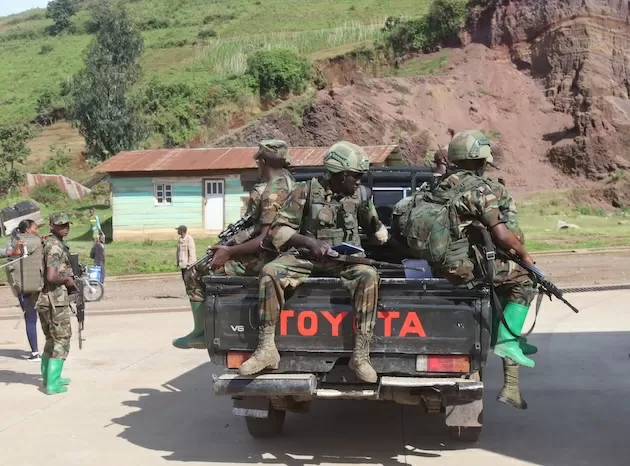
The Great Lakes region, the Horn of Africa, Sudan, and South Sudan are facing a severe political crisis that has resulted in massive displacements and civilian suffering. Political instability and conflicts have plagued these regions for decades, causing instability and insecurity for the civilian population. As a result, many innocent people have been forced to flee their homes in search of safety and refuge. This crisis has not only affected these countries but has also had a ripple effect on the entire region, leaving the civilian population with few places to find refuge.
The Great Lakes region, which includes countries such as the Democratic Republic of Congo, Rwanda, and Burundi, has been plagued by political instability and conflicts for years. These conflicts have been fueled by ethnic tensions, competition for resources, and power struggles. As a result, millions of people have been displaced, and countless lives have been lost. The civilian population has been caught in the crossfire, facing unimaginable suffering and hardship.
Similarly, the Horn of Africa, which includes countries such as Somalia, Ethiopia, and Eritrea, has also been marred by political instability and conflicts. The ongoing civil war in Somalia has resulted in the displacement of over 2 million people, with many seeking refuge in neighboring countries. In Ethiopia, ethnic tensions have led to violence and displacement, with the recent conflict in the Tigray region causing further instability and suffering for the civilian population.
Sudan and South Sudan have also been embroiled in political turmoil and conflicts for many years. The long-standing civil war in Sudan has resulted in the displacement of millions of people, with many seeking refuge in neighboring countries. Similarly, the ongoing conflict in South Sudan has forced millions to flee their homes, making it one of the largest displacement crises in the world.
The consequences of these conflicts and political instability have been devastating for the civilian population. Innocent men, women, and children have been forced to leave their homes, livelihoods, and communities behind in search of safety. They face numerous challenges, including food insecurity, lack of access to healthcare, and limited opportunities for education and employment. The constant threat of violence and instability has also taken a toll on their mental and emotional well-being.
Moreover, the crisis in these regions has not only affected the civilian population but has also had a significant impact on the neighboring countries. The influx of refugees has put a strain on their resources and infrastructure, making it challenging to provide aid and support to those in need. This has created a regional crisis, with the whole region struggling to cope with the massive displacement and suffering of the civilian population.
In light of this crisis, it is crucial for the international community to come together and take action. The humanitarian needs of the affected populations must be addressed, and efforts must be made to bring an end to the conflicts and political instability in these regions. The United Nations and other humanitarian organizations are working tirelessly to provide aid and support to those in need, but more needs to be done.
It is also essential for the governments of these countries to prioritize the well-being and safety of their citizens. They must work towards finding lasting solutions to the conflicts and addressing the root causes of political instability. This will not only bring much-needed stability to the region but will also create a conducive environment for economic growth and development.
In conclusion, the political instability and conflicts in the Great Lakes, the Horn of Africa, Sudan, and South Sudan have had a devastating impact on the civilian population. Millions of people have been displaced, and countless lives have been lost, leaving the region in crisis. It is time for the international community to come together and take action to address this crisis and provide much-needed support to those affected. Only then can we hope to see a brighter future for the people of these regions.
