


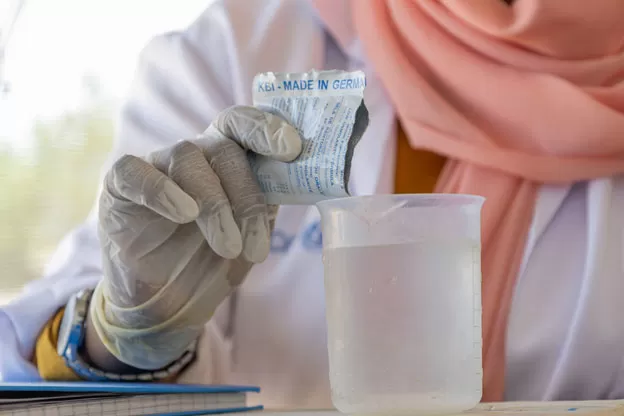
A particularly virulent outbreak of cholera has been detected in the Khartoum State of Sudan, and the United Nations has issued a warning that this is a direct result of the ongoing Sudanese Civil War. The resurgence of cholera is not just a public health emergency, but also a clear indication of deep-rooted inequality in the region. Cholera thrives in areas where poverty is rampant, and it is a stark reminder of the dire consequences of persistent inequality.
The United Nations has been closely monitoring the situation in Sudan, and the recent outbreak of cholera has raised serious concerns. According to the World Health Organization (WHO), there have been over 23,000 reported cases of cholera in Sudan since the beginning of the year, with over 700 deaths. This is a significant increase compared to the same period last year, and the numbers are expected to rise if immediate action is not taken.
Cholera is a highly infectious disease caused by the bacterium Vibrio cholerae, which is transmitted through contaminated food and water. It causes severe diarrhea and dehydration, and if left untreated, can lead to death within hours. The disease is closely linked to poverty and lack of access to clean water and sanitation facilities. In Sudan, the ongoing civil war has exacerbated these issues, making it a breeding ground for cholera.
The United Nations has called for urgent action to address the root causes of the cholera outbreak in Sudan. The civil war has left millions of people displaced and living in overcrowded and unsanitary conditions, making them vulnerable to diseases like cholera. The lack of basic infrastructure and services, such as clean water and sanitation, has only worsened the situation.
The United Nations and its partners have been working tirelessly to provide aid and support to those affected by the cholera outbreak. The WHO has deployed medical teams to the affected areas to provide treatment and prevent the spread of the disease. The United Nations Children’s Fund (UNICEF) has also been providing clean water, sanitation facilities, and hygiene kits to prevent the spread of cholera.
However, these efforts alone are not enough to combat the cholera outbreak in Sudan. The United Nations is calling for a comprehensive approach that addresses the underlying causes of the disease. This includes investing in basic infrastructure and services, such as clean water and sanitation, and promoting good hygiene practices. It also involves addressing the root causes of the civil war and working towards a peaceful resolution.
The United Nations is also urging the international community to step up its support for Sudan. The country is facing a humanitarian crisis, and the recent cholera outbreak is just one of the many challenges it is facing. The United Nations is calling for increased funding and resources to provide aid and support to those affected by the cholera outbreak and to address the underlying issues that have led to this crisis.
The United Nations is committed to working with the Sudanese government and its partners to address the cholera outbreak and promote long-term solutions to the underlying issues. The organization believes that by addressing the root causes of the disease, we can prevent future outbreaks and build a more equitable and resilient society.
In conclusion, the recent cholera outbreak in Sudan is a clear indication of the deep-rooted inequality in the region. The United Nations is calling for urgent action to address the underlying causes of the disease and provide aid and support to those affected. With a comprehensive approach and increased support from the international community, we can overcome this crisis and build a better future for the people of Sudan. Let us all join hands in this effort and make a positive impact on the lives of those affected by the cholera outbreak in Sudan.
